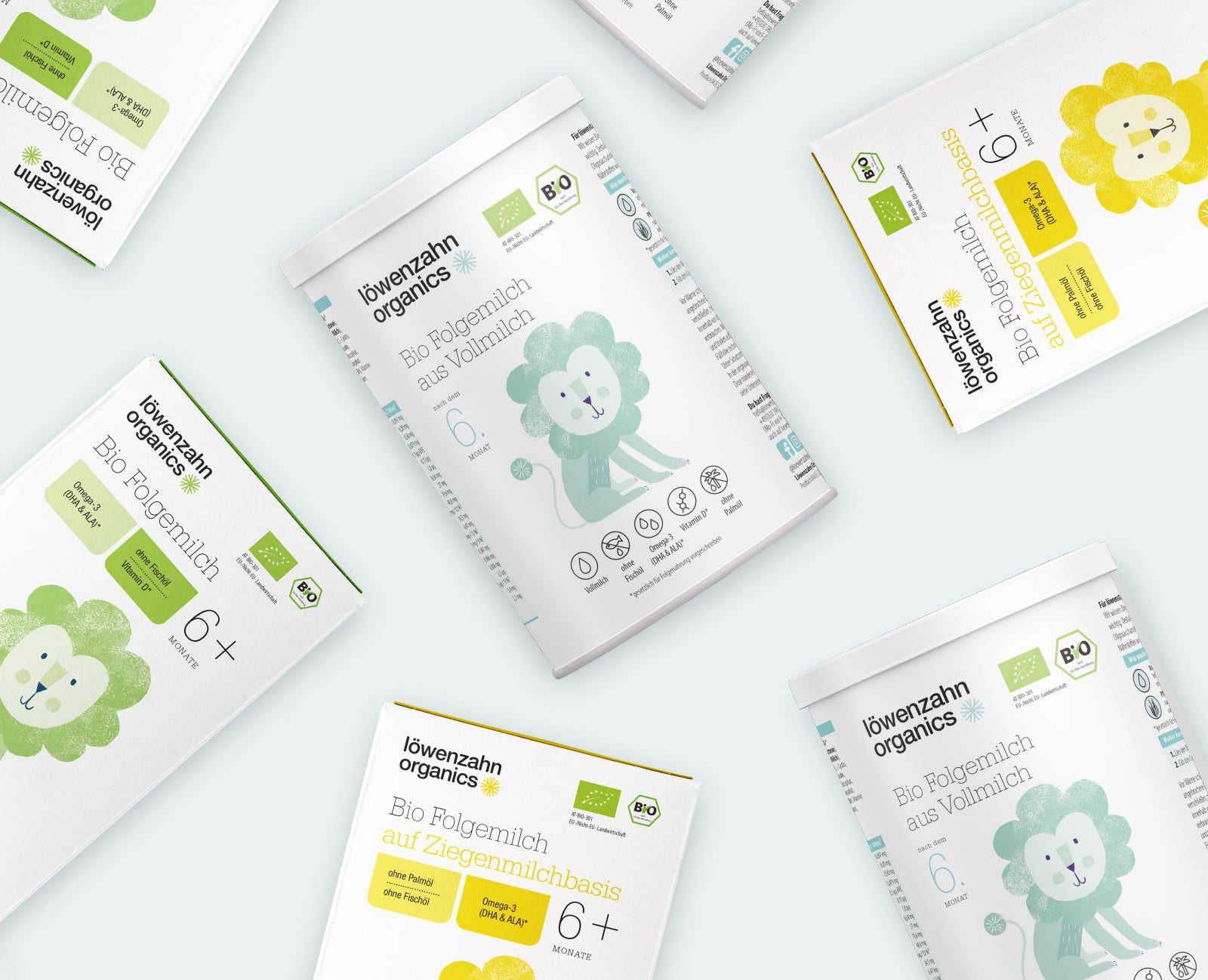
Organic Baby Formula Original
 Follow-On Milk 6+
 Follow-on milk
 Organic Infant Formula from Whole Milk
 Follow-on Milk
 Organic Infant Formula from Goat's Milk
 Follow-On Milk
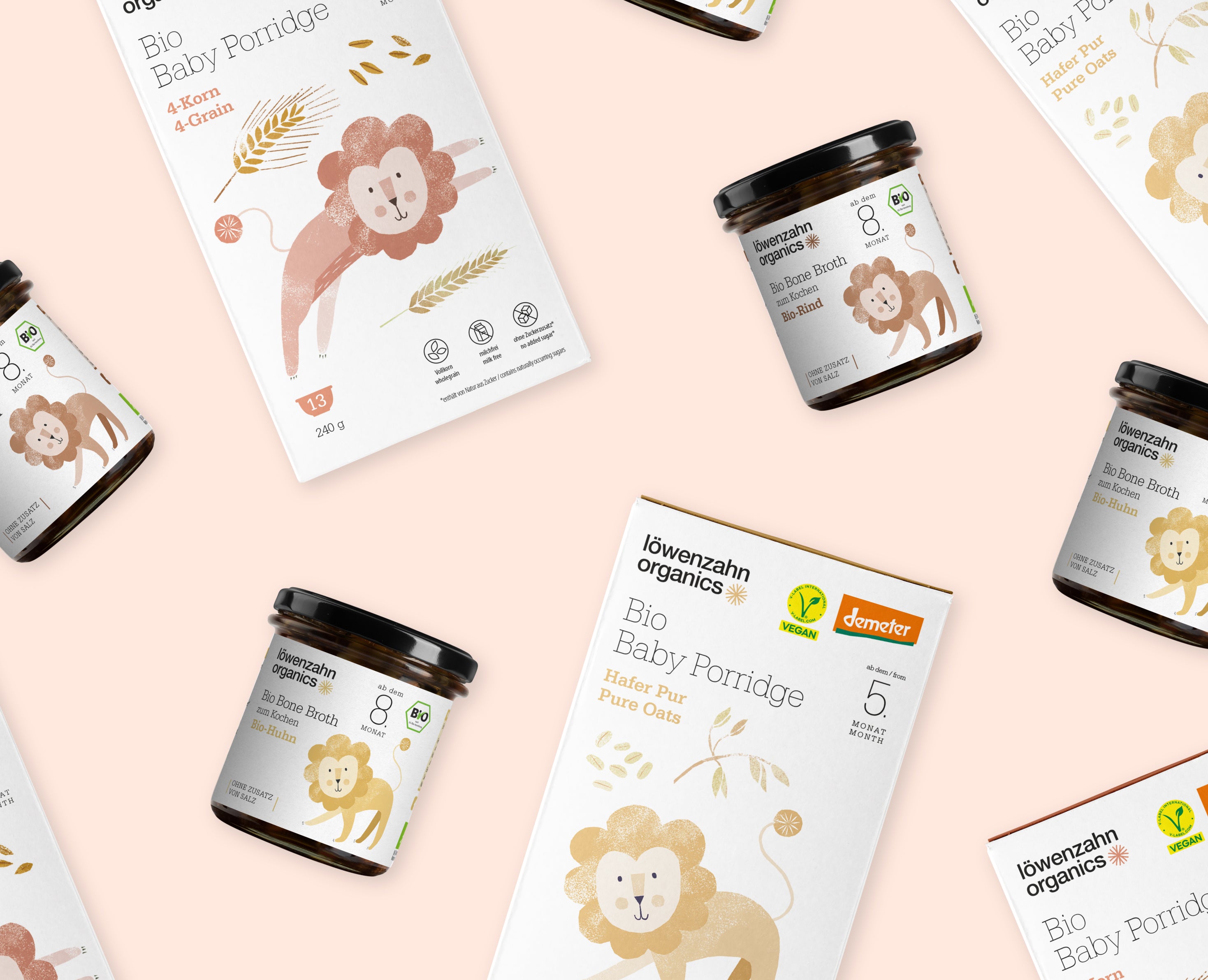
 Organic Bone Broth
 Beef
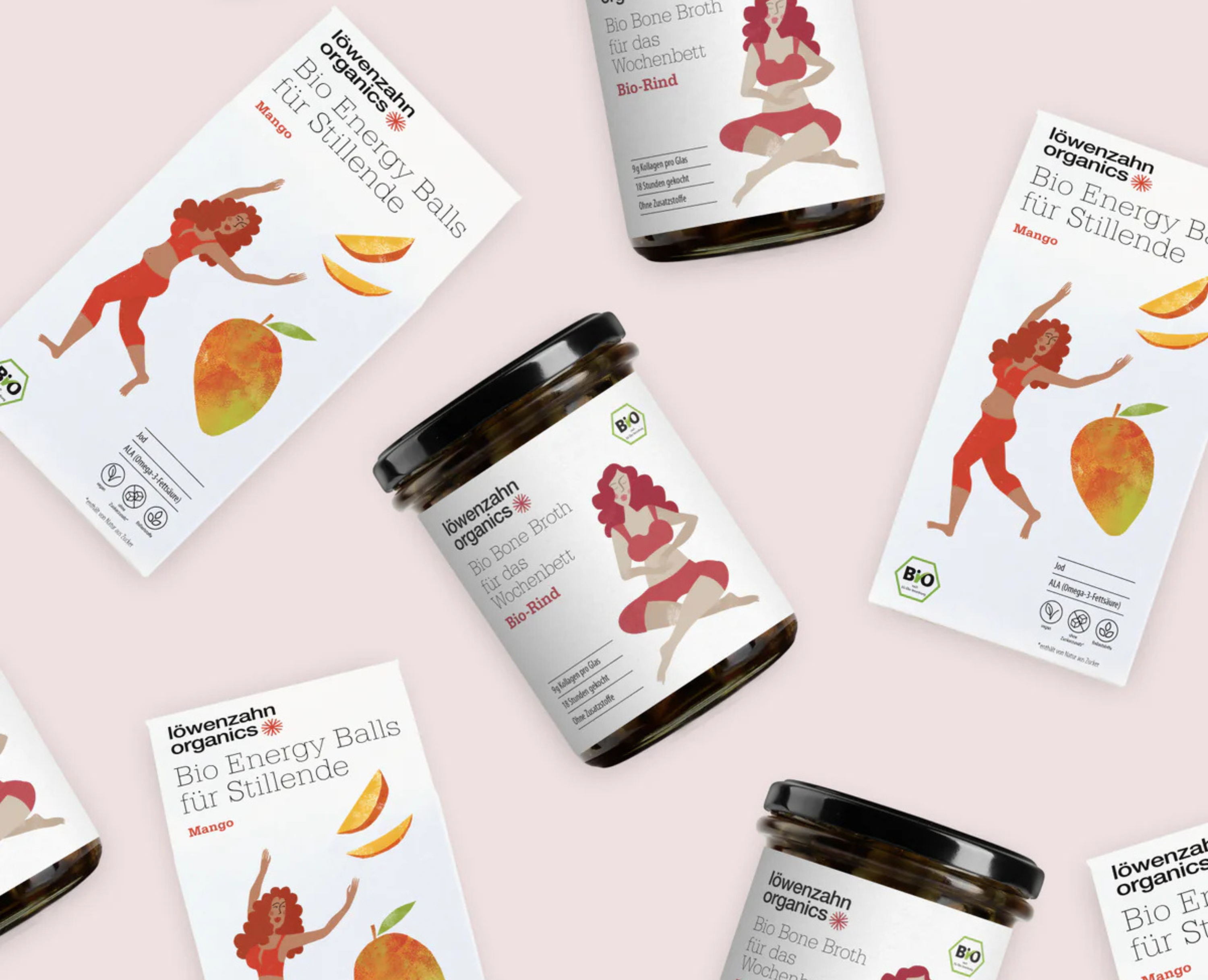
 For Moms
 Organic Energy Balls
 for nursing mothers


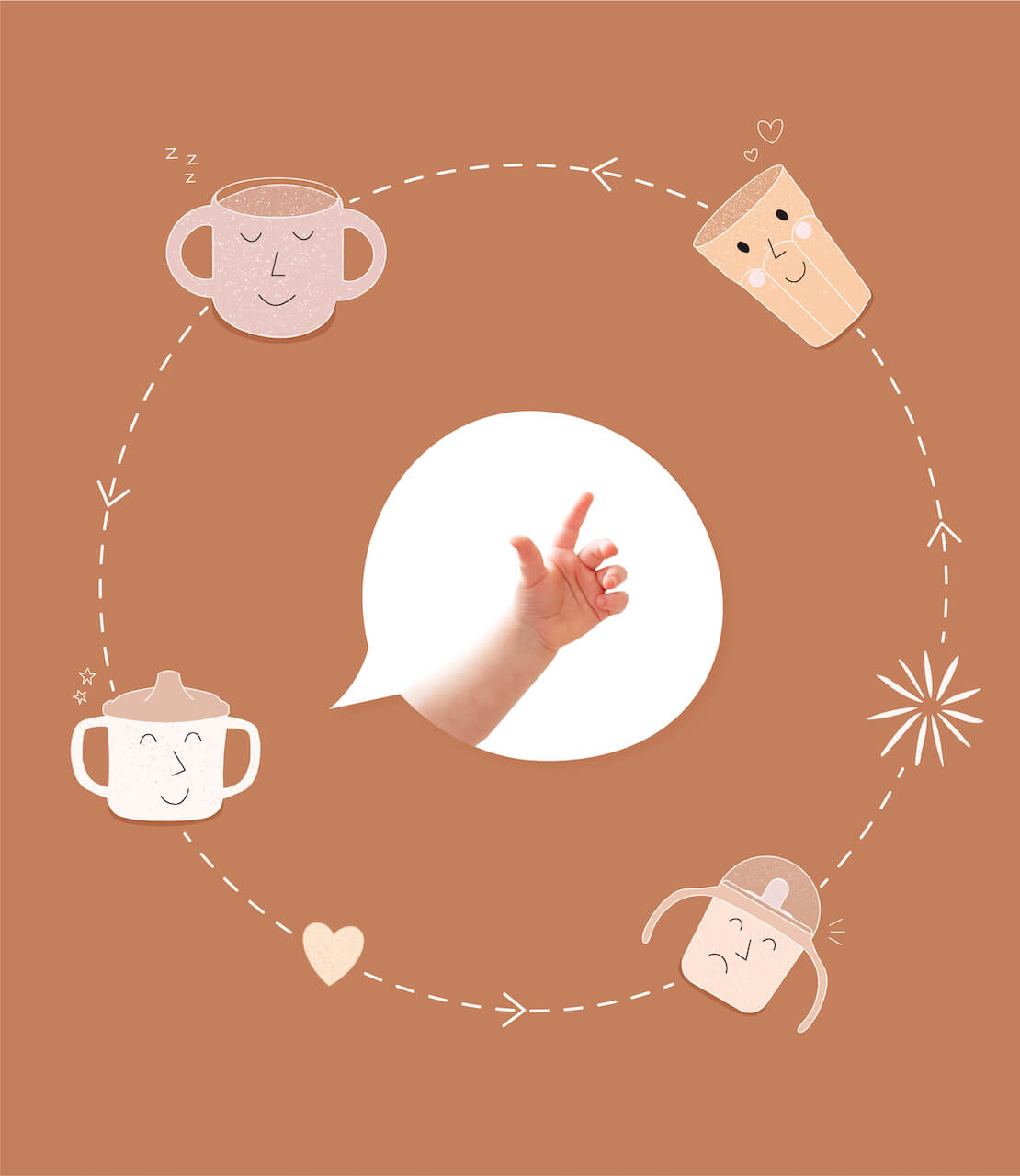
How babies learn to drink is important
Learning to drink – When does a baby start drinking from a cup or a glass? Can a cup also be a solution if a baby refuses the bottle, and what does a cup have to do with the swallowing pattern and the development of the jaw, teeth, and speech? To get answers to this and similar questions, we contacted an expert: Patricia Pomnitz, speech therapist and mother of a four-month-old daughter.
|
Note: During the first few months, babies receive sufficient fluids through breast milk or formula. Even when introducing solid foods for the first time , an additional drink such as water or unsweetened tea is not necessary. It is only advisable to offer a drink with meals once you switch to three meals of solid food a day, in order to meet the recommended fluid intake. For babies between 10 and 12 months, this should be no more than an additional 200 milliliters of fluid per day. Remember: the more often the child participates in family meals and the less often they receive meals in the form of breastfeeding or baby bottles, the more they will also need to drink. |
Source: Höfler and Psrengart (2018). Practical Dietetics: Fundamentals, Goals and Implementation of Nutritional Therapy. 2nd Edition.
Dear Patrica, we are delighted that you have found the time to answer a few of our questions on the topic of ‘Learning to drink and the development of the jaw, teeth and speech’. There are so many different cups with handles or a spout for learning to drink. We would like to discuss with you which cup is the right one and whether the choice of cup has an impact on babies’ development. We have come up with a few questions for you and will get straight to it.
At what age does a baby learn to drink from a cup?
A good time to start is when the family starts introducing solid foods. For example, moms and dads can offer water from a cup during mealtimes. But by around 12 months of age at the latest, it is time to start using a cup.
A timely transition to the correct swallowing pattern is important. Because the longer a toddler exhibits an immature sucking pattern, the greater the likelihood that swallowing will remain permanently flawed.
Continuing with the interview with Patricia ...
How does swallowing change in babies as they get older?
During the first year of life, a baby swallows by moving the tongue forward and backward. This is known as typical infant swallowing, or ‘infantile swallowing’.
Normally, this swallowing pattern is gradually changed as the baby stops breastfeeding, is offered a cup for drinking, and is given solid food.
From around 12 months of age, the baby then develops a mature swallowing pattern in which the tip of the tongue rests on the alveolar ridge (the elevation behind the upper incisors) and makes a wave-like movement from there.
What impact does swallowing have on the development of the jaw, teeth, and speech?
An incorrect swallowing pattern can negatively affect the development of the jaw, teeth, and speech.
Humans swallow up to 2,000 times a day. If the tongue presses between the teeth, a force of two to three kilograms acts against it with each swallow. This can lead to dental and jaw misalignments. The tongue's shaping effect on the palate is also missing. This can result in a narrow, high, and constricted upper jaw.
When swallowing incorrectly, there is usually a muscle imbalance in the tongue and lip muscles, as well as in the other facial muscles.
Speech disorders also frequently occur due to a lack of strength, mobility, and coordination of the muscles involved in speaking. So-called lisping, i.e., pronunciation errors with the 'S' sound, is common. Typically, the sounds 'SH', 'CH', 'L', 'N', 'T', and 'D' are also not pronounced correctly or are pronounced incorrectly.
Which cup do babies use to learn how to drink?
The most natural and best way is to drink from a regular open container. Mom and Dad can help hold the cup while the child takes small sips from the side of the rim. This helps train the tongue to take the correct position. Simple espresso cups or shot glasses are very suitable at the beginning.
Children's cups with handles are practical, but the child should also have the opportunity to hold the cup themselves. Therefore, I often recommend containers with removable handles.
What is your opinion on sippy cups or spout cups?
The spout of this cup prevents, as with a baby bottle, the tip of the tongue from “docking” to the palate and forces the child to push their tongue further forward and down.
Therefore, drinking continuously from a bottle or a training cup can impair the development of the correct swallowing pattern. They also often do not give the child the opportunity to train their fine motor skills and sensory perception.
Drinking aids are super practical for parents. But our goal should not be to spill nothing! Everything is a learning process that we should not reject, but support. The little ones learn so much during their first attempts at drinking. Not only in the mouth, but also around it. For example, how to dose the liquid and the tilting, as well as eye-hand-mouth coordination.
Conclusion: Okay for on the go, but not for continuous use!
Can a cup be an alternative to a baby bottle?
Yes, he can. A small cup is best for this. Fill the cup almost to the brim and place it just below the baby's lower lip. Then tilt the cup slightly to quickly pour some liquid into the baby's mouth. For fear of spilling or choking, parents often only put a little in the cup, but this makes it motorically more difficult for the baby to drink than from a well-filled cup.
Another option is finger feeding. A midwife can show parents how these breastfeeding-friendly feeding methods work.
About Patricia
Patricia Pomnitz is the mother of a 4-month-old daughter, a speech therapist, a therapy scientist, and a certified dyslexia therapist. In her daily work, she treats children with language, speech, and literacy disorders, or with muscular abnormalities in the mouth and face. As a freelance lecturer, she teaches speech therapists and educators on the subject of language development and language promotion.
One of her passion projects is parental counseling and guidance! That is why she founded the Sprachgold online platform.
Read on ...
Related Articles
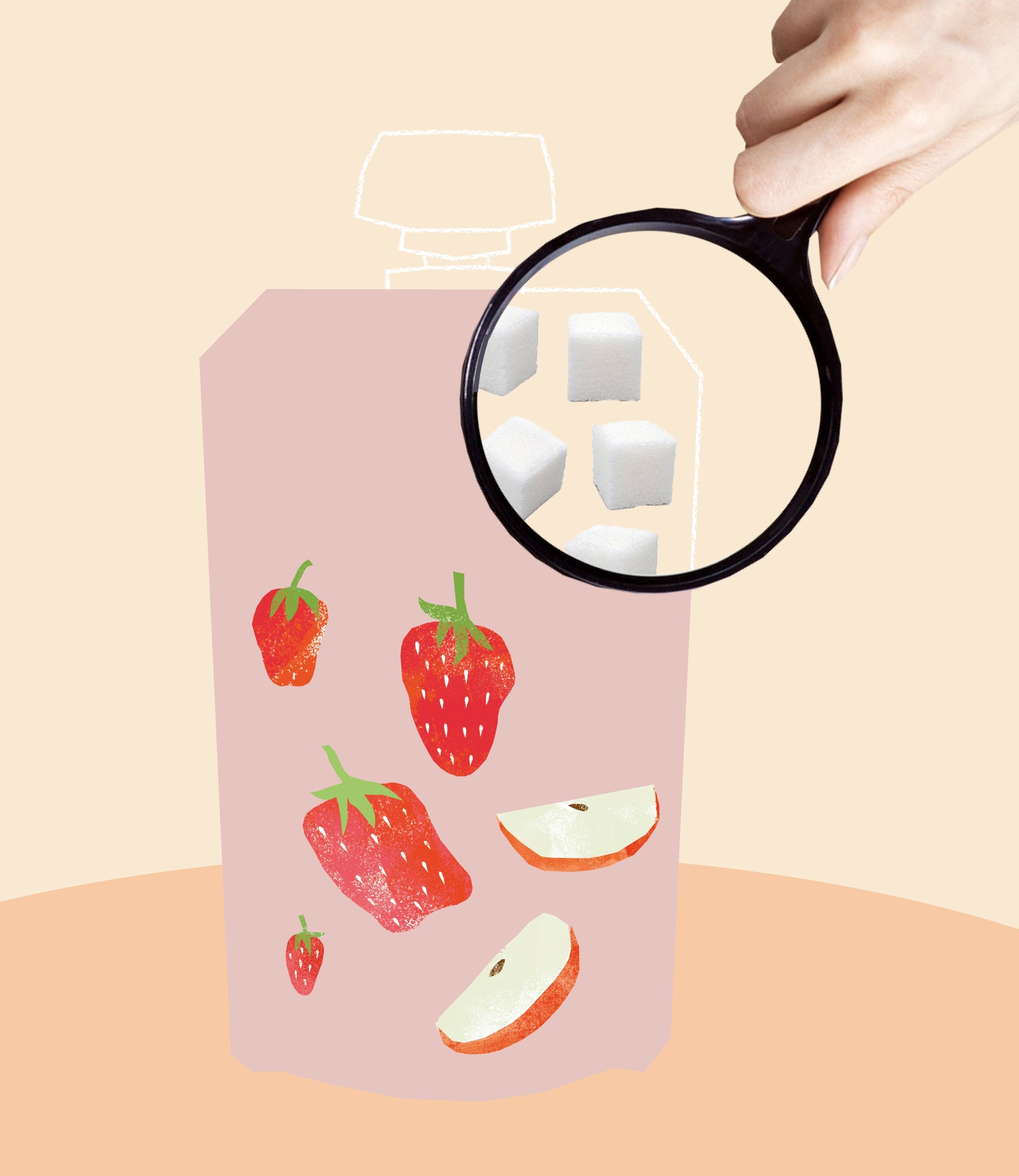
Sugar and babies: How much sugar is in a squeeze pouch?
100 ml of fruit puree pouch contains more sugar than 100 ml of Coca Cola. So why should fruit puree from drinking pouches be healthy?
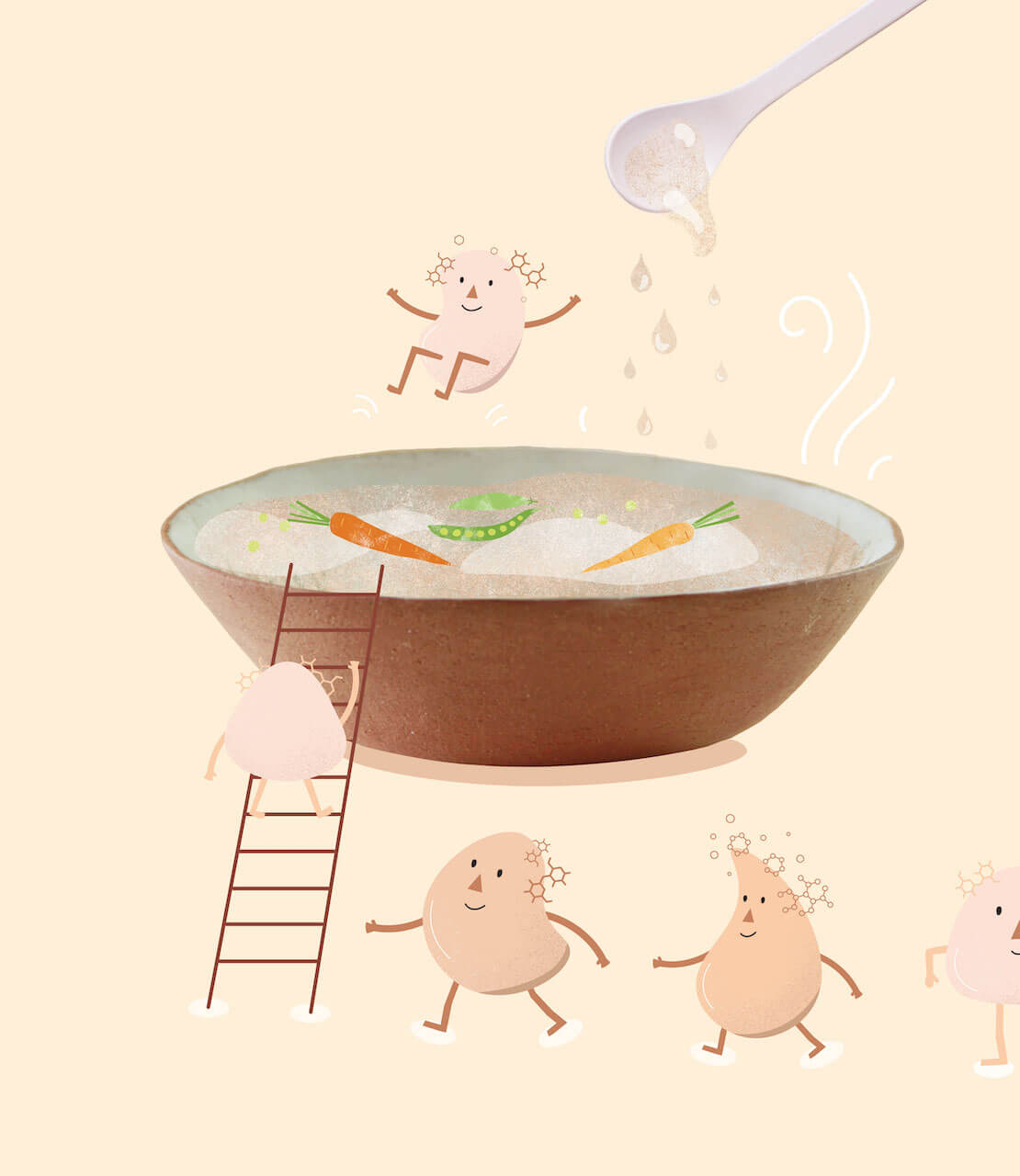
Into the bowl: Bone broth for your baby
We've received another addition to our product range: Organic Bone Broth can support and promote gut health through its naturally occurring collagen.
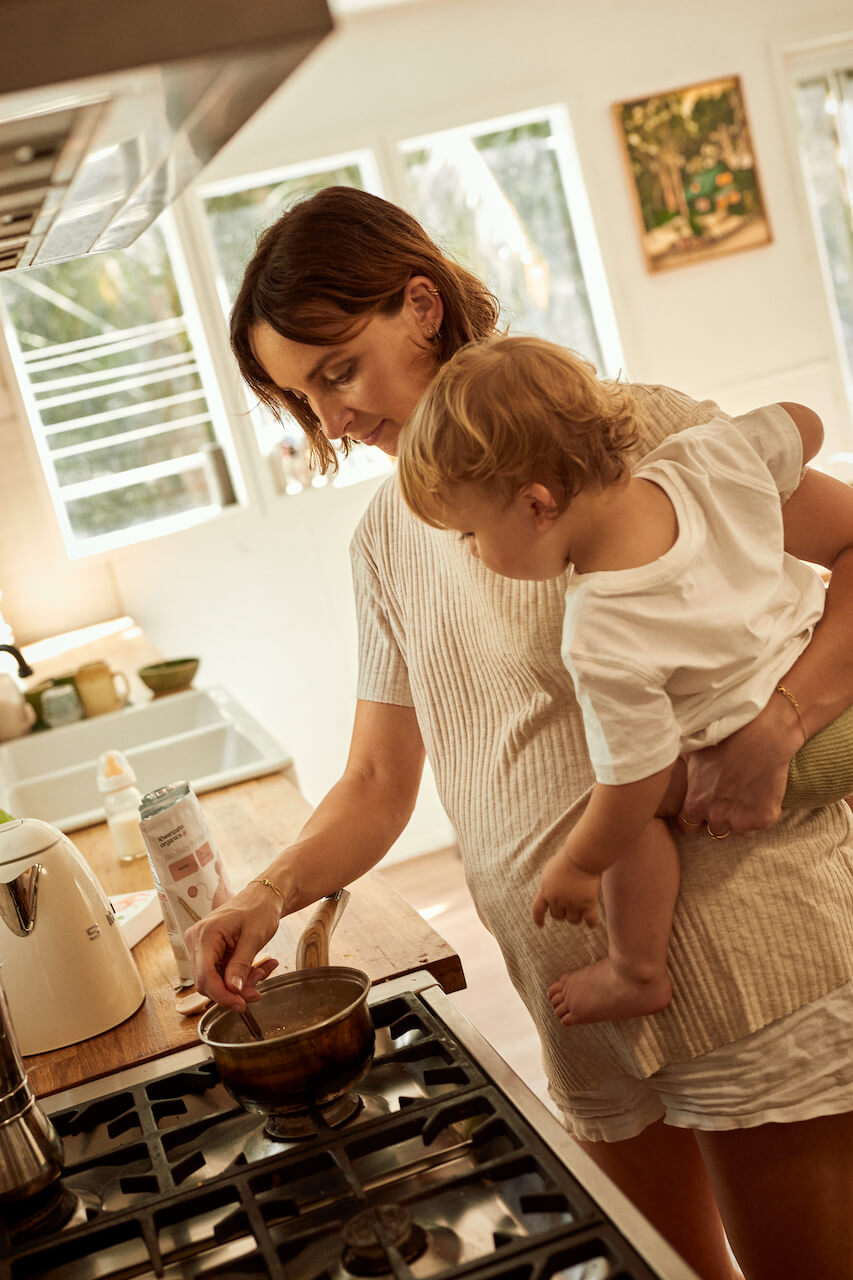
Mothers, in particular, do most of the emotional labor in the family – and that's exhausting. Tips for better handling it!