Organic Baby Formula Original
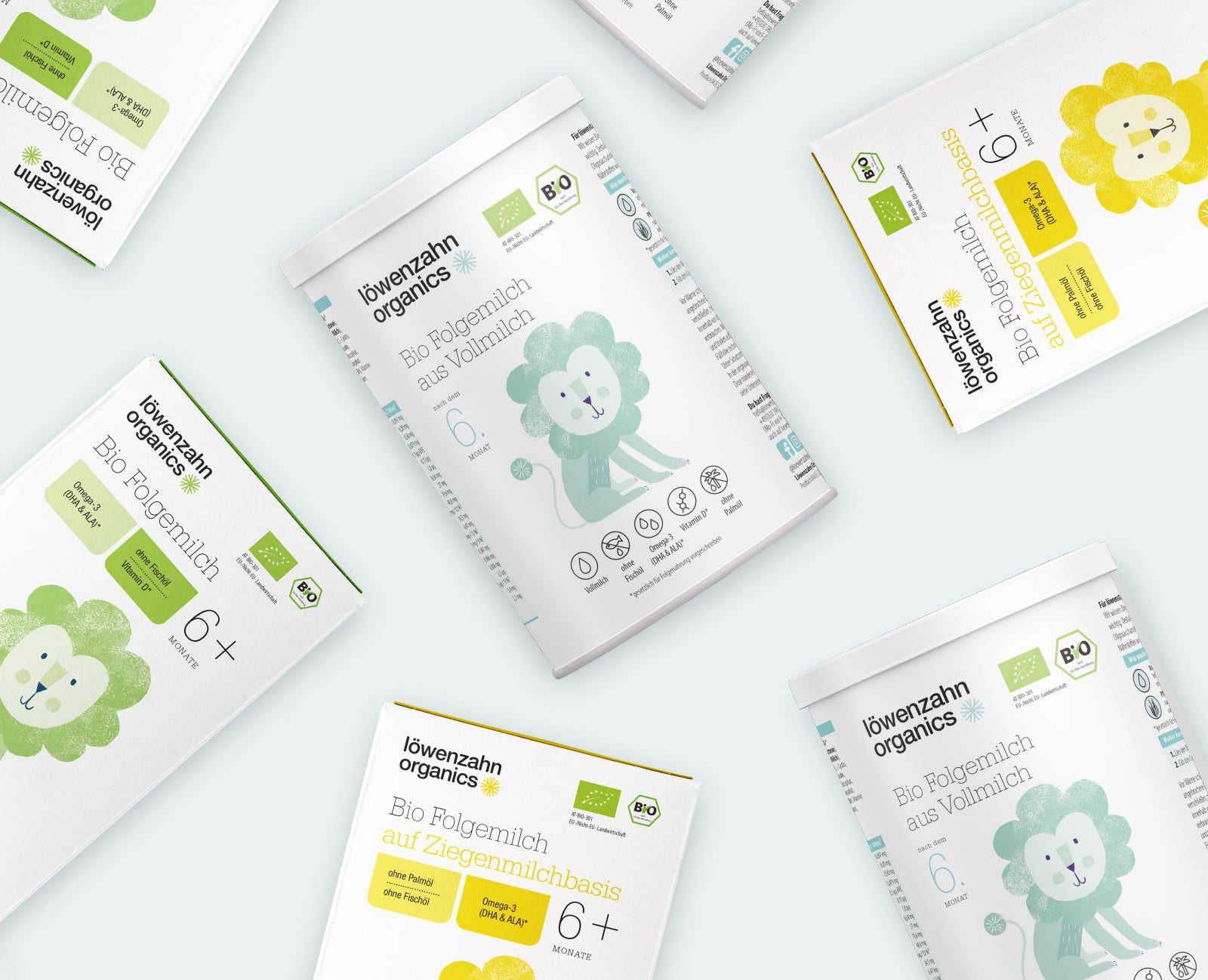
 Follow-On Milk 6+
 Follow-on milk
 Organic Infant Formula from Whole Milk
 Follow-on Milk
 Organic Infant Formula from Goat's Milk
 Follow-On Milk
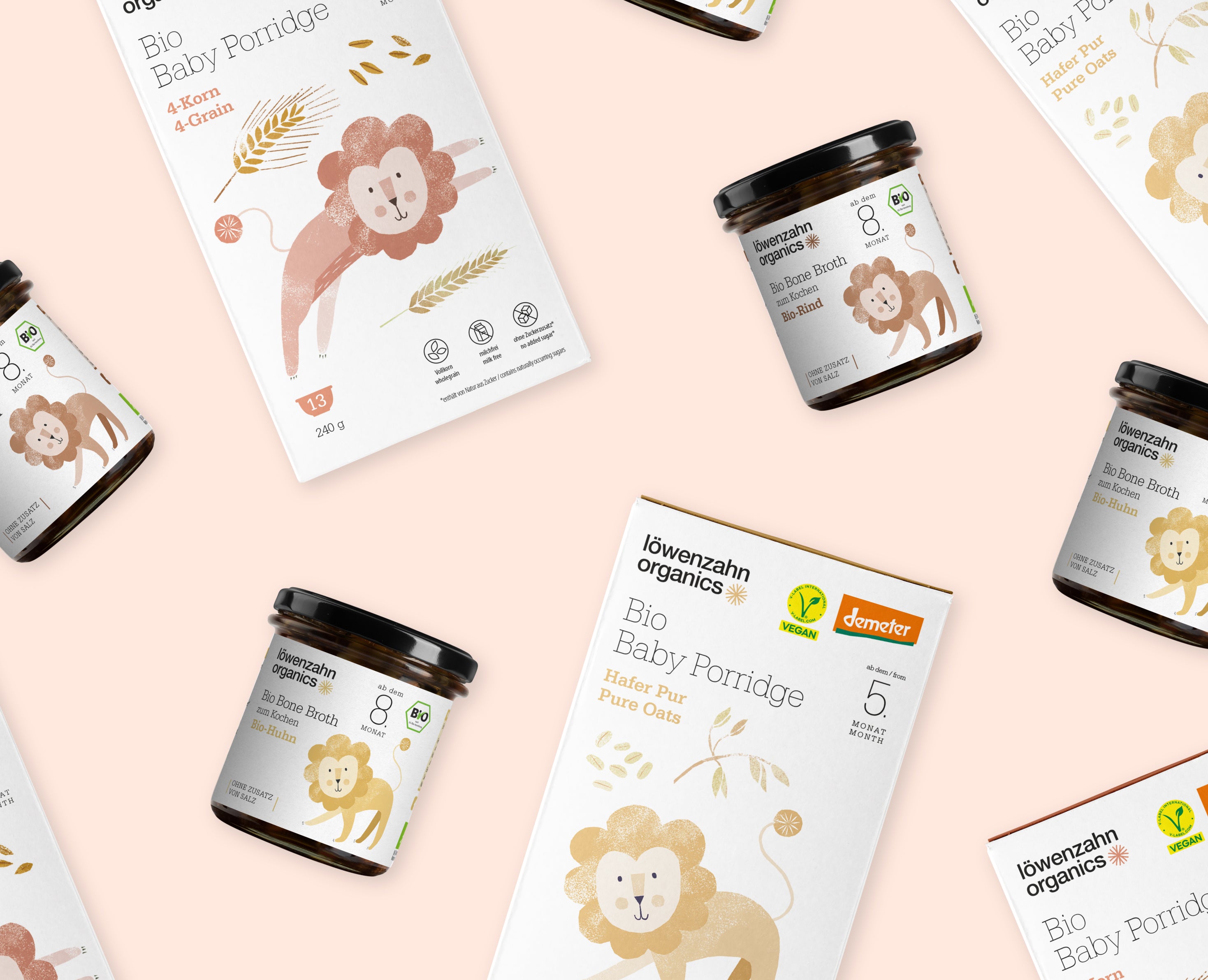
 Organic Bone Broth
 Beef
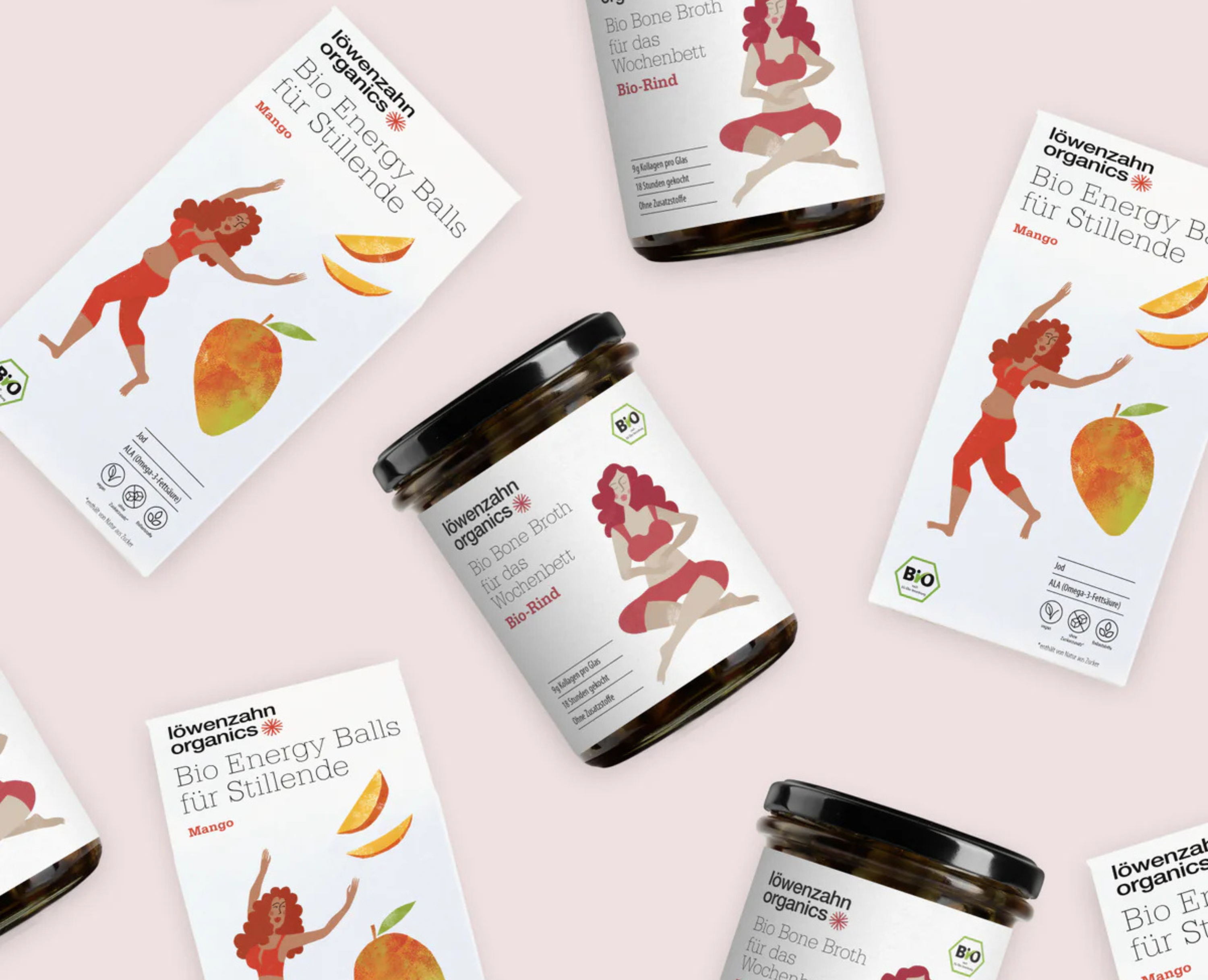
 For Moms
 Organic Energy Balls


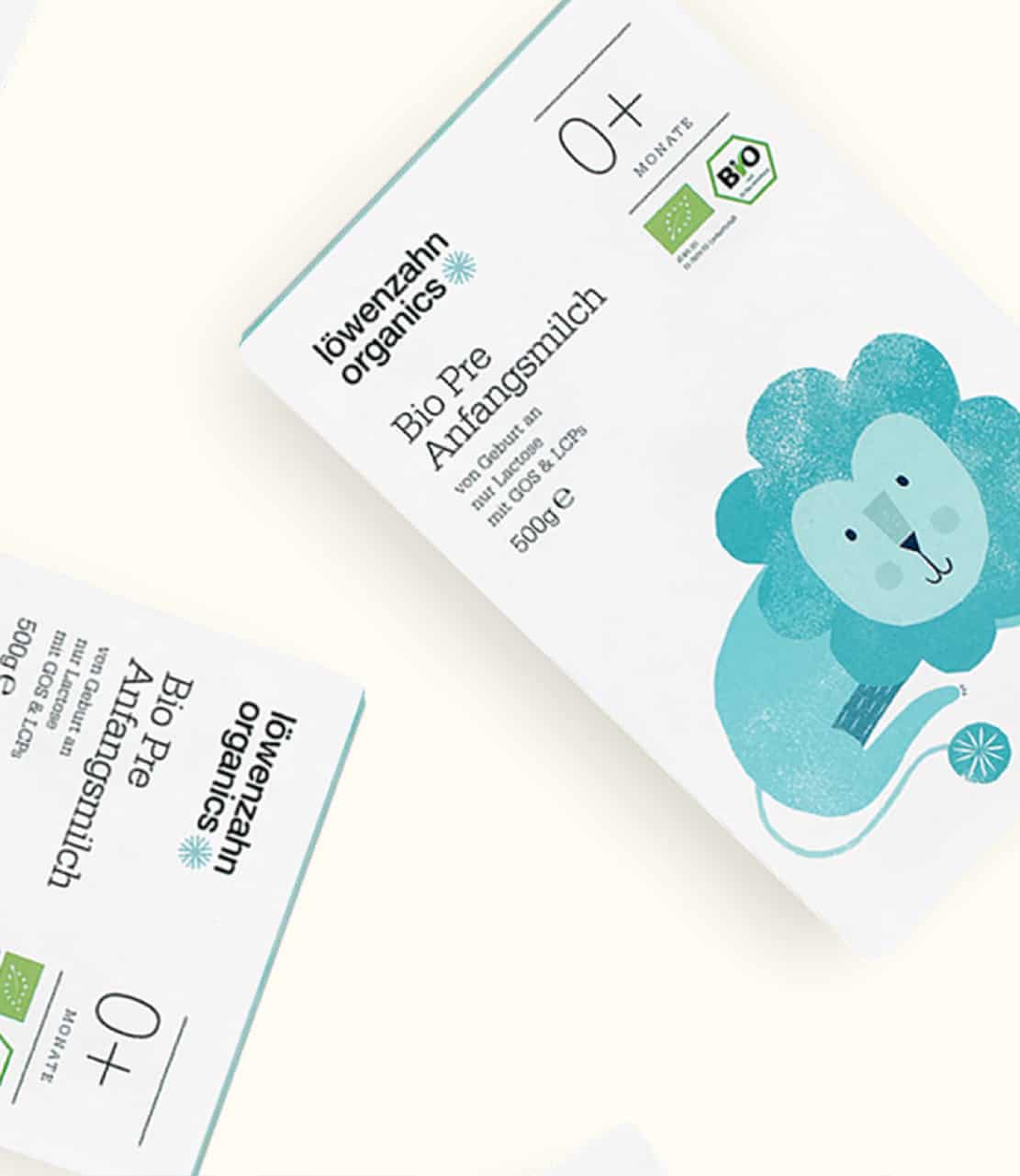
ÖKO-TEST has rated our infant formula
(This article was written in May 2019 and last updated in November 2023.)
Our Bio Pre infant formula was tested by ÖKO-TEST in May 2019! For us, this is something very special – after all, it takes a while for such a well-known consumer magazine as ÖKO-TEST to take notice of a new brand.
Pssst…. In August 2022, our Bio Pre infant formula was named the Stiftung Warentest test winner among 21 tested infant formulas based on skimmed cow's milk.
Of course, we have high standards for the quality and safety of our products ourselves and have them regularly tested and approved by independent laboratories. Nevertheless, we are delighted with the "Good" rating.
Of the 16 pre-milk formulas tested, a total of 6 scored "Good" in May 2019. No one scored "Very good".
In total, 16 infant formulas based on cow's milk ingredients were tested for substances that may be harmful to health, which are frequently found in baby milk powder. In addition, it was examined whether the milk manufacturers were adding the important omega-3 and omega-6 fatty acids for infants.
As a final point, ÖKO-TEST assessed the preparation and warning instructions on the packaging and evaluated whether the manufacturers were unlawfully creating the impression in their advertising statements that the product would be preferable to breastfeeding. Because it is very clear: Breastfeeding is the best for your baby, which is also a fact protected by the World Health Organization (WHO).
Nevertheless, of course, we all know that even the best (breastfeeding) plans do not always work out and that for many women, breastfeeding brings serious complications. The decision on how you feed your baby (should breastfeeding not be the right thing for you) is a very emotional, but entirely your own. We want you – no matter how and for what reasons you decide – to always be able to trust that you are feeding your baby only the best, and we are all the more delighted that ÖKO-TEST confirms our standards for ourselves.

But why not "Very Good" in ÖKO-TEST?
Sure, the question that immediately arises: Why "only" good, why not very good? The fact is that not a single milk formula received a very good rating in the test. This is because the main problem with all the pre-milk formulas tested is the mineral oil residues such as MOSH/POSH, which can migrate from the packaging materials into the food, but unfortunately are unavoidable. All the milk powders tested show traces – in some cases even elevated or strongly to very strongly elevated levels.
The good news is: The quality of most baby milk formulas in the test has improved significantly in recent years. Especially the amount of fat contaminants such as 3-MCPD and glycidyl esters, which occur naturally during the industrial cleaning and heating of vegetable fats and oils, has decreased. Contamination with cleaning and disinfectants such as chlorate and perchlorate has also decreased. This is exactly what the ÖKO-TEST results also show for our Löwenzahn Organics Pre milk.
The only reason for the one-grade deduction for our Löwenzahn Organics Pre starter milk is therefore the slightly elevated value for MOSH/POSH according to ÖKO-TEST. However, in the independent laboratories we commissioned, which regularly analyze all our products with regard to applicable safety standards, no detectable migration of MOSH/POSH into the food was detected.
We are very pleased that the ÖKO-TEST results in May 2019 confirmed the quality of our Bio Pre initial milk. After all, we hold our products to these high standards ourselves.
Which substances are being tested?
ÖKO-TEST is conducted by a laboratory that specializes in testing consumer goods for harmful substances. In this case, Pre food was tested based on skimmed cow's milk powder.
These include, among others, mineral oil components, chlorate and perchlorate, as well as fat contaminants.
Mineral oils/mineral oil hydrocarbons (MOSH/POSH and MOAH)
The product packaging may under certain circumstances release substances onto the product contained within. These substances, which have also been tested in baby milk products, are mineral oil components or plastic residues (known as MOSH/POSH and MOAH), which can transfer from the color print of the mineral oil-containing packaging to the product. POSH can detach from plastics and thus potentially be transferred from the packaging to the product.
WWF stated that consumers should be aware of the legal requirements regarding the maximum permissible amount, especially with regard to MOAH (mineral oil aromatic hydrocarbons).
3 MCPD/ Glycidyl esters - process-related contaminants in food
The fat contaminants 3-MCPD and glycidyl esters found in various food components can naturally occur during the refining of vegetable fats and oils, i.e., heat treatment for the purpose of industrial purification. Furthermore, these contaminants can also form during food processing (baking, cooking, frying, grilling, and toasting).
Chlorate/perchlorate residues in food from disinfectants
Chlorate and perchlorate can be found in food as residues from disinfectants, which can lead to a mild or moderate iodine deficiency if an infant is continuously exposed to these chemicals.
What other factors are tested?
ÖKO-Test also checks the preparation and warning instructions on the packaging, as well as the permissibility of the advertising claims used.
WHO note: Breastfeeding is the best nutrition for your baby. The composition of breast milk always offers your baby the ideal combination of nutrients and good protection against allergies and diseases. The WHO therefore recommends exclusive breastfeeding for 6 months and continuing to breastfeed after that in combination with age-appropriate and balanced complementary food. Consult healthcare professionals (e.g., pediatrician, mother/father counseling service, midwife, lactation consultant) if your child needs supplementary food or if you cannot (sufficiently) breastfeed. The use of infant formula may affect breastfeeding success.
Pre Initial and Follow-up Milk (2020 Formula)
In early 2020, we updated the formulation of our milk formula made from skimmed milk powder. This was prompted by EU legislation regarding the nutrient composition requirements for baby milk. Learn more about our 2020 formulation.
Our cow's milk-based baby milk (skimmed milk powder) was also tested by ÖKO-TEST again in 2021 and named the Stiftung Warentest test winner in 2022.
Related Articles

Our baby milk is the test winner at Stiftung Warentest
We are test winners at Stiftung Warentest: Our "Pre" First infant Formula based on cow's milk (skimmed milk powder) received the best rating.

Changing baby milk – how, when, why?
When do you switch from initial "pre" milk to follow-on formula, i.e. to the next level? Or what do you do if your baby doesn't tolerate the current baby formula well and would like to switch?

Drawing from the best: Milk formula from whole milk
Finally available on the German market: infant formula made from whole milk powder. Learn more about why we are so excited.