Organic Baby Formula Original
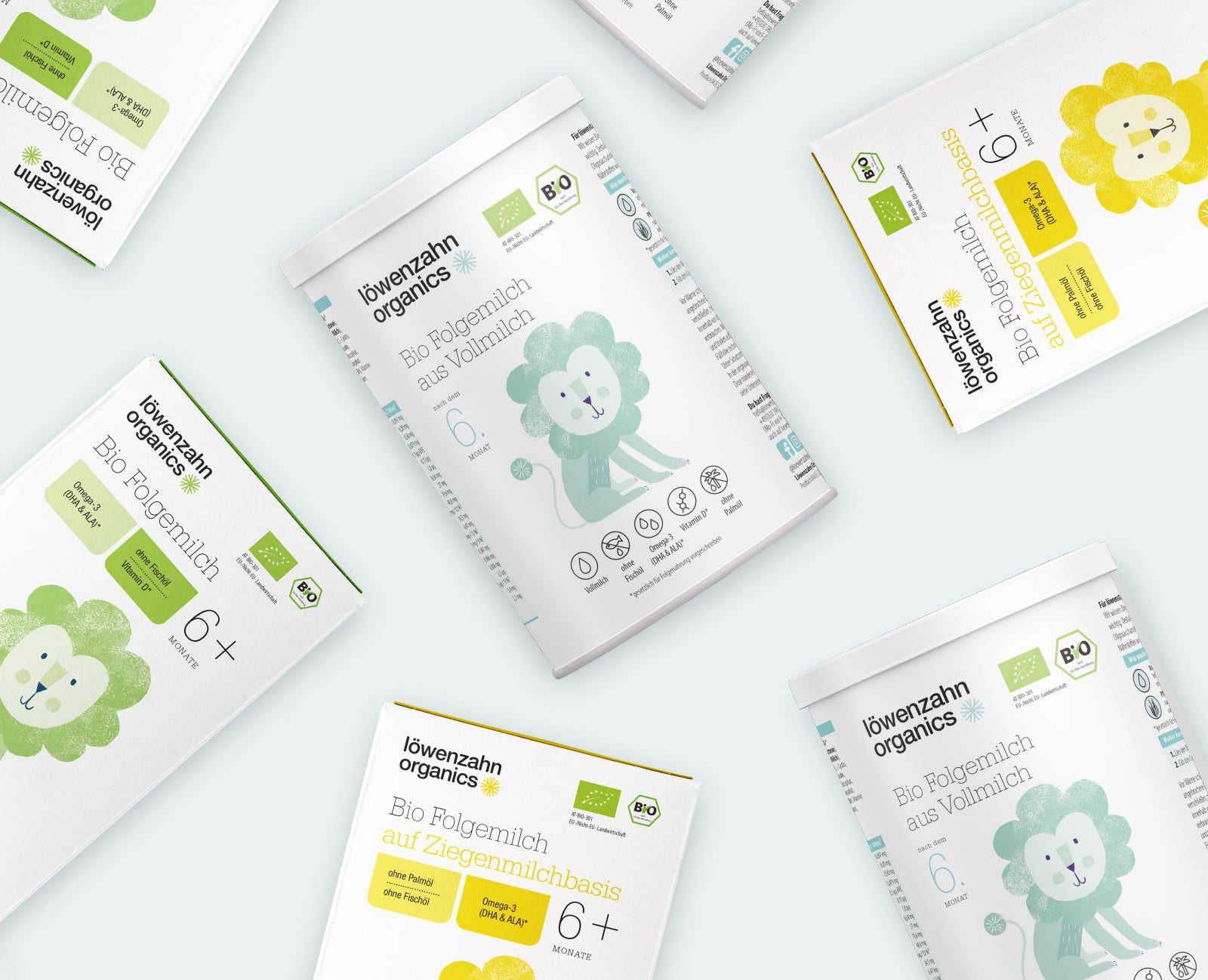
 Follow-On Milk 6+
 Follow-on milk
 Organic Infant Formula from Whole Milk
 Follow-on Milk
 Organic Infant Formula from Goat's Milk
 Follow-On Milk
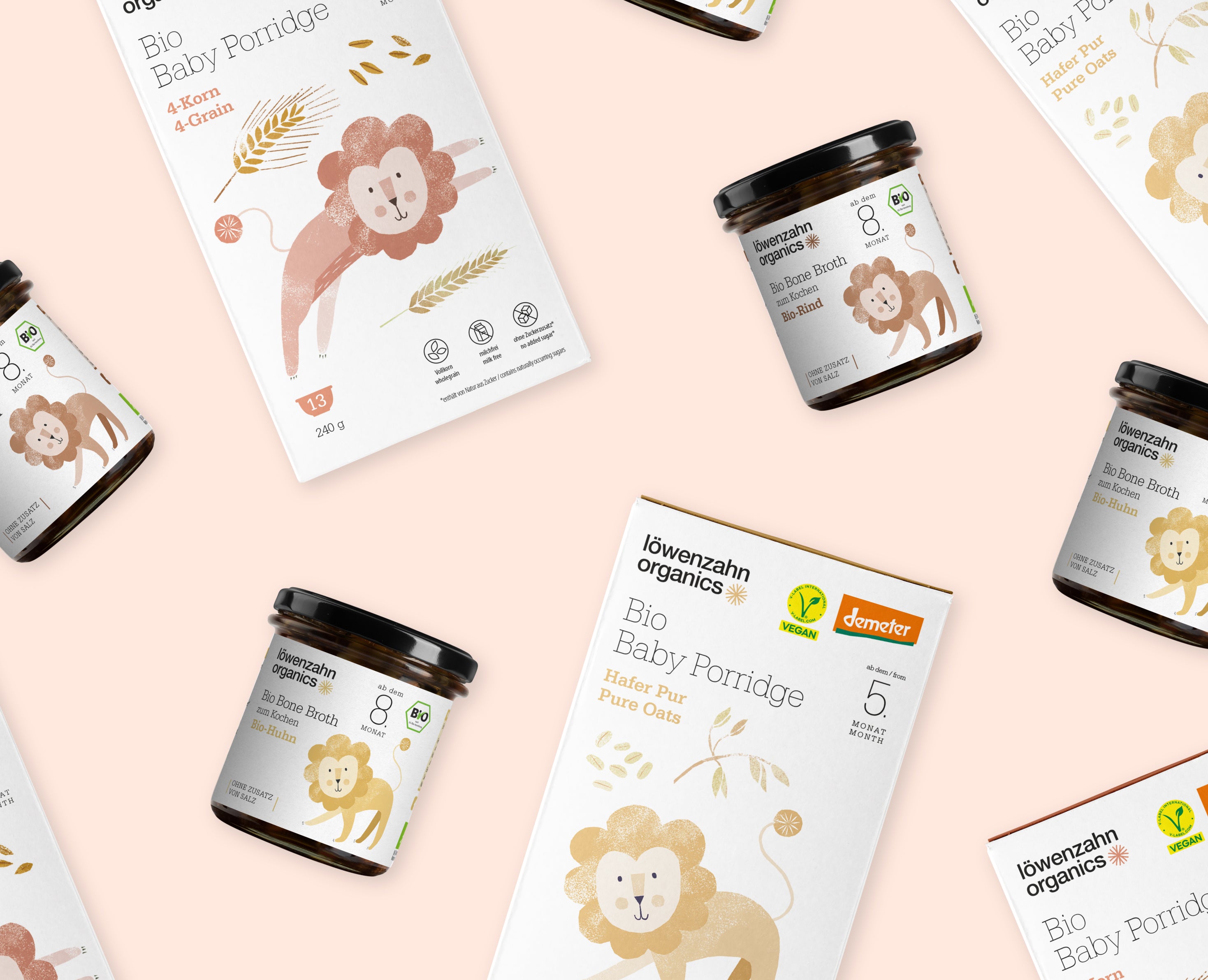
 Organic Bone Broth
 Beef
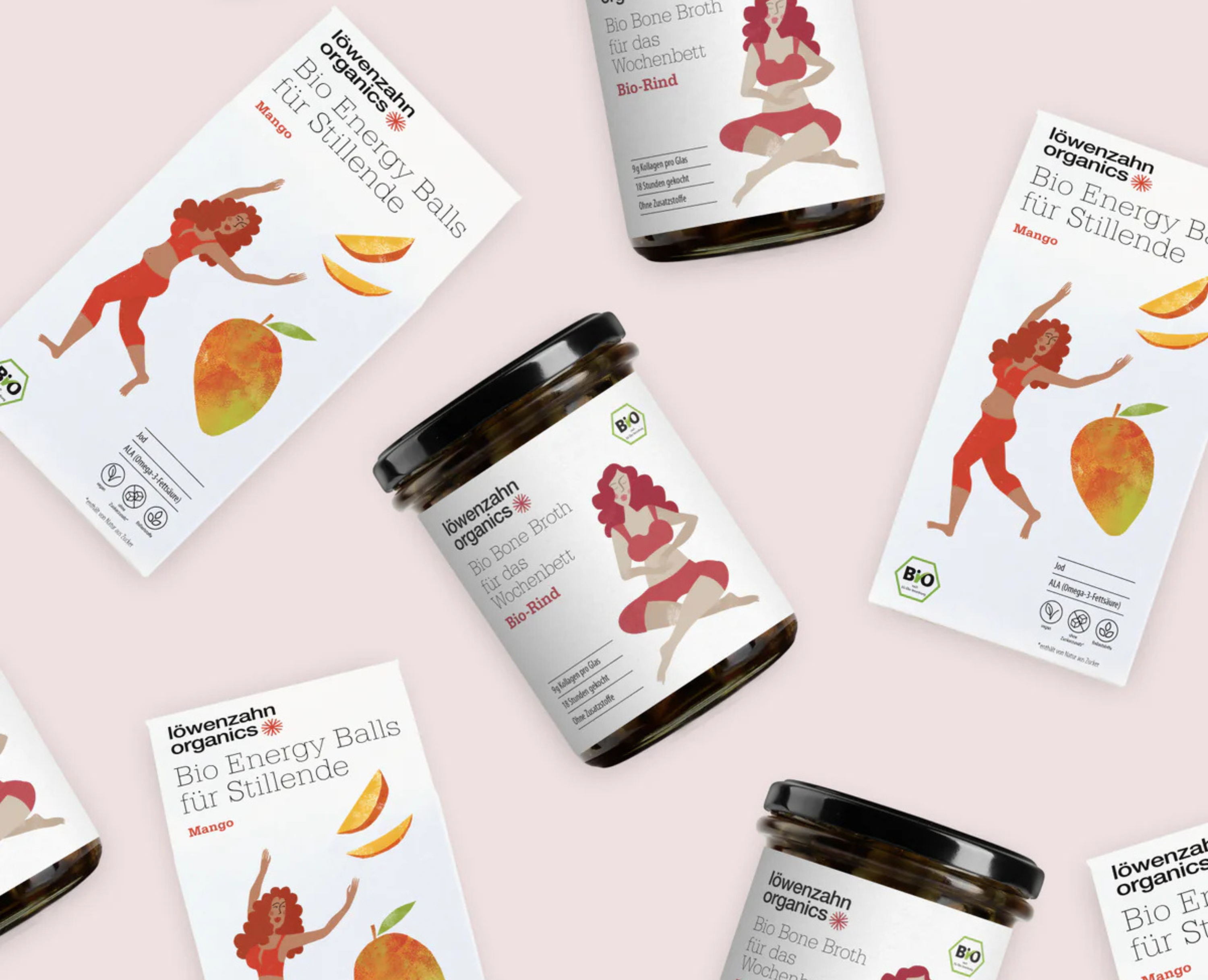
 For Moms
 Organic Energy Balls


Stiftung Warentest confirms our quality
Wir freuen uns: Stiftung Warentest bestätigt erneut die Qualität unserer Bio Pre Anfangsmilch. Alle unsere Produkte sind sicher und können deinem Kind bedenkenlos gegeben werden. Allerdings wurde im Test ein Schadstoff, PFAS (Per- und polyfluorierte Alkylsubstanzen), in der getesteten Pre Milch gefunden, den wir bei unseren Testungen nicht finden konnten. Aus diesem Grund werden wir Maßnahmen unternehmen, um herauszufinden, wie das passieren konnte und wie wir PFAS-Belastungen so gut wie möglich vermeiden können. Im Artikel erzählen wir dir mehr über unser gesamtes Testergebnis, wie du den Fund von PFAS einordnen kannst und welche Schlussfolgerung wir bei Löwenzahn Organics daraus ziehen.
What did Stiftung Warentest test 2025 investigate regarding pre-meals?
In 2025, Stiftung Warentest tested a total of 19 pre-formula products, including seven certified organic pre-formula products. Our organic pre-formula starter milk based on skimmed cow's milk was also included. (Our organic pre-formula starter milk based on whole milk and goat's milk was not tested.)
The following parameters were examined in this year's test:
-
Nutritional quality
-
Microbiological quality
-
Ease of use of the packaging
-
Labelling
-
Contaminants: 2-MCPD esters/glycidyl esters, mineral oil components (MOSH), PFAS
|
Good to know: The pollutant PFAS (per- and polyfluoroalkyl substances) was included in the Stiftung Warentest test of Pre food for the first time this year. Unfortunately, there is currently still no standardized method for analyzing PFAS. This is because PFAS have only recently been detectable in the environment or in products in extremely small quantities (in the nanogram range). This is thanks to laboratory analyses that are fortunately steadily improving. This now also makes it possible to detect these small quantities in baby food. |
How did Löwenzahn Organics Bio Pre starter milk perform?
Stiftung Warentest has once again confirmed the good quality of our organic Pre starter milk based on skimmed cow's milk. It highlights the very good nutritional and microbiological quality, as well as the good user-friendliness of the packaging and labeling. In addition to the positive results, the contaminant PFAS (per- and polyfluoroalkyl substances) was also detected in the organic Pre milk tested. This is the reason why our rating has dropped from 1.8 (09/2022) to 2.6 (10/2025).
Stiftung Warentest expressly emphasizes that "... a diet with products that are sufficient in the contaminant assessment due to PFAS [...] is acceptable" (Source: Stiftung Warentest 10/25).
All our products are regularly tested by GALAB Laboratories (an independent service laboratory for external quality control) using accredited methods. No PFAS contamination has been detected in our organic Pre starter milk based on skimmed cow's milk to date.
Where do these PFAS come from?
Thanks to their exceptional properties—namely water-, grease- and dirt-repellency, as well as high resistance to heat and chemicals—PFAS are extremely durable and virtually non-biodegradable (persistent substances).
It is precisely these “positive properties” that have made them particularly attractive for use in industrial processes and consumer products since the 1950s—for example, in non-stick coatings (e.g., pans/Teflon), outdoor textiles (water-repellent), or food packaging (e.g., grease-resistant papers).
The reason they have only recently been detected in the environment or in products is due to steadily improving laboratory analysis techniques.
How can PFAS get into baby formula?
PFAS are ubiquitous today and accumulate in the environment and organisms. Residues can be detected in groundwater, soil, air, and plants—and thus also in grain, fruit, vegetables, milk components, and other animal-derived foods, as well as in household drinking water.
There are several ways PFAS can enter the final product during the manufacture of baby formula:
-
Raw materials
If forage crops or feed are contaminated by contaminated water, soil, or air, PFAS may already be present in the raw materials. -
Production processes and equipment
Machines, pipes, and filters are used during production. If these contain PFAS-containing materials or are already contaminated, traces can transfer to the product. Cleaning processes and cleaning agents can also indirectly introduce PFAS. -
Packaging
PFAS are sometimes used to make cardboard, paper, or films grease- or moisture-resistant. These coatings can break down and migrate—thus allowing tiny traces to enter the baby formula. -
Preparation at home (water)
If baby formula is prepared at home with tap water that contains PFAS, these are additionally introduced directly into the prepared baby formula.
There is therefore no single cause behind possible traces of PFAS, but rather an interplay of many factors: from general environmental contamination to production steps, packaging, and preparation.
Scientific Assessment of PFAS
The European Food Safety Authority (EFSA) provides a scientific assessment of PFAS and food safety.
The EFSA has unfortunately found that infants and young children in particular have particularly high PFAS exposure. Babies are simply especially sensitive during the early stages of development.
PFAS usually enter babies' bodies before birth via the placenta and later through breast milk. Studies show that after birth, PFAS concentrations are often higher through breastfeeding than prenatal exposure. What the concrete consequences of this are has not yet been conclusively determined. There is evidence that PFAS could weaken the immune response to vaccinations.
This makes strategic and continuous monitoring all the more important – especially for food for the youngest. In its 2022/1431 recommendation, the EU recommends that products frequently consumed by infants and young children should be regularly checked for PFAS.
Outlook and Conclusion: Pre Initial and Follow-up Milk (2026 Formulation)
We work closely with our production facility. Together, we ensure that a thorough risk assessment is carried out for all raw materials, drinking water, packaging and equipment with regard to PFAS contamination. In addition, risk-based monitoring is established and appropriate measures are implemented. This allows us to ensure that PFAS levels remain consistently as low as possible in every batch of our infant formula.
Furthermore, we will introduce an enhanced formulation of our baby milk in the first half of 2026. This will incorporate the latest scientific findings, so you can be sure that your child will continue to receive the best possible quality.
Final thought:
In our view, a standardised method used by all laboratories would be urgently needed and desirable. However, we currently have no influence over this. We will therefore continue to work with accredited laboratories to ensure the best possible quality of our products.
Related Articles

Löwenzahn Organics baby formula in comparison
This comparison of Löwenzahn Organics baby formula for any parents who are unsure.
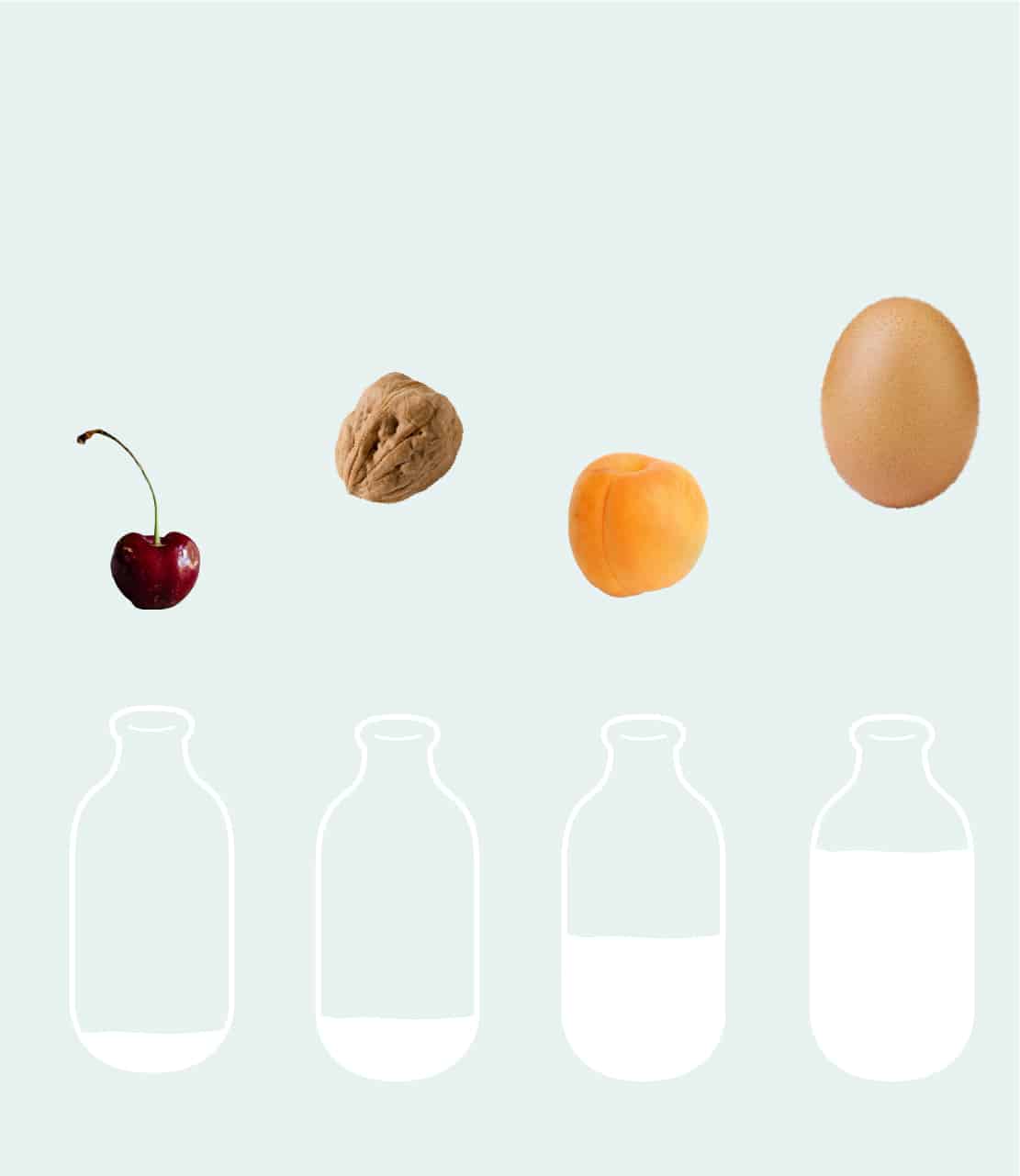
Calculate how much your baby needs to drink!
How do you know your baby has had enough? Is it possible to overfeed or underfeed your baby? How to calculate how much your baby is drinking...
Fats – Why are they so important for baby's development?
Discover the importance of fats in baby formula.