Organic Baby Formula Original
 Follow-On Milk 6+
 Follow-on milk
 Organic Infant Formula from Whole Milk
 Follow-on Milk
 Organic Infant Formula from Goat's Milk
 Follow-On Milk
 Organic Bone Broth
 Beef
 For Moms
 Organic Energy Balls


Taboo Lochia - It just keeps flowing and flowing and flowing
Together with our cooperation partner and midwife Aleyna, we are shedding light on the fascinating topic of lochia. Every person who gives birth goes through this exciting phase, and yet no one talks about it?! Such a shame. After all, our bodies perform true wonders. Let's go!
What is the weekly flow?
After birth, especially after the placenta has been delivered, a wound measuring approximately 15–20 cm in size is left in the uterus. This is where lochia, or postpartum bleeding, comes from. In medical terms, it is called “lochia.” It is an important sign that the wound is healing. Lochia contains blood, remnants of the uterine lining, lochia alba, cervical mucus, lymph, bacteria, and other components. Lochia has a slightly sweet, metallic smell that differs from the smell of menstruation.
Unfortunately, postpartum bleeding is often underestimated. It is important to give your body rest after birth and to eat well, especially foods rich in iron, as the body loses strength and fluids during the postpartum period. Good sources of iron include beetroot, legumes, pumpkin seeds, oats, lentils, raspberries, and, if you are not vegan, red meat. Nicotine, alcohol, and black tea should be avoided, as they can inhibit iron absorption.
What I feel particularly strongly about is that postpartum bleeding is often taken lightly. However, the wound in the uterus is relatively large. I always say that if a wound were visible on the outside of the body, we would take much more time to let it heal and treat it more seriously. If you had a plate-sized wound on your leg, you would rest for several weeks. Many mothers go shopping or tackle other tasks shortly after being discharged from the hospital, but the body needs time and rest to heal. I recommend really taking it easy during the postpartum period until the bleeding has completely stopped. It is advisable to enjoy a warm meal every day and take the time you need to recover.
How long does the weekly flow last?
Lochia usually lasts about two to six weeks. However, it can vary greatly from person to person. For some women, it ends after just under two weeks, while for others it lasts over six weeks. This is completely normal, as the course of lochia, as well as the entire postpartum period, varies from woman to woman. Generally, however, it can be said that the period of two to six weeks is considered a guideline.
Phases of the Menstrual Cycle
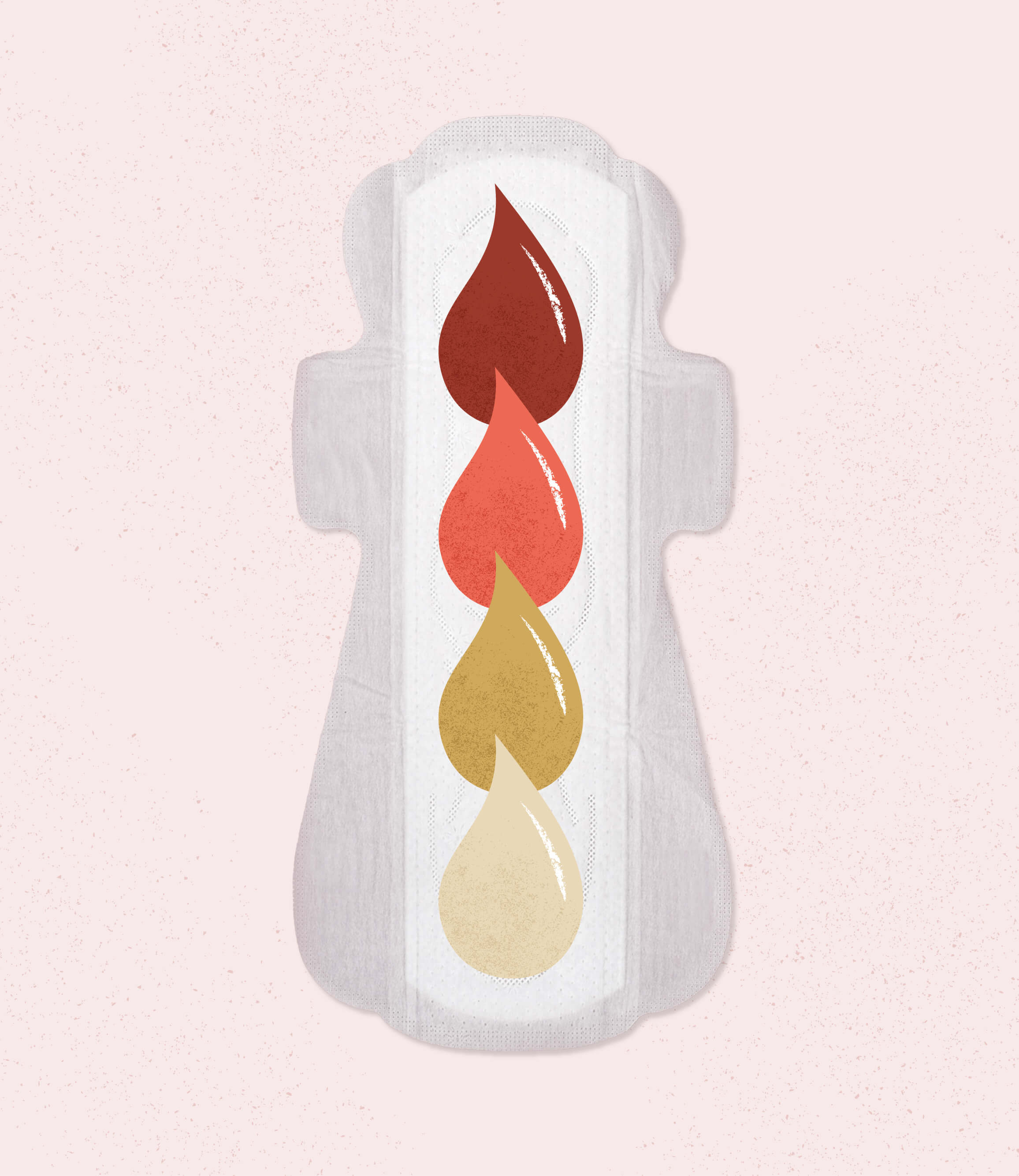
- Lochia Rubra (Days 1-3 or the first week):
In the first few days after birth, the lochia is bright red and very heavy. Blood clots (coagulae) are also common. These clots consist of clotted blood that has accumulated in the uterus and is then expelled. Such blood clots are usually no larger than a walnut. However, if they are larger or occur frequently, it is advisable to consult a doctor or midwife.
- Lochia Fusca (Day 4 to approx. Day 10):
During this phase, the lochia becomes thinner and changes color to dark red or brown. Many women notice a slight, unpleasant odor, which is normal as long as it does not smell fishy or extremely strong. In this case, a doctor should be consulted to rule out a possible infection.
- Lochia Flava (Day 10 to approx. Day 20):
The lochia now becomes light brown to yellowish and feels like normal discharge. This phase can last for different lengths of time depending on the woman.
- Lochia Alba (from Day 20):
From the 20th day, the lochia may finally take on an egg-white, transparent consistency. The discharge is similar to that during ovulation and indicates that the healing of the uterus is almost complete.
Important Information on Hormone Adjustment and Wound Healing
Around the baby's tenth day of life, the mother's hormones shift. This not only affects the composition of the breast milk but can also cause the lochia to suddenly become heavier or change. This change usually lasts two to three days and is completely normal. Many women are unsettled by this and fear that it is a return of bleeding or spotting. However, this is a normal reaction to the hormonal shift.
Some women do not notice this change at all, while in others it is more pronounced. Physical exertion or increased activity can also cause the lochia to temporarily become heavier again. This is also normal and is part of the healing process.
Wound Healing and Return of Menstruation
The healing of the uterus is complete about six weeks after birth. At this point, the uterine lining begins to rebuild. Theoretically, the first period can occur after this phase, but it varies greatly from woman to woman. It may also not start until months later, especially in breastfeeding mothers, as breastfeeding can affect the menstrual cycle. In some cases, menstruation only returns after weaning.
How much menstrual flow is “normal”?
Lochia flow is highly individual and can vary in volume. On average, a woman loses about 500 ml of blood during the entire postpartum period, which is significantly more than during a normal menstruation. For this reason, it is important to pay attention to proper hygiene and the right products.
Use plastic-free cotton pads whenever possible, as they are breathable. These so-called "surfboard" pads are particularly absorbent and offer additional protection against leaks. It is important that air reaches the intimate area to prevent infections.
Tampons or menstrual cups should not be used at all during the postpartum period, as they can increase the risk of uterine infection. Lochia must be allowed to flow freely to protect the wound area in the uterus and prevent infections.
Make sure to wear underwear made of cotton or other breathable materials. Mesh panties are particularly practical, as they are comfortable and well-suited for the postpartum period.
Normal lochia has a slightly unpleasant but not concerning odor towards the end. However, if a fishy, pungent odor develops, this is a warning sign. In this case, you should immediately contact a midwife, doctor, or physician. In emergencies, the clinic or emergency room should be contacted directly to rule out a possible infection or inflammation of the uterus.
It is important to change the pads regularly and clean the intimate area with lukewarm water after each trip to the toilet. Avoid harsh cleaning products, as these could irritate the sensitive skin in the intimate area. In exceptional cases, and only if the odor is particularly intense, gentle intimate washing can be done.
Important: If the pad is completely soaked in blood and wet within 2 hours, please have it checked by a doctor.
What should you do if your period flow has stopped?
If the postpartum bleeding suddenly stops completely for more than 24 hours or becomes very light in the first few days after birth, this is a serious symptom. In such cases, it is important to take immediate action and seek professional medical help if necessary. Such a stoppage of postpartum bleeding may indicate so-called *retained lochia*. In this condition, the discharge accumulates in the uterus and cannot drain, which can lead to complications.
Possible causes of lochia retention
- Incomplete uterine involution: If the uterus does not contract sufficiently after birth, lochia can become trapped, leading to a buildup of blood clots (coagula) that block the cervix.
- Retained products in the uterus: Placental or tissue remnants can block the cervix and prevent lochia from draining.
- After a cesarean section (abdominal birth): In rare cases, the cervix may not open sufficiently after a cesarean section, making it difficult for lochia to drain.
Recommendations for retained lochia
If the lochia flow subsides or becomes sluggish, there are several proven measures that can help promote drainage and support the uterus in returning to its pre-pregnancy size. Here are some important recommendations:
The *abdominal massage by Ulrike Harder* is a very effective method for stimulating the uterus. This special massage can be relaxing, reduce stress, and help the uterus contract, allowing the lochia to flow more freely. Rest and relaxation are particularly important for women after childbirth, and this massage offers both.
Breastfeeding is a natural way to promote the flow of lochia. Breastfeeding stimulates the release of the hormone *oxytocin*, which encourages uterine contractions, thereby helping the uterus to shrink and the lochia to flow.
Sitz baths are also highly recommended to support the healing process and prevent possible inflammation. The *Bahnhof-Apotheke sitz bath* is particularly effective and can be used in a bathtub or large basin. The soothing effect of the bath can promote relaxation and help to loosen the lochia.
Acupuncture can be an effective alternative or complement. If a midwife offers acupuncture, this method can provide support and stimulate the uterus.
A tea made from *motherwort, mugwort, and raspberry leaves* is soothing and supports the uterus in returning to its pre-pregnancy size. The herbs have anti-inflammatory and strengthening properties that help the body regulate the flow of lochia. Three cups a day are ideal.
When medical attention is required
If none of these measures work and the following symptoms occur, it is important to seek medical attention immediately:
- Fever with chills
- Severe headache or nausea
- Lower abdominal pain
- Vomiting or severe malaise
- Circulation problems or general weakness
These signs could indicate an infection or a serious complication that requires medical treatment.
Is the postpartum bleeding different after a cesarean section than after a vaginal birth?
Generally, there is no significant difference in the postpartum bleeding after a cesarean section compared to a spontaneous birth. However, the amount and course of postpartum bleeding after a cesarean section may differ:
It is possible that the amount of postpartum bleeding after a cesarean section may be less. This is because during a cesarean section, blood and tissue remnants are often suctioned out of the uterus and lower abdomen, which can reduce postpartum bleeding afterwards.
Since less blood flows out, the postpartum bleeding after a cesarean section may change from a dark to a lighter color more quickly. This means that the phases of postpartum bleeding (from red to brown and then to yellowish-white) may pass through more quickly.
However, it cannot be predicted generally how the postpartum bleeding after a cesarean section will proceed. Some women bleed for just as long and as heavily after a cesarean section as after a spontaneous birth, sometimes even for six to seven weeks. Other women have bleeding for only a few days or up to a week, which then subsides quickly.
Postpartum bleeding can certainly proceed differently after a cesarean section, but the individual course varies from woman to woman. It is important not to let yourself be unsettled, but to monitor the course and contact your midwife or doctor if you have any concerns.
About Midwife Aleyna

Aleyna is originally from Nuremberg and completed her midwifery training in Bavaria. She has been working as a midwife for several years and has gained valuable experience in labor wards in Aalen, Ansbach, and Berlin. Currently, she works as a freelance midwife in Berlin-Spandau, supporting families during pregnancy, the postpartum period, and beyond breastfeeding.
In addition, she offers various courses, including prenatal classes and baby massage, and volunteers her time organizing pregnancy and family groups. Naturopathy is particularly close to her heart, and she is passionate about helping families listen to their inner needs and intuition.
With her expertise and resource-oriented approach, she supports and empowers new families, standing by their side. On her Instagram channel, hebammealeyna, she offers insights into her daily life as a midwife and shares valuable tips and inspiration.
Related Articles

Sun protection for babies: What really protects and what doesn't
1. Why baby skin needs special sun protection Baby skin is not just small adult skin. It is thinner, produces fewer protective melanin pigments, and can hardly repel UV rays on its own. At the same...

Our Quality: A Truly Personal Matter
Behind the scenes at Löwenzahn Organics: Why the highest possible quality in baby food is so important. Ultimately, it’s about trust.

Authentic and Unforced: Why We Need to Rethink Baby Food
Löwenzahn Organics combines organic tradition with the aim of redefining infant nutrition through the vision and passion of Eva Neugebauer and David Rau.