


 Organic Baby Formula Original
 Follow-On Milk 6+
 Follow-on milk
 Organic Infant Formula from Whole Milk
 Follow-on Milk
 Organic Infant Formula from Goat's Milk
 Follow-On Milk
 Organic Bone Broth
 Beef
 For Moms
 Organic Energy Balls
 for nursing mothers


Baby Growth Spurt: Pediatrician Dr. med. Sophie Zötler explains
Hardly any topic raises as many questions, uncertainties, and sometimes sleepless nights for parents as the so-called growth spurts in babies. Everything was calm just a moment ago, and suddenly sleep is restless, breastfeeding or feeding changes, and the need for closeness seems boundless. In such moments, many parents ask themselves: What is happening with my child right now? Is this normal? In this article, we talk with pediatrician Dr. med. Sophie Zötler about exactly these phases.
Dear Sophie, a warm welcome and thank you very much for taking the time today to talk with us about the exciting topic of baby growth spurts. Let's get to the first question:
1 - What is a baby growth spurt anyway?
Basically, a lot happens at the beginning of life and everything is constantly changing. There is the conventional medical view of children, whereby we assess their overall development: from the child's motor, language, cognitive and emotional abilities.
With this approach, we always look at what a child can do at what age and how we can perhaps support them so that they can grow up as healthy as possible within the limits of their health. And then there is the definition of developmental spurts, as defined by two Dutch doctors, which is about the formation of new neural connections.
During a developmental spurt, your baby learns new skills, which opens up a whole new world. This can initially seem frightening to the little person, as suddenly everything feels different. Most babies react to these new impressions with typical behaviors.
2 - Only one phase?!” - How many more phases are supposed to come?
It feels like babies and children are always going through phases, doesn't it? Well, not always. The so-called phases, or growth spurts, always occur at similar times, so you can find out using an app or a book at what age each one begins and approximately how long it lasts.
In the first year of life, there are approximately 7 growth spurts, and 3–4 in the second year, although these last much longer, and parents usually barely notice them or only notice them at the end of the growth spurt.

3 - What do I need to consider during my baby's growth spurt?
If we look now at the growth spurts that many parents notice, they manifest in the following ways: children sleep less well or differently, and they want to eat differently.
Or, for example, things that used to be easy—such as saying goodbye to Mum or Dad without any fuss—suddenly become more difficult. Or certain play situations may suddenly become impossible.
Another typical sign of a growth spurt is an increased need for physical closeness with their main caregiver. Children may suddenly want to be carried a lot more, and their need for closeness becomes very apparent.
4 - It’s completely different here—am I doing something wrong?
No. A very clear no. We humans are very different, and so are our babies. Although there are certain developmental spurts by definition, that doesn't mean that all babies react to them according to the textbook. Every child is different. You really cannot compare one child with another. And you shouldn't either. I warn against this very strongly in practice.
5 - What do I need to consider during my baby's growth spurt? Do you have any tips?
You can try to let everything be as it is; that is always my tip. Dedicate yourself to the whole process with a lot of patience and also curiosity. And that is for both sides: towards the child's behavior, but also towards your own behavior: How do I react when things change and things suddenly no longer "work"? What does it do to me, and what do I need as a parent to fulfill my child's need for changed eating behavior and changed sleeping behavior? What do I need to be able to support my child well?
Because that is what it is about first and foremost. And that is also the most important tip for moms and dads for me as a pediatrician: To look at what I need to be the best possible support for my child. I believe we are all doing our best anyway. And this perspective helps my parents: When our glass is full, we can really draw from that abundance.
And when it is not full sometimes and we realize "Phew, now everything is becoming too much", then definitely ask for help. Friends, neighbors, family - sometimes maybe just someone who is right there - maybe also a colleague. Just ask for help. We as parents can learn and take advantage of how much easier it is to support children and live as a family when we ask for help.
About Dr. med. Sophie Zötler

Dr. med. Sophie Zötler is a practicing pediatrician at the children's and adolescents' medical practice in Immenstadt and a coach for female doctors.
Read on ...
From the first heartbeat to the first words: Incredible things happen in a baby's head. Learn how the brain develops in the first years of life, why the first 1,000 days are so crucial – and how you can best support your baby during this time.
Related Articles
Sun protection for babies: What really protects and what doesn't
1. Why baby skin needs special sun protection Baby skin is not just small adult skin. It is thinner, produces fewer protective melanin pigments, and can hardly repel UV rays on its own. At the same...

Our Quality: A Truly Personal Matter
Behind the scenes at Löwenzahn Organics: Why the highest possible quality in baby food is so important. Ultimately, it’s about trust.
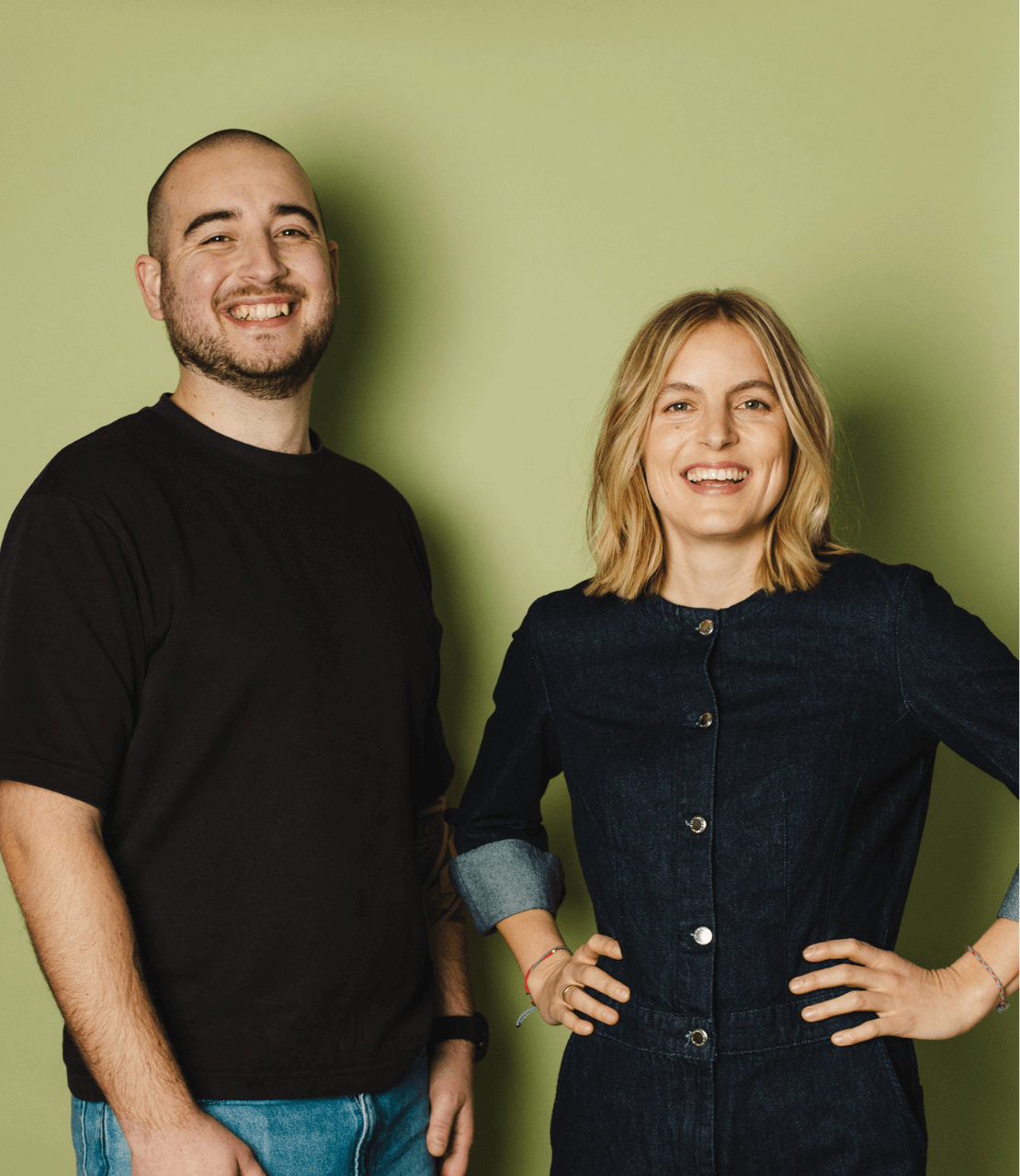
Authentic and Unforced: Why We Need to Rethink Baby Food
Löwenzahn Organics combines organic tradition with the aim of redefining infant nutrition through the vision and passion of Eva Neugebauer and David Rau.


