Organic Baby Formula Original
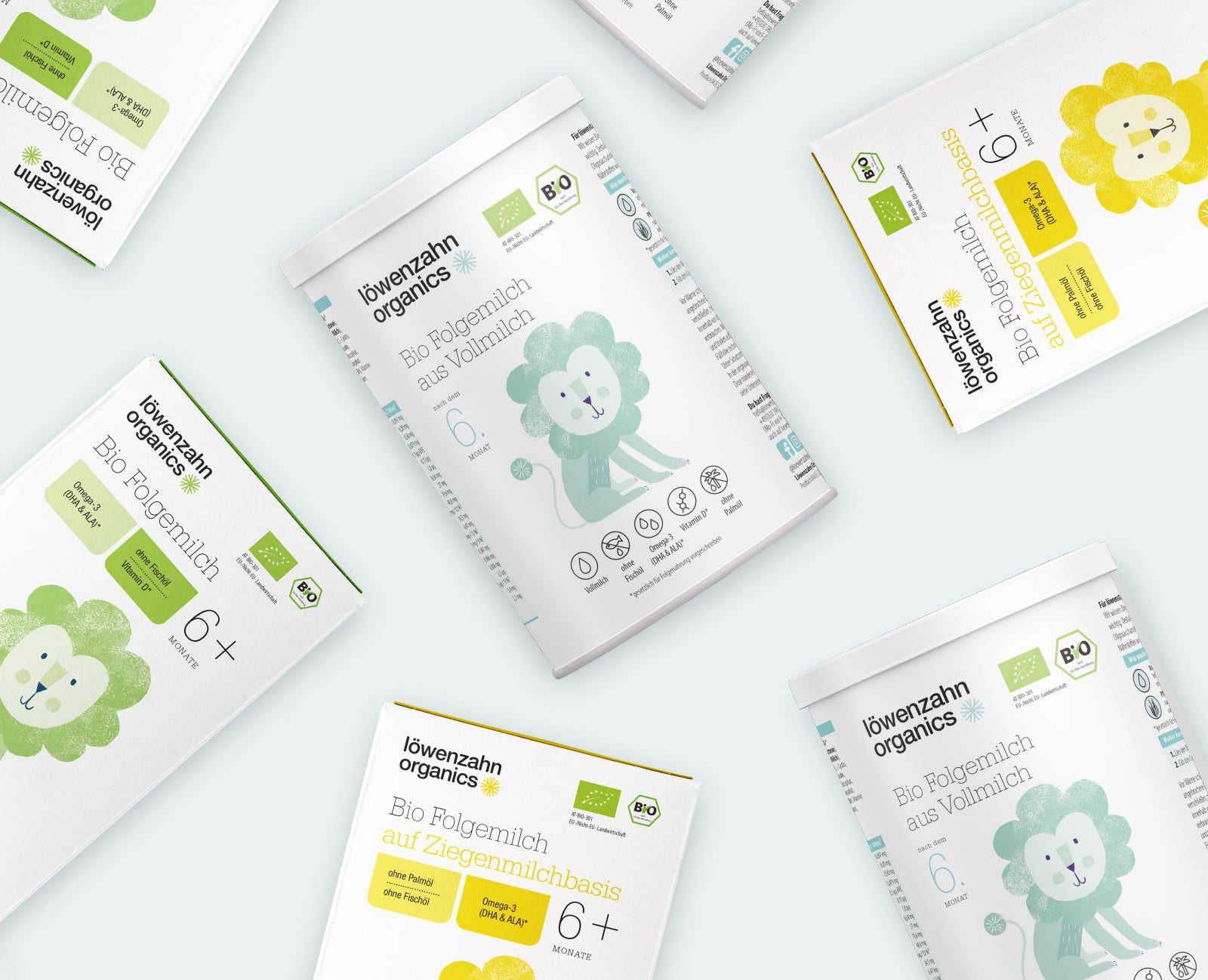
 Follow-On Milk 6+
 Follow-on milk
 Organic Infant Formula from Whole Milk
 Follow-on Milk
 Organic Infant Formula from Goat's Milk
 Follow-On Milk
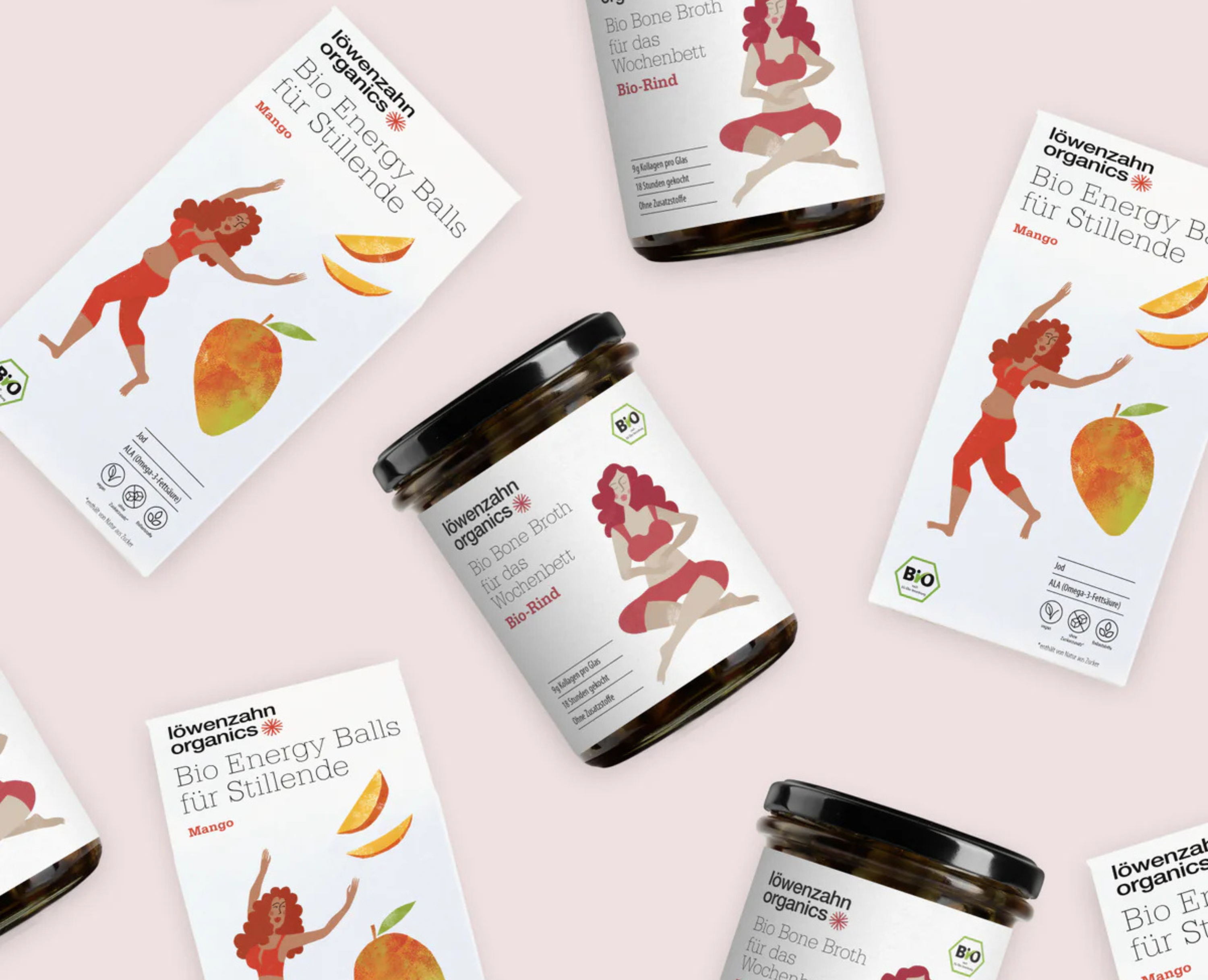
 Organic Bone Broth
 Beef
 For Moms
 Organic Energy Balls


Into the cup: Postpartum soup and soup for mom's (to be)
Our Löwenzahn Organics family has grown: Organic Bone Broth for Moms (to be). There is a good reason it’s called the postpartum period: it is time to rest in bed for several weeks. As a new mother, it is important that you take good care of yourself and accept help or ask for it to better cope with the demanding time after birth. We want to be part of your support team. That is the basic idea behind our Organic Bone Broth for Mamas (to be). Our high-quality broth made from organic beef bones is heated to just below boiling and is ready to eat. You can drink it or eat it as a soup. Take time for yourself and your baby.
Table of Contents
- Why is a mother's nutrition important?
- What is postpartum soup?
- Buy or make it yourself?
- Recipes for postpartum soup: ready in 10 min
- Postpartum soup recipes: several portions
- Nutrients in postpartum soup
- When to start eating postpartum soup?
- How often to eat postpartum soup?
- How long to eat postpartum soup?
- Summary
Why is Mom's nutrition important?
In all the joy of a new baby, mothers' nutrition during the postpartum period is often completely forgotten. However, mothers' nutrition is very important not only during pregnancy but also during breastfeeding – for their bodies and for their babies as well. Milk production can be stimulated by fennel, anise and caraway. However, it is not just about nourishing mothers again after birth, but also about the healthy development of babies. Mothers' nutrition has an influence on the cognitive development, intestinal and brain development, as well as the development of babies' immune systems. This has been shown by studies of the famous metabolism and nutrition physician Dr. Berthold Koletzko. (1)
“It is time that we support moms with their recovery after childbirth. Our bone broth is like a loving embrace for the belly after childbirth.”
- Liz, Co-founder of Löwenzahn Organics
What is a postpartum soup?
Our Mama Broth is a bone broth tailored for mothers before and after birth. Bone broth is made from animal bones. The bones are simmered for up to 18 hours to extract nutrients such as collagen, gelatin, and amino acids. Beef, chicken, or pork bones are used. Spices and vegetables are added for extra flavor. A soup packed with natural, wholesome ingredients to support you, especially after the exertion of childbirth during the postpartum period or to help strengthen you during pregnancy.

Why buy prepared broth instead of making it yourself?
Broths for strength and postpartum soups are nothing new. For generations, new mothers have been eating restorative broths—typically prepared by their grandmothers. Bone broth is simmered for several hours, and in this case, the exception applies: the longer, the better. Only then are the valuable nutrients released from the bone.
In today's society, grandparents often do not live near the new parents, and it is not always possible for the mother's partner to take time off work or parental leave when she is in the postpartum period.
During the postpartum period and just before birth, mothers simply lack the energy to prepare proper meals. Their main tasks are to recover and feed their baby. In other words: recovery and breastfeeding (giving bottles is also perfectly fine).
Our Organic Bone Broth for the postpartum period simply needs to be heated and is ready to enjoy. Another plus: you can enjoy postpartum soup without the strong smell. Simmering bones often produces a pungent odor.
Recipes for postpartum soups: ready in 10 minutes
You can customize your postpartum soup however you like. Of course, one basic ingredient is essential: bone broth. We have put together three recipes for postpartum soups based on bone broth that are easy to prepare and really quick to make. Cooking time ranges from 2 to a maximum of 10 minutes.
Pure soup from the cup

Time
Ready in 2 minutes
Ingredients
- 1/2 glass of organic bone broth for moms (to be)
Preparation
- Bring the soup to a boil in a pot
- Pour the broth into a cup
- Let it cool and enjoy
Beef broth with soup vegetables and noodles

Time
Ready in 10 minutes
Ingredients
- 1 glass of organic bone broth for moms (to be)
- 1/2 cup small pasta (e.g., pipe rigate or shell pasta)
- 2 handfuls of frozen soup vegetables
Preparation
- Take the frozen soup vegetables out of the freezer and let them thaw
- Bring the broth to a boil in a pot
- Add the pasta to the pot with the broth and cook over medium heat for half of the pasta's cooking time
- Add the thawed soup vegetables and wait until the pasta is al dente
- Pour into soup bowls and enjoy
Maultaschen in beef broth

Time
Ready in 10 minutes
Ingredients
- 1 glass of organic bone broth for moms (to be)
- 1 package of Maultaschen
Preparation
- Bring the soup to a boil in a pot
- Add the Maultaschen and simmer for about 10 minutes over medium heat
- Let cool and enjoy
Postpartum recipes: cooking multiple portions
Of course, there are also slightly more elaborate recipes, but they are suitable for cooking in batches.
Kitchari as a Panacea

Ingredients for approx. 2-3 servings
- 1 large cup basmati rice
- 1⁄2 large cup mung dal
- 2 tbsp ghee
- 1/4 tsp black mustard seeds
- 1⁄2 tsp cumin
- 1⁄2 tsp turmeric powder
- 1⁄2 tsp fennel seeds
- 1 tsp coriander seeds
- 2 cm freshly grated ginger
- 1 tsp salt water or bone broth
- 2 handfuls of vegetables (e.g. fennel, spinach, zucchini etc.)
- Lemon
- Fresh coriander
Preparation
- Melt the ghee and roast all the spices (except salt) over medium heat until they start to smell fragrant. Be careful, as they burn relatively quickly.
- Then add the mung dal and rice and roast them briefly as well.
- Cover both with water and let it simmer uncovered.
- In the meantime, you can chop the fennel and add it.
- Season the kitchari with salt and continue cooking until the mung beans break down. You may need to add a little water occasionally, as mung beans and rice absorb quite a lot of water. This also allows you to control the consistency of your kitchari.
- Remove the bay leaf. Stir the spinach into the kitchari and add lemon juice. Serve the kitchari with fresh coriander.
|
Note: In a beautifully designed booklet, we have collected more recipes and tips for your nutrition during the postpartum period. Go to the booklet with recipes and tips for your nutrition during the postpartum period. |
What beneficial ingredients does a Mama broth contain?
The high nutrient content is a huge advantage of bone broth. It contains collagen, amino acids, and gelatin, as well as the spices fennel, anise, and caraway. These nutrients or ingredients can support you during the intense period after childbirth.
Collagen
Collagen is a protein found in animal bones, among other things. Dissolved collagen in bone broth can be very well absorbed and digested by the body. Beef bone-based postpartum soups contain a high proportion of collagen.
Gelatin
Gelatin is a protein that is formed when collagen changes state. When collagen is boiled and then allowed to cool, the collagen molecules gel to form gelatin.
Amino acid glycine
The amino acid glycine is a semi-essential amino acid. This means that although our body can produce it itself, it can only produce a limited amount per day. It is needed to form collagen and makes up approximately ⅓ of all amino acids in collagen. Especially during breastfeeding, the requirement is increased, making an additional supply through food important.
Spices: fennel, anise and caraway
Fennel, anise and caraway are spices obtained from the seeds of the respective plants. In addition to their flavor, they can have a positive effect on human health and are therefore used as remedies in traditional medicine (TM). Spices such as fennel, anise and caraway are ideal for nursing mothers, as they are known to increase milk supply. They can also help the baby tolerate breast milk better. (2)
When should I start eating Wochenbettsuppe?
Since postpartum soup is packed with important nutrients, you can start consuming bone broth during pregnancy or from the postpartum period through the end of breastfeeding: as hot broth or soup.
The postpartum soup should be a complementary food to your diet and not your main source of nutrition.
How often should I eat Wochenbettsuppe?
How often you consume Wochenbettsuppe is entirely personal and can vary from person to person. It also depends on the type of Wochenbettsuppe you eat. Löwenzahn Organics Wochenbettsuppe is cooked for 18 hours and contains a high amount of important nutrients. Therefore, we recommend consuming one glass per week up to one glass per day.
How long should you eat postpartum soup?
From pregnancy until the end of breastfeeding, we recommend that you consume Organic Bone Broth for Moms (to be).
Summary
A savory broth is a real treat for a new mother right after birth, but also during pregnancy and throughout the breastfeeding period. It contains important nutrients such as collagen, amino acids, and gelatin, which are easily absorbed by the body. The spices anise, fennel, and caraway can help promote milk production.
You might also be interested in this from our magazine: Things no one told you before giving birth.
More about our bone broth, which we specially developed for babies' needs: Organic Bone Broth for Babies.
And if someone asks if they can do something nice for you, ask them to send you a gift certificate from Löwenzahn Organics.
Sources
1 https://www.ekfs.de/en/current-topics/more-news/interview-mit-prof-dr-berthold-koletzko
2 Möthrath, C.: Powerful Trio: STOMACH-INTESTINE-PROBLEMS, Powerful Trio: Fennel, Caraway, Anise. https://www.apotheke-adhoc.de/nachrichten/detail/magen-darm-co/starkes-trio-fenchel-kuemmel-anis-magen-darm-beschwerden/. 2019. 21.09.2022
Related Articles

When breastfeeding doesn't work out...
Moms feel guilty about all sorts of things, even when they bottle-feed their baby. We're here to shed some light on the situation.

Healing Birth Injuries: Perineal Tears and More
Perineal tears, vaginal tears, or abrasions in the intimate area – birth injuries happen! Tips from a midwife.

12 things no one told you before about postpartum
The magical, exhausting and simply unique time in the postpartum period is so incredibly important and unfortunately can often be neglected.