Organic Baby Formula Original
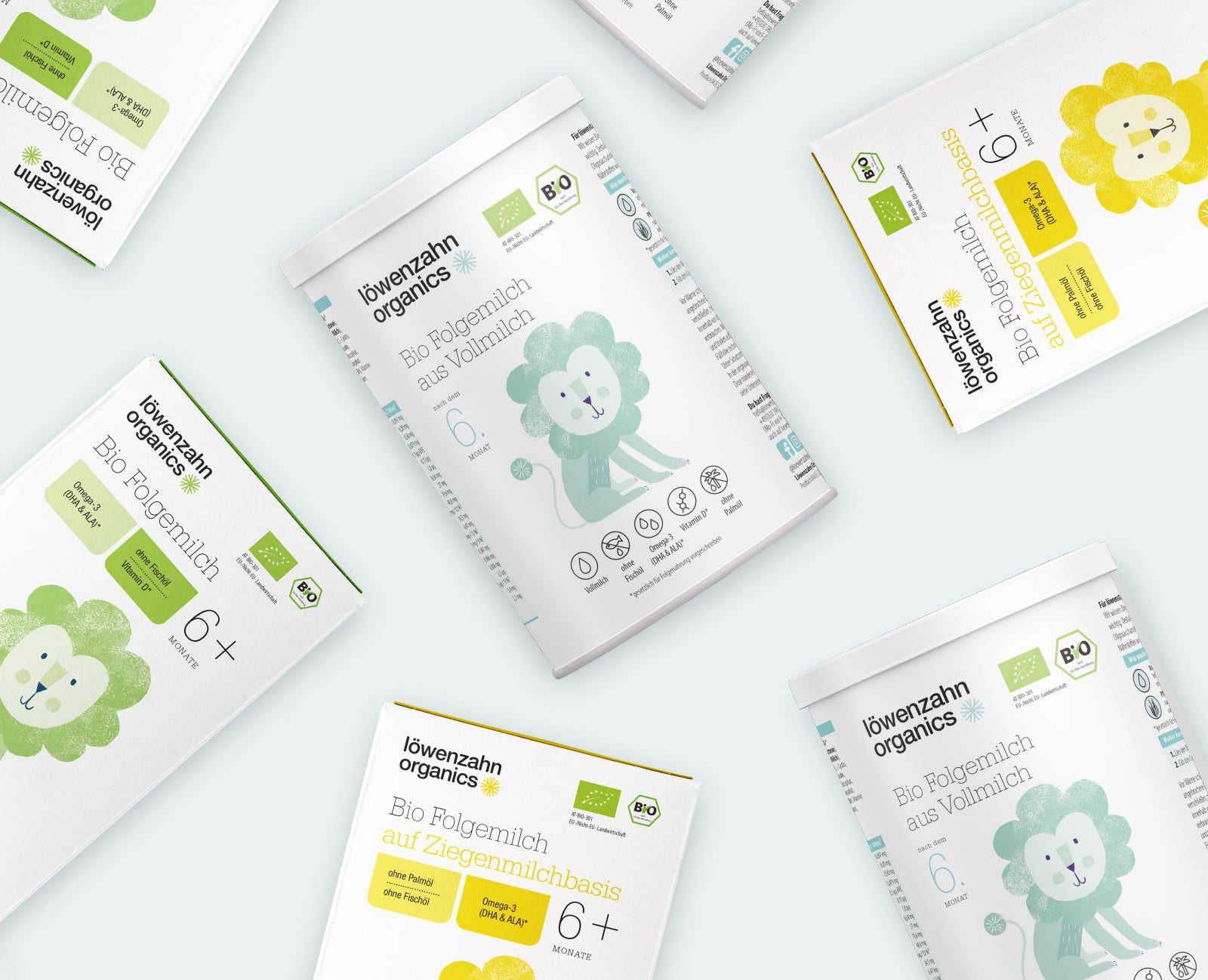
 Follow-On Milk 6+
 Follow-on milk
 Organic Infant Formula from Whole Milk
 Follow-on Milk
 Organic Infant Formula from Goat's Milk
 Follow-On Milk
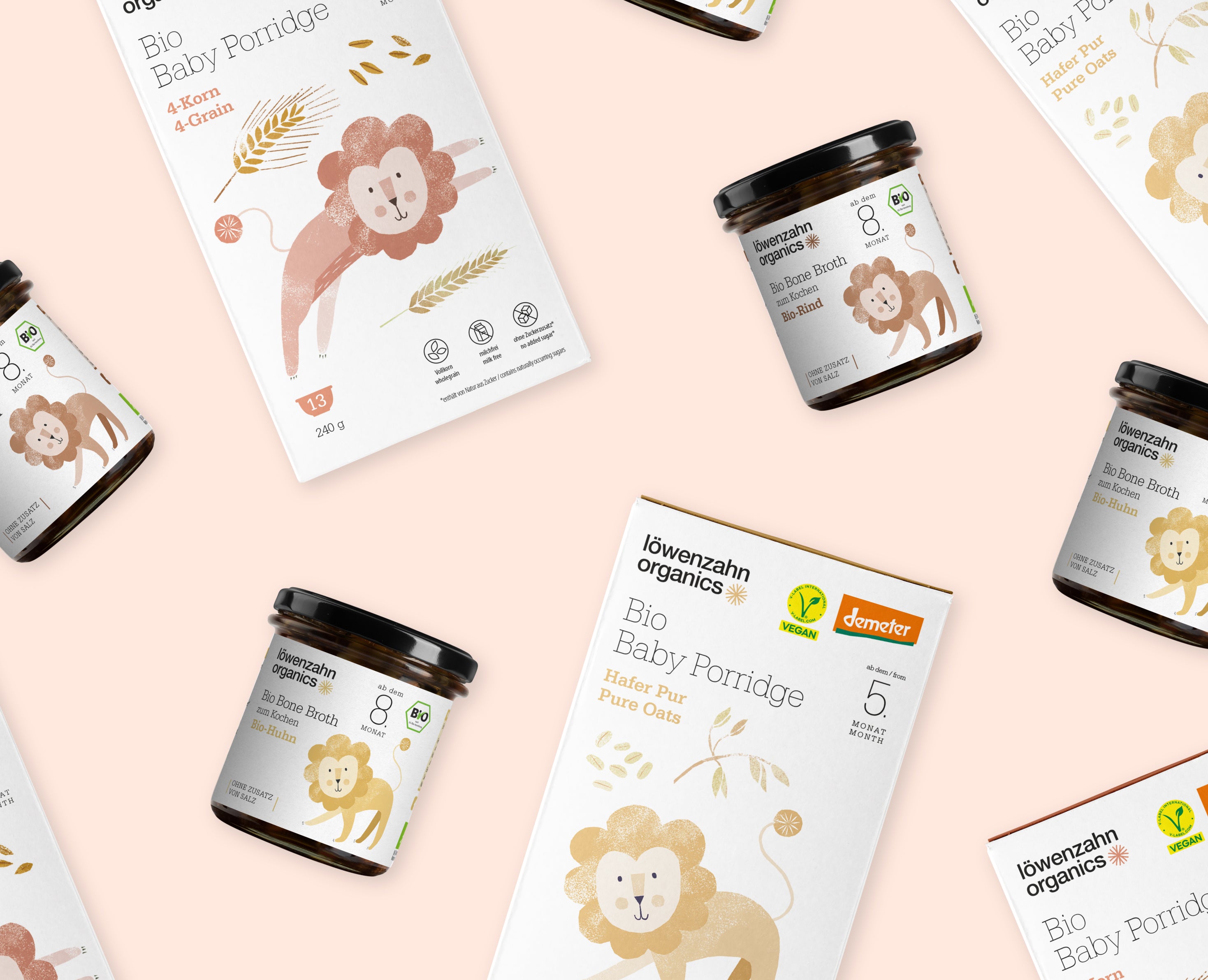
 Organic Bone Broth
 Beef
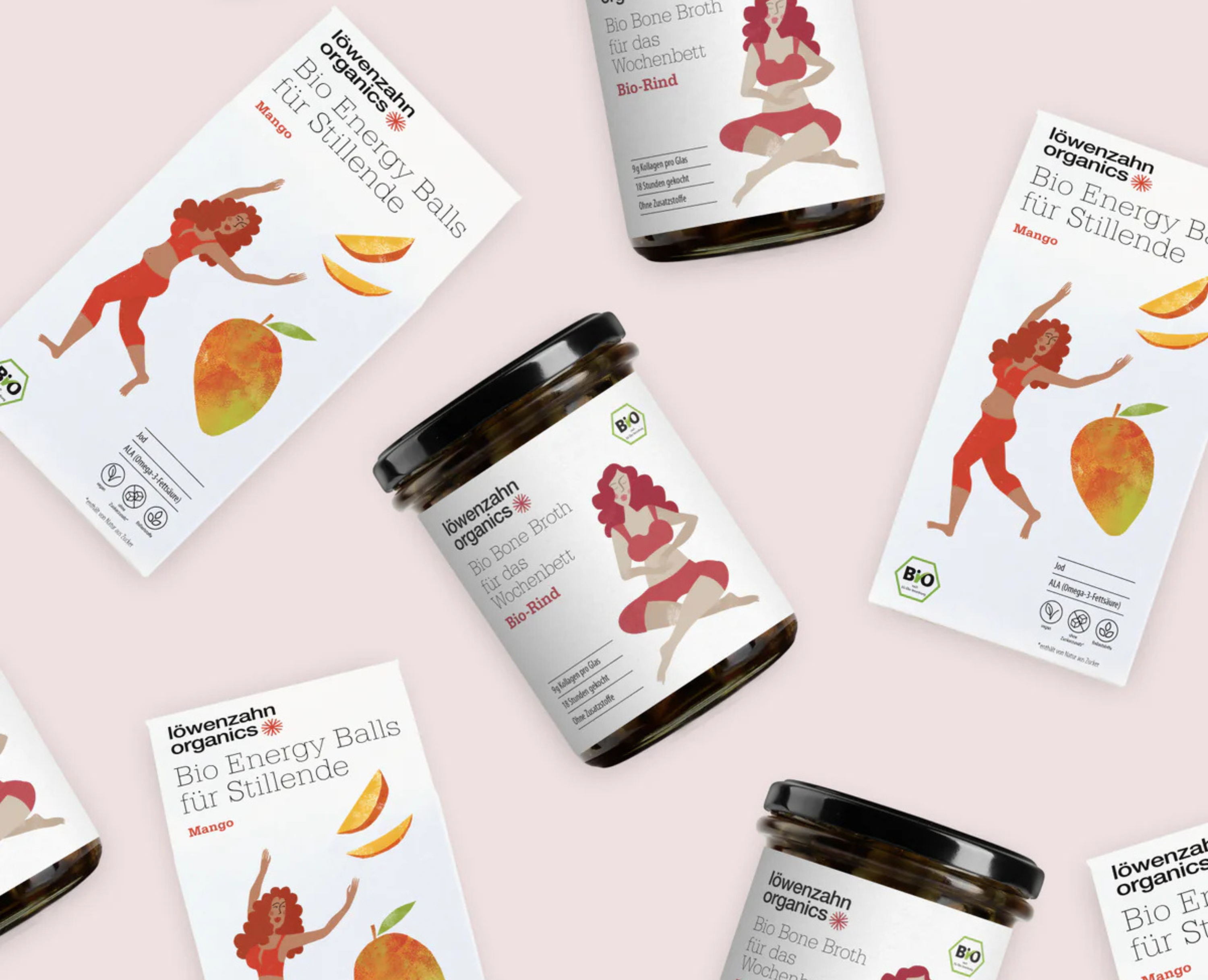
 For Moms
 Organic Energy Balls


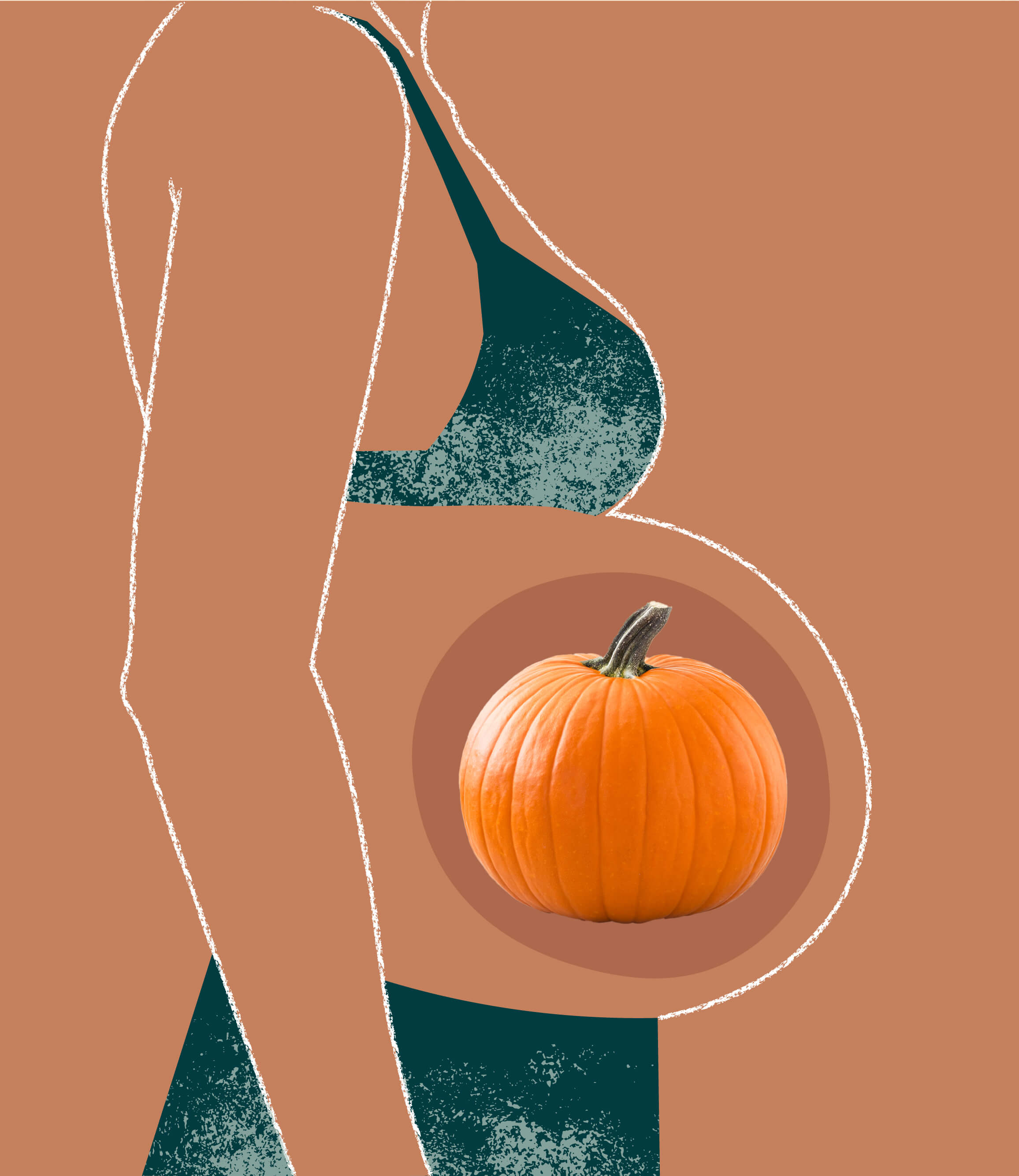
Third trimester of your pregnancy
Das letzte Trimester beginnt. Jetzt ist es gar nicht mehr so lange, bis du deinen Schatz im Arm halten kannst. In dieser Phase nähert sich die Schwangerschaft dem Ende und es finden weitere wichtige Entwicklungen statt. Noch ein paar Monate für dich, bevor sich deine ganze Aufmerksamkeit auf dein Baby richten wird. Versuche, ein bisschen Zeit für dich zu finden und Wellnesszeit einzuplanen. Das dritte Trimester der Schwangerschaft erstreckt sich von der 28. Schwangerschaftswoche bis zur Geburt.
Pssst... Hier geht es zurück zum ersten Trimester und hier zum zweiten Trimester deiner Schwangerschaft.
8th month of pregnancy / 28th–31st week of pregnancy
Your baby continues to grow and gain weight. A layer of fat develops under the skin to help regulate their body temperature after birth. You may feel the baby move more intensely as they have less room in the womb.
9th month of pregnancy / 32nd–35th week of pregnancy
Your baby continues to gain weight and can turn into a position to prepare for birth. Discomforts such as back pain, heartburn, and frequent urination may increase.
10th month of pregnancy / 36th–40th week of pregnancy
Your baby is now fully developed and ready for birth. It may drop into the pelvis, which can lead to easier breathing, but also to more frequent urges to urinate. You may feel contractions, which can occur as false labor or as a sign that labor is starting.
What symptoms occur in the third trimester?
During the third trimester, you are very likely to experience weight gain, water retention, and increased fatigue. It is important to maintain a balanced diet, as always, get enough rest, and listen to your body's needs.
What do I need to consider in the third trimester?
Think about your prenatal check-ups and talk to your doctor or midwife about birth plans and options. It is also important to learn about the signs and process of impending labor and to attend childbirth preparation courses. The third trimester is a time of anticipation and preparation for the baby's arrival. It pays to take good care of yourself, relax, and accept support from family and friends. Soon the moment of birth will arrive and the adventure of parenthood will begin.
Let's take a closer look at the developments from the 28th to the 40th week of pregnancy:
28th week of pregnancy
29th week of pregnancy
30th week of pregnancy
31st week of pregnancy
32nd week of pregnancy
33rd week of pregnancy
34th week of pregnancy
35th week of pregnancy
36th week of pregnancy
37th week of pregnancy
38th week of pregnancy
39th week of pregnancy
40th week of pregnancy
28th week of pregnancy
Size of the baby: 37.5 cm
As big as: a head of lettuce
Weight: 1 kg
Swollen legs and feet, back pain and and, and. Physical discomfort is completely normal in the third trimester. Mindfulness exercises and wellness services can help. Although your baby already fills your uterus, it can still move around and do somersaults.
Your baby is busy blinking these days – out there in the real world, blinking is necessary to keep foreign objects out of the eyes. This ability is just one of many tricks it is working on, such as coughing, sucking more intensely, hiccups and – perhaps most importantly: better breathing.
Are you already dreaming of your baby? Your baby might be dreaming of you too. Because the brainwave activity measured in a developing fetus shows different sleep cycles, including the rapid eye movement phase – the phase in which dreaming occurs.
By the way, around the 28th week of pregnancy, your baby takes the right position for birth, namely head down.
29th week of pregnancy
Baby's size: 39 - 41 cm
About the size of: a head of cauliflower
Weight: 1.1 - 1.4 kg
Gaining half a kilo a week on the scales is perfectly normal now. Have you signed up for a prenatal class yet? If your baby is born prematurely, they now have good chances of survival statistically.
Now that you are on the home stretch of your pregnancy (hooray!), your body is shifting into high gear. So, when it comes to practicing for the big day—the day of delivery. This means that you will probably feel Braxton-Hicks contractions a little more often (if you have already felt them). Talk to your doctor about how you can tell the difference between Braxton-Hicks contractions and real labor pains.
Tip: Stock up on nursing pads now. This is because a thin, yellowish fluid called colostrum may leak from your breasts—the nutritious pre-milk that will be your baby's first food. Colostrum contains more protein, but less fat and sugar than mature breast milk, making it easier for your baby to digest in the first few days after birth.
30th week of pregnancy
Baby's size: 41 cm
As big as: Broccoli
Weight: 1.4 kg
Your baby is growing. With a diet tailored to your pregnancy, you can provide yourself and your baby with all the important nutrients. Your breasts are also growing and deserve extra attention and care.
These days you might feel like you have a flamethrower in your esophagus. Digestive issues are among the most common (and annoying) pregnancy complaints. The same pregnancy hormones that cause the pelvic muscles to relax so that you can give birth to your baby also loosen the muscle ring that separates the esophagus from the stomach.
The result: food and digestive juices can travel from your stomach into your chest and throat - hence the infernal inferno. The growing uterus, which is now putting pressure on the stomach, only adds fuel to the fire.
Tip: Avoid spicy, fatty or fried foods, chocolate and tomato sauce. It is best to eat smaller meals and try to lie down a little more upright after eating. A tablespoon of oatmeal can also help. The oatmeal absorbs the stomach acid. This has helped one or two people with heartburn.

31st week of pregnancy
Baby's size: 41 cm
As big as: a coconut
Weight: 1.5 kg
Your body is slowly relaxing and becoming softer. The rounder your belly gets, the more your belly button protrudes. All of your baby's sensory organs are functional: touch, smell, taste, sight, and hearing are fully developed.
Your baby's brain is working overtime these days and developing faster than ever before. The connections between the individual nerve cells—there must be billions of them—are being formed at a rapid pace. It is now processing information, following light, and perceiving signals from all five senses.
Your baby probably can't smell very much yet, but it can likely smell and taste different foods that you eat through the amniotic fluid.
By the way, sex and orgasm can have an interesting effect on babies in the womb. Some are very calm when the pregnant woman has sex, while others become active, so they either rock rhythmically to sleep or wonder where the party is. Both reactions are completely normal and in no way indicate that your baby can sense what's going on. Enjoy your sex life as much as you want and for as long as you can. Soon it won't be so easy or convenient to jump into bed with a baby in the house.
32nd week of pregnancy
Baby's size: 41 - 43 cm
As big as: a cantaloupe
Weight: 1.6 - 1.8 kg
Just 62 days to go. And your baby is about to have another growth spurt. The skin around your belly button will stretch further, and your breasts may increase in size. Your baby is moving in a liter of amniotic fluid. It's time to get your baby's essentials ready.
During these final weeks, your baby is busy practicing and developing the skills it needs to thrive outside the womb: from swallowing and breathing to kicking and sucking. In preparation for this important transition to feeding by mouth, your baby's digestive system is getting ready for the start.
And although your due date is still weeks away, your baby looks more and more like a newborn: As fat builds up under the skin, it is no longer translucent, but opaque.
33rd week of pregnancy
Baby's size: 43 cm
As big as: Butternut squash
Weight: 1.9 cm
Halfway through the third trimester. Are you feeling out of breath more easily now? No wonder—the bigger your belly gets, the more short of breath you'll become. Your baby is probably pressing against your diaphragm. That's no reason to stop exercising. It's slowly becoming time to find a place to give birth, or have you already decided?
Given the hormonal changes, nighttime bathroom trips, leg cramps, heartburn, and basketball-sized belly, it's no wonder that sleep is hard to come by. About 3 out of 4 pregnant women suffer from insomnia in the third trimester. They may also be struggling with anxiety about the upcoming birth and thinking all night about their to-do-before-the-baby-comes list. Try making yourself comfortable with a cup of tea before bedtime, for example.
34th week of pregnancy
Baby's size: 43–46 cm
As big as: a pineapple
Weight: 2.3 kg
Your little Bambi now weighs around 2.3 kilograms. In the meantime, your uterus continues to grow (and grow). Your stomach is now positioned above the top of your uterus. Stomach acid can more easily rise into your esophagus, causing heartburn. By carefully testing things out, you'll discover which foods are not agreeing with you at the moment.
Your vision is probably not as good as it used to be. This is because your eyes are another part of your body that has fallen victim to those pesky pregnancy hormones—the same ones that are also affecting your digestive tract and ligaments.
Not only can your vision be blurred at this stage, but reduced tear production can also leave your eyes dry and irritated, especially if you wear contact lenses. You may find that wearing glasses instead of contact lenses is more comfortable now.
Your vision may also change throughout the breastfeeding period. This is very likely temporary, so there is no need to change your glasses prescription.

35th week of pregnancy
Baby's size: 46 cm
As big as: Spaghetti squash
Weight: 2.4 kg
Four weeks to go. Your body is in preparation mode: You may feel some Braxton Hicks contractions as your uterine muscles prepare for the big day. Your little one is moving into the birth position and making preparations such as building up body fat and brain matter. Time to pack your hospital bag.
One more thing that will remind you how far along you are in your pregnancy: frequent urination. Yes, it's a déjà vu of the first trimester, but this time it's not the pregnancy hormones to blame, but the position of your baby's head.
Now that your baby is lying head down in preparation for birth, its little head is pressing directly on your bladder. And as if that weren't enough, you may also experience an urgent need to urinate or lose control. This means that coughing, sneezing, or even laughing can cause an accident in your underwear.
Tip: When you go to the toilet, empty your bladder completely by leaning slightly forward while urinating. Panty liners can also be helpful. By the way, pelvic floor exercises can help prevent or relieve pregnancy-related incontinence.
36th week of pregnancy
Baby's size: 46 - 48 cm
About the size of: a bunch of kale
Weight: 2.7 kg
It's very likely that your joints will become more flexible in the last month (and ideally you'll have less pain in your pelvis), thanks to the right dose of hormones produced by your body. Your baby is now increasingly using its hearing and reacting to noises. It is also settling deeper into your pelvis.
By now, many of your baby's systems are quite mature and almost ready for life outside the womb. The circulatory system, for example, is perfect, and your baby's immune system has developed enough to protect against infections outside the womb. Other areas, however, still need the finishing touches. The digestive system is one such example, as it will only be fully mature after birth.
And why? In its little pregnancy cocoon, your baby has been nourished through the umbilical cord, which means that although the digestive system is developed, it is not yet functional. It will take the first one to two years to fully mature.
37th week of pregnancy
Baby's size: 48 cm
As big as: a Canary melon
Weight: 2.9 kg
At your next visit to your gynecologist, your cervix will probably be examined to see how far along you are. Meanwhile, your baby is developing special skills such as sucking their thumb and grasping, which they will demonstrate when they arrive.
You already know the benefits that massages have for the body and mind—but have you also heard of perineal massage? Yes, it sounds a bit uncomfortable and can also feel that way, but perineal massage can help gently stretch your perineum, the area of skin between the vagina and rectum. Regular massages can minimize the "stinging" that occurs when the baby's head emerges during birth. It can also help prevent an episiotomy and tears. Ask your midwife to explain how perineal massage works.
38th week of pregnancy
Baby's size: 48 - 51 cm
About the size of: a small watermelon
Weight: 3.2 kg
It's getting tight in your belly, and time is also running short until the due date. Unfortunately, the calculated due date cannot be relied upon in many cases. Your baby's lungs have become stronger and are preparing to make their entrance into the world. Take extra time now to prepare for the arrival of your baby with relaxation and breathing exercises.
Very important. Prepare meals for the time after birth. To avoid eating muesli every evening, you should plan ahead with the help of your partner, other relatives, and friends. Fill your freezer with individually packaged, easy-to-heat portions. Good candidates for the freezer are hearty soups, stews, and casseroles. Now is also the right time to find a few good snack bars, if you haven't already done so.
39th week of pregnancy
Baby's size: 48 - 53 cm
As big as: Honeydew melon
Weight: 3.2 - 3.6 kg
In the 39th week of pregnancy, you should pay attention to signs of labor. It's high time to pack your hospital bag, if you haven't already done so. Your baby has very likely reached its birth weight and is waiting for its big debut to enter the world.
You probably feel increasingly uncomfortable. After all, you have to carry your ever-heavier uterus and its contents around with you. The Braxton-Hicks contractions are probably increasing in intensity and frequency - and that's a good thing, because it means that your body is preparing for the big event.
Before labor begins, you probably have the following signs: diarrhea, lower back pain, calmness, nesting instinct, muscle tremors, and nausea.

40th week of pregnancy
Baby's size: 48 -56 cm
As big as: Pumpkin
Weight: 3.2 - 41 cm
You are not alone if you have passed your due date. About 1 in 3 pregnancies reaches the 41-week mark, and that is usually perfectly fine! Your little one is fully prepared for life outside the womb.
Did you know that the water breaking before labor starts only happens in about 15% of women? Usually, labor starts first, so you have enough time to get to your chosen place of birth and inform all the important people such as your partner, midwife, etc. And if your water breaks before labor starts, you can rely on the following: Labor will probably start seriously within 24 hours. Either that, or your midwife or doctor will induce it for you within 24 hours.
Don't be afraid of birth: Mother Nature knows how it's done, and most newborns are quite well adapted to the size of their mothers. And your vagina also knows what to do - it stretches considerably during birth and then miraculously tightens back up. You have prepared well for birth.
Read more…
Which place of birth is right for you
Or go back:
The second trimester of your pregnancy
The first trimester of your pregnancy
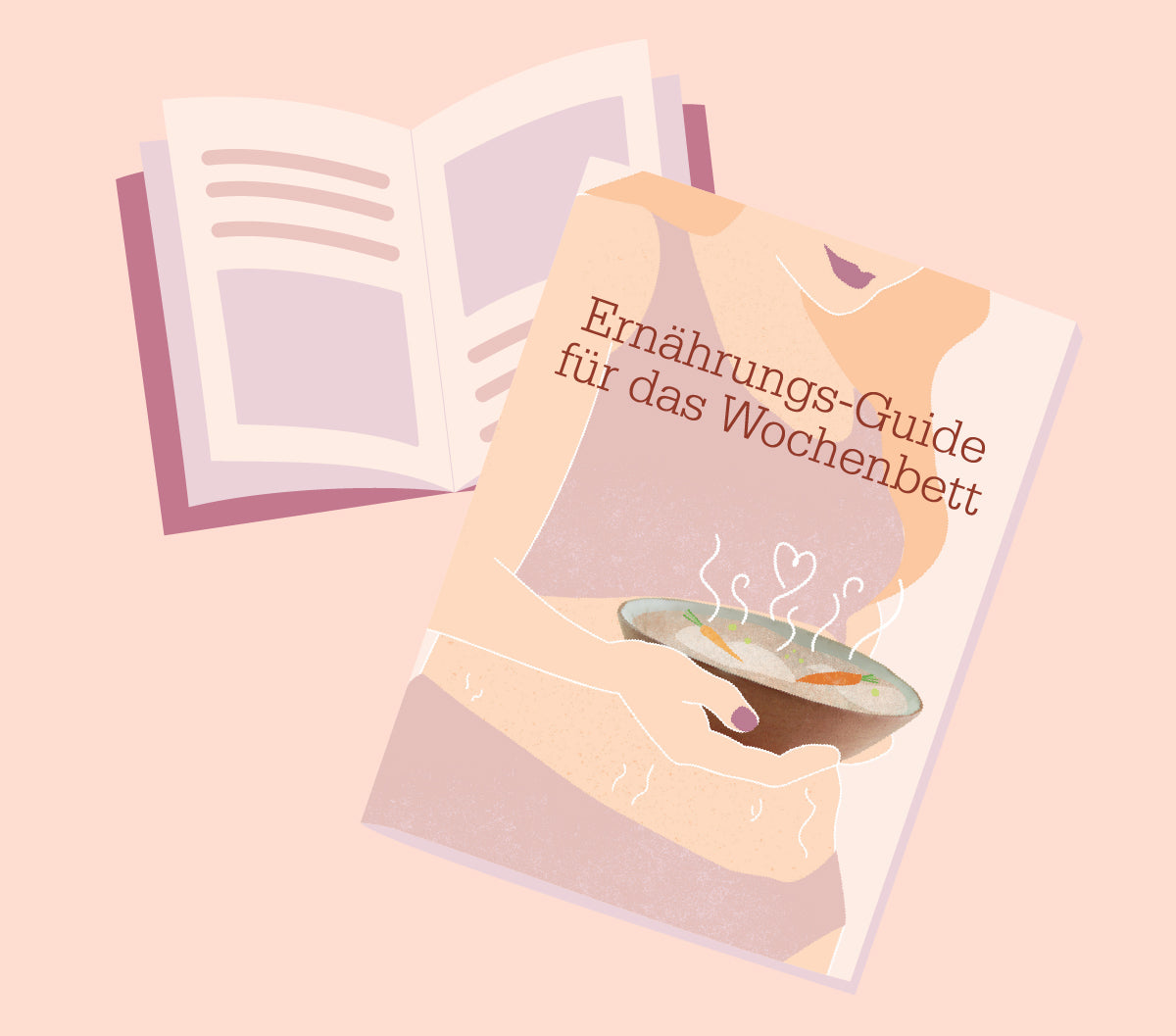
Well nourished through the postpartum period
TO THE FREE GUIDERelated Articles
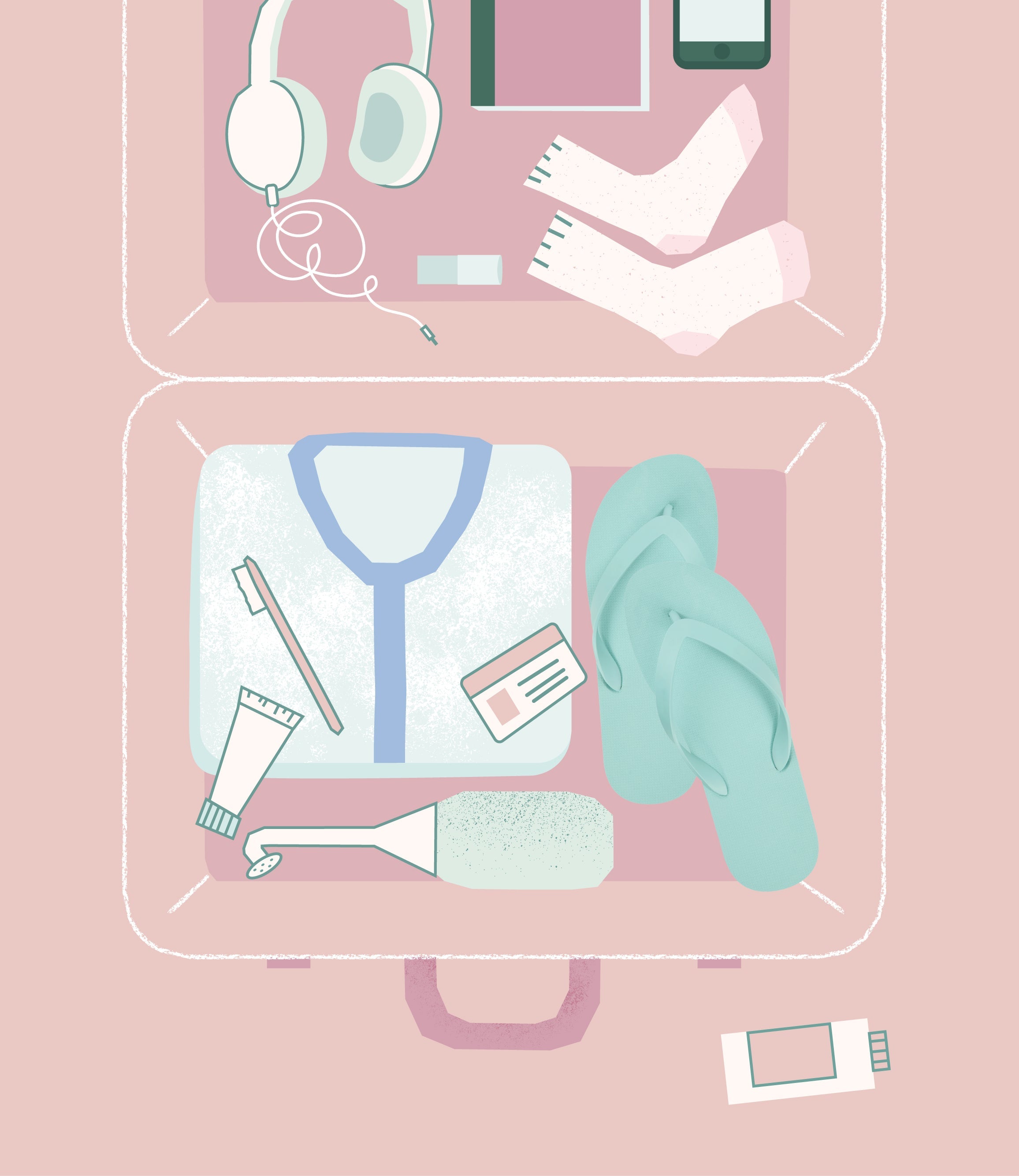
What belongs in your hospital bag for childbirth and what you're better off leaving at home
Get useful tips for your hospital bag and pack only what you really need.
Birth as a Rite of Passage: Interview with Doula Shanay
Doulas serve women and attend the sacred rite of passage of birth, bringing knowledge, growth, and discovery.
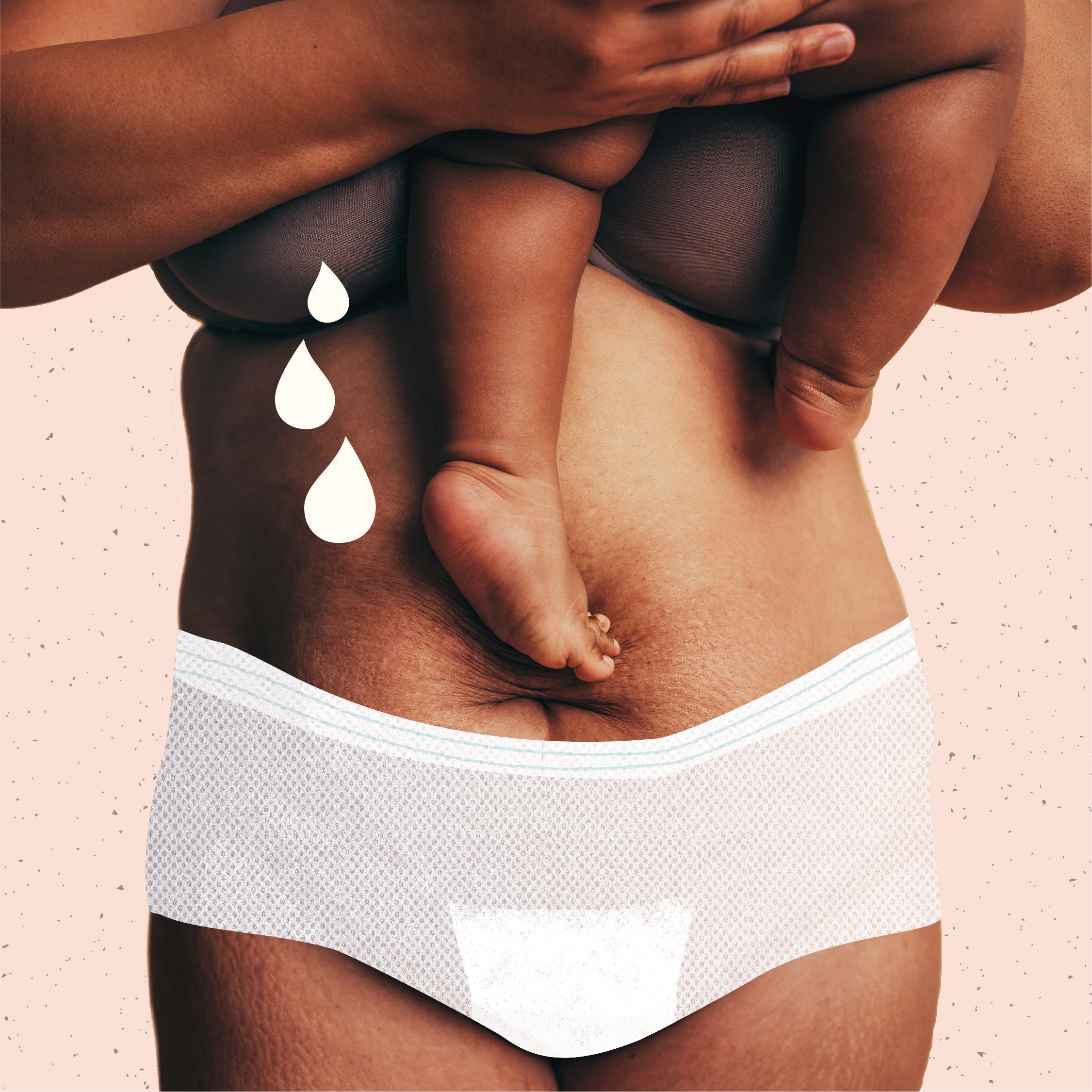
12 things no one told you before about postpartum
The magical, exhausting and simply unique time in the postpartum period is so incredibly important and unfortunately can often be neglected.