


 Organic Baby Formula Original
 Follow-On Milk 6+
 Follow-on milk
 Organic Infant Formula from Whole Milk
 Follow-on Milk
 Organic Infant Formula from Goat's Milk
 Follow-On Milk
 Organic Bone Broth
 Beef
 For Moms
 Organic Energy Balls
 for nursing mothers


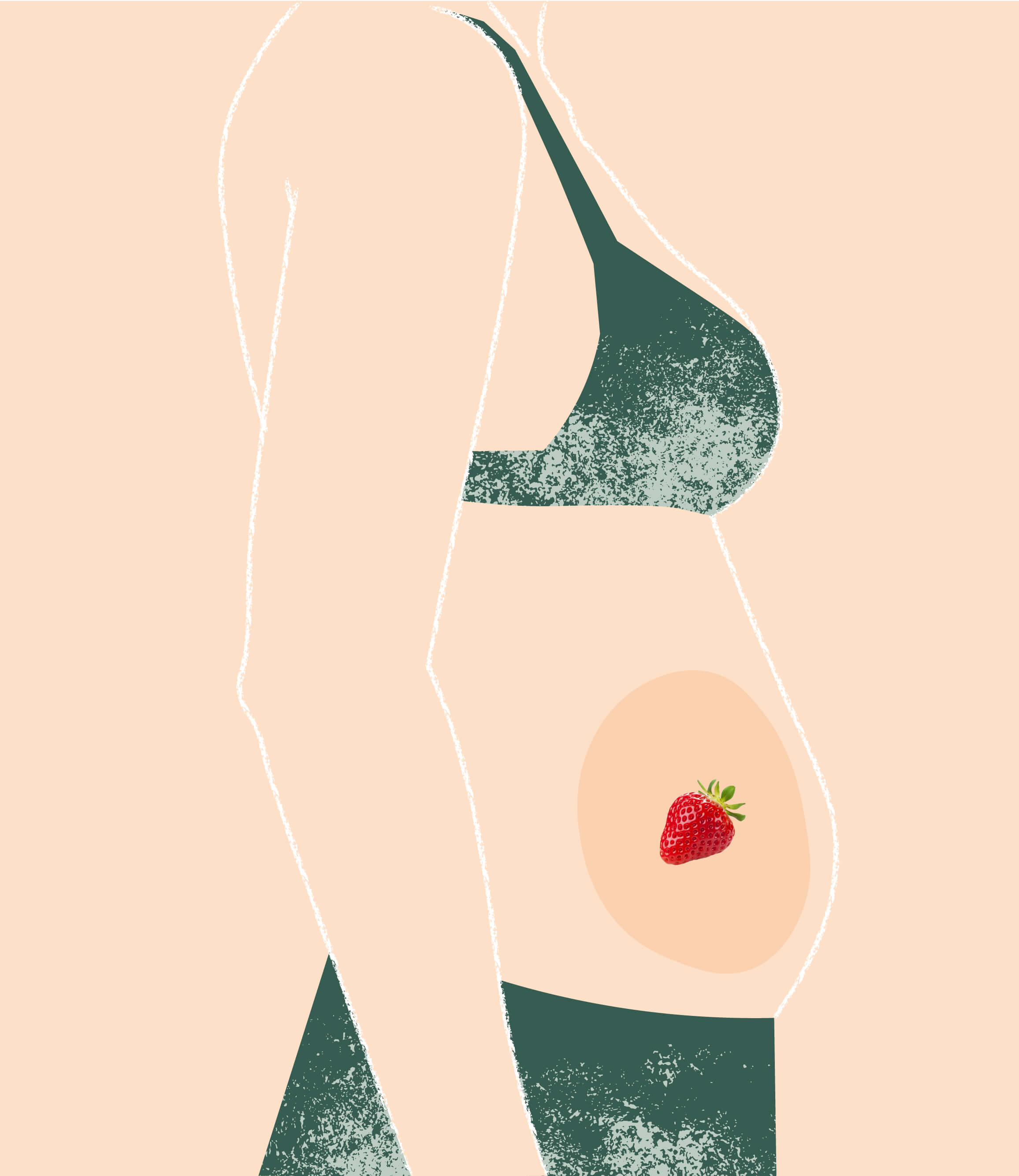
First Trimester of Your Pregnancy
The first trimester - a magical beginning full of emotions. You feel deep joy and excitement, but fears and uncertainties also mingle in your heart as your body adjusts to the changes. The first trimester of pregnancy covers the first 12 weeks, that is, the first three months.
Psst... Here is the way to the second trimester and here to the third trimester of your pregnancy.
SIDE NOTE on the first 1,000 days: Scientists in the field of child and adolescent medicine repeatedly emphasize the importance of the first 1,000 days. A prominent representative is Prof. Dr. h.c. med. habil. Berthold Koletzko. The period between conception and the end of the second year of life is a crucial window of opportunity for children's futures. This is when you need nutritious food, healthcare, medical treatment, and much more the most. No need to worry, you can do it! We support you however we can with organic maternal and baby food.
First month of pregnancy / weeks 1–4 of pregnancy
Fertilization of the egg by the sperm takes place. It then travels to the uterus and implants itself there. What a miracle! Some women are already feeling early signs of pregnancy now, such as mild cramps caused by implantation and tender breasts.
Second month of pregnancy / weeks 5–8 of pregnancy
The embryo develops rapidly. Organs such as the heart, brain, and spinal cord form. During this time, pregnancy symptoms such as nausea, tender breasts, and fatigue may occur.
Third month of pregnancy / weeks 9–13 of pregnancy
The embryo continues to develop and becomes a fetus. The fingers and toes take shape, the sex organs develop, and the baby begins to move, although you may not be able to feel this yet. The pregnancy belly slowly starts to grow.
What symptoms occur in the first trimester?
Nausea and vomiting, also known as "morning sickness", are common complaints. Hormonal changes can lead to mood swings, fatigue and tender breasts.
What do I need to consider during the first trimester?
It is important to maintain healthy habits during the first trimester. This includes a balanced diet, as well as taking prenatal vitamins to meet the nutrient needs of the growing baby. You can continue exercising, such as doing Pilates, swimming, and yoga. Only extreme sports and combat sports should be avoided.
Regular doctor visits and check-ups should be carried out to monitor the baby's development and detect possible complications early.
The first trimester is an exciting but also demanding time for you. It is important for you to listen to your own body, get enough rest and sleep, and seek support and information from medical professionals if needed.
Let's take a closer look at the developments from the 1st to the 13th week of pregnancy:
1st-4th week of pregnancy
5th week of pregnancy
6th week of pregnancy
7th week of pregnancy
8th week of pregnancy
9th week of pregnancy
10th week of pregnancy
11th week of pregnancy
12th week of pregnancy
13th week of pregnancy
Weeks 1-4 of pregnancy
Size of the baby: The embryo is super small
About the size of: Poppy seeds
While you don't yet know if you are pregnant, your little miracle has already found its home: The blastocyst, which is a 5 to 6-day-old embryo with a complex cell structure consisting of about 200 cells, has completed its journey from the fallopian tube to the uterus. There, it burrows into your uterine lining and implants itself – thus creating an inseparable bond that will hold for the next few months (and for a lifetime after that).
By the way, the cluster of cells divides into two “groups”. One half becomes the embryo, while the other half becomes the placenta. The placenta, or colloquially the “mother cake”, is the lifeline of your baby. Until birth, it passes on nutrients and transports away waste products.
By the way: The day of conception is important for the development of your baby. Because the first 1,000 days begin from conception.
Although the first few weeks of your pregnancy may seem quiet at first glance, your body is already working at full speed to lay the foundation for the coming miracle. It is only in the fourth week that you will really feel noticeable changes.

5th week of pregnancy
Size of the baby: The embryo is super small
About the size of: An orange seed
Time can fly. In the 5th week of pregnancy, you are already in the second month of your pregnancy. During this week, you can officially take a pregnancy test. Your hCG hormone level is high enough to show a positive result. You feel a pulling and pinching sensation in your lower abdomen, and your breasts are often tight. Your baby is now about the size of an orange seed.
In addition, the baby's umbilical cord is forming at this stage: This is particularly important for blood flow from the mother's womb to the child, as well as for nutrient supply and oxygen delivery.
In the 5th week of pregnancy, large amounts of hormones are produced, which are immediately chemical signals and cause physical changes:
- Estrogen ensures that progesterone and hCG levels remain at the right level.
- Progesterone maintains the function of the placenta, prevents the contraction of the smooth muscles of the uterus, and stimulates the growth of breast tissue.
- hCG supports the corpus luteum until the placenta takes over in about 10 weeks and regulates the necessary amount of progesterone.
6th week of pregnancy
Size of the baby: 0.51 - 0.64 cm
As big as: a pea
In the 6th week of pregnancy, your breasts are very likely to make their presence known. They will get larger, and the areolas will also change in color and shape. Your little miracle continues to grow. No bigger than a pea, your baby's intestines, liver, and stomach are slowly developing. An active and healthy lifestyle is important for your health and that of your little pea. If you would like to live a healthier lifestyle, now is the right time to start taking it one step at a time.
During pregnancy, frequent urination, heartburn, and digestive problems can occur. This is due to the effects of pregnancy hormones and the growth of the uterus.
You can reduce the risk of heartburn by avoiding certain foods, such as fatty and spicy dishes, eating your meals slowly, wearing comfortable clothing, and avoiding eating before bedtime.
To reduce frequent urination, you can lean forward when urinating and make sure that your bladder empties completely. Nevertheless, it is important to drink enough water.
Tip: Our power broth for moms-to-be contains collagen, which can support your connective tissue even during your pregnancy.
7th week of pregnancy
Size of the baby: 0.64 cm
As big as: Blueberry
Maybe you are one of the lucky 15% of pregnant women who do not suffer from nausea and fatigue. If not, then hang in there a little longer, we know how exhausting this phase can be! Your metabolism increases and your heart rate accelerates. Your embryo begins its first uncontrolled twitches.
Even though your baby is the size of a blueberry, your breasts probably look huge to you. Some women have already gone up a whole cup size in the 7th week of pregnancy - which would be good news if their breasts were not so uncomfortably soft and painful. The culprits? Once again, it is those evil but necessary pregnancy hormones, estrogen and progesterone.
In addition, fat accumulates in your breasts, and blood flow in this area increases. Your nipples may stand out a little more than usual, but they are so sensitive and tender that they can hurt when touched.
The areola, the dark area around the nipple, has already become darker and larger - and will continue to grow and darken in the coming months. You will also notice small goosebump-like spots on the areola. These bumps, called Montgomery's tubercles, are sebaceous glands that keep the areola moist.
And if you are wondering why all these changes are happening, here is the answer: They are all important for the important task of breastfeeding your newborn in about 33 weeks!
8th week of pregnancy
Size of the baby: 1.27 cm
As big as: a raspberry
You are getting out of breath much faster than usual now. Some of the oxygen you breathe in is diverted to your embryo. Slowly, the little head is straightening up and it is beginning to stretch – but it is still completely boneless. Pay attention to a balanced diet, exercise, relaxation and rest, and of course, avoiding stress. To stay hydrated, drink plenty of water.
By the way, when you look closely at your little raspberry, you will notice that it no longer looks so reptilian, but rather like a baby with lips, a nose and eyelids.
The volume of amniotic fluid is increasing and the uterus is expanding to accommodate the growing tenant. All this growth is also exciting for your baby; the tiny trunk and limb buds are now twitching and making spontaneous movements.
Information box on antenatal check-ups: In total, there are three ultrasound examinations that count as routine check-ups during pregnancy: from the 9th to 12th week of pregnancy, from the 19th to 22nd week of pregnancy, and from the 29th to 32nd week of pregnancy. These examinations are always voluntary. You will receive an information sheet about this from your gynecologist.
9th week of pregnancy
Size of the baby: 2.54 cm
As big as: Olive
Those around you won't be able to tell yet, but you notice that your belly has gotten bigger. Your embryo is taking on its first human features, and your first ultrasound may be performed at the doctor's office (weeks 9 to 12). Gulp. And once again, your heart beats faster.
The first two routine check-ups take place during weeks 9 to 12 of pregnancy. These are performed by your gynecologist. A pregnancy test will be done, an ultrasound, and your overall health will be checked.
Do you want to know why you're always so tired? Your body's metabolism and hormone levels have changed significantly, which can lead to a drop in blood sugar and blood pressure, which in turn causes fatigue. But don't worry! Your energy levels will rise again in the second trimester, and morning sickness will subside, but fatigue will likely increase again in the third trimester, as the demands on your body increase due to the larger fetus.

10th week of pregnancy
Size of the baby: 3–4 cm
About the size of: A dried plum
Wow, in the 10th week of your pregnancy, you are already in your third month. You still have six months ahead of you, during which you will observe many changes.
So, either your hair is now fuller and shinier and your skin looks better than before, or the exact opposite is true. How your body reacts can become one of the many emotional challenges of your pregnancy. You can do this! From now on, you can refer to the baby in your womb as a fetus rather than an embryo.
This week, your baby has completed its development from an embryo to a fetus and is now growing very quickly. It is almost 1.5 cm long and is about the size of a plum. The bones and cartilage are forming, and knees and ankles are developing from the small indentations in the legs. Your baby's arms are also taking shape and can already bend. It is important to remember that all these changes are still very small and will not be visible for several more months.
11th week of pregnancy
Size of the baby: 4 cm
About the size of: a strawberry
Weight: 7 g
Now you might hardly be able to wait to finally show off your bump! You feel as though you have a huge secret and can hardly wait to finally reveal it. From the third month on, you can decide on your own or with your partner whether you or you both want to make it public or would rather wait another week.
You get out of breath even more quickly and feel thirstier. The reason: your blood volume is increasing and your baby is using up the oxygen for itself. For your baby, the rib cage closes, the skin thickens, and it grows nails. Treat yourself to 15-minute relaxation breaks every now and then.

12th week of pregnancy
Size of the baby: 5 - 6 cm
About the size of: a lime
Weight: 14 g
At 12 weeks, your baby is about 5 to 6 cm long from crown to rump, similar in size to a lime. It is amazing how quickly your little miracle has grown in the last three weeks.
Are you having hunger pangs? There is a simple explanation for that. Your baby constantly needs glucose and other nutrients. It may already be yawning and sucking on its fingers.
At your next check-up, you may be able to hear the fetal heartbeat, which will probably be a very emotional and exciting moment for you. Bring tissues!

13th week of pregnancy
Size of the baby: 8 cm
As big as: Kiwi
Weight: 28 g
You still have 6 months ahead of you. Is your belly unusually large and the buttons on your favorite jeans no longer fasten? Could it be that you are having twins? This is especially possible if there have been fraternal twins in your family or if you are over 35 years old. Or have you undergone artificial insemination? By the way, the gene for twin births is only inherited from the mother's side.
But there are also other, more likely explanations for an oversized belly in this week of pregnancy. For example, it could be that your due date was calculated incorrectly and you are not actually in the 13th week of pregnancy. Or maybe it's just bloating. Or did you take the saying "Eating for Two" too literally? It is actually the nutrient requirements that increase during pregnancy, not the general need for more food.
It is best to speak with your gynecologist at your next appointment.
Continue with the...
second trimester of your pregnancy
third trimester of your pregnancy
Or ...

Expert tips for your diet during the postpartum period
TO THE FREE GUIDERelated Articles
Birth as a Rite of Passage: Interview with Doula Shanay
Doulas serve women and attend the sacred rite of passage of birth, bringing knowledge, growth, and discovery.
Tick-tock... have the first 1000 days already begun?
What children eat in the first two years of their life impacts their health for a lifetime. So start looking into this topic today.

8 Common Pregnancy Complaints and How to Deal with Them
Pregnancy is magical, isn't it? Not really.


