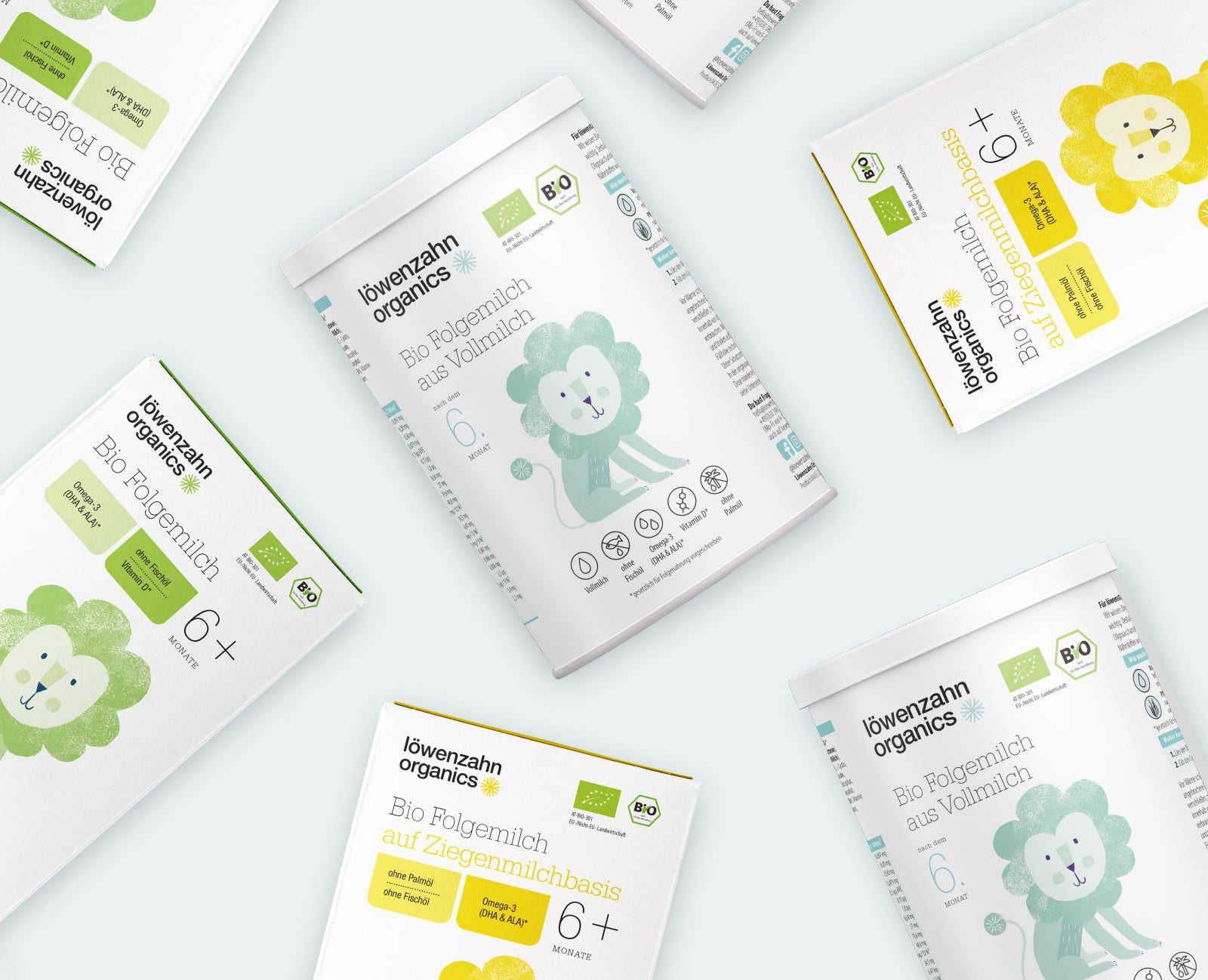
Organic Baby Formula Original
 Follow-On Milk 6+
 Follow-on milk
 Organic Infant Formula from Whole Milk
 Follow-on Milk
 Organic Infant Formula from Goat's Milk
 Follow-On Milk
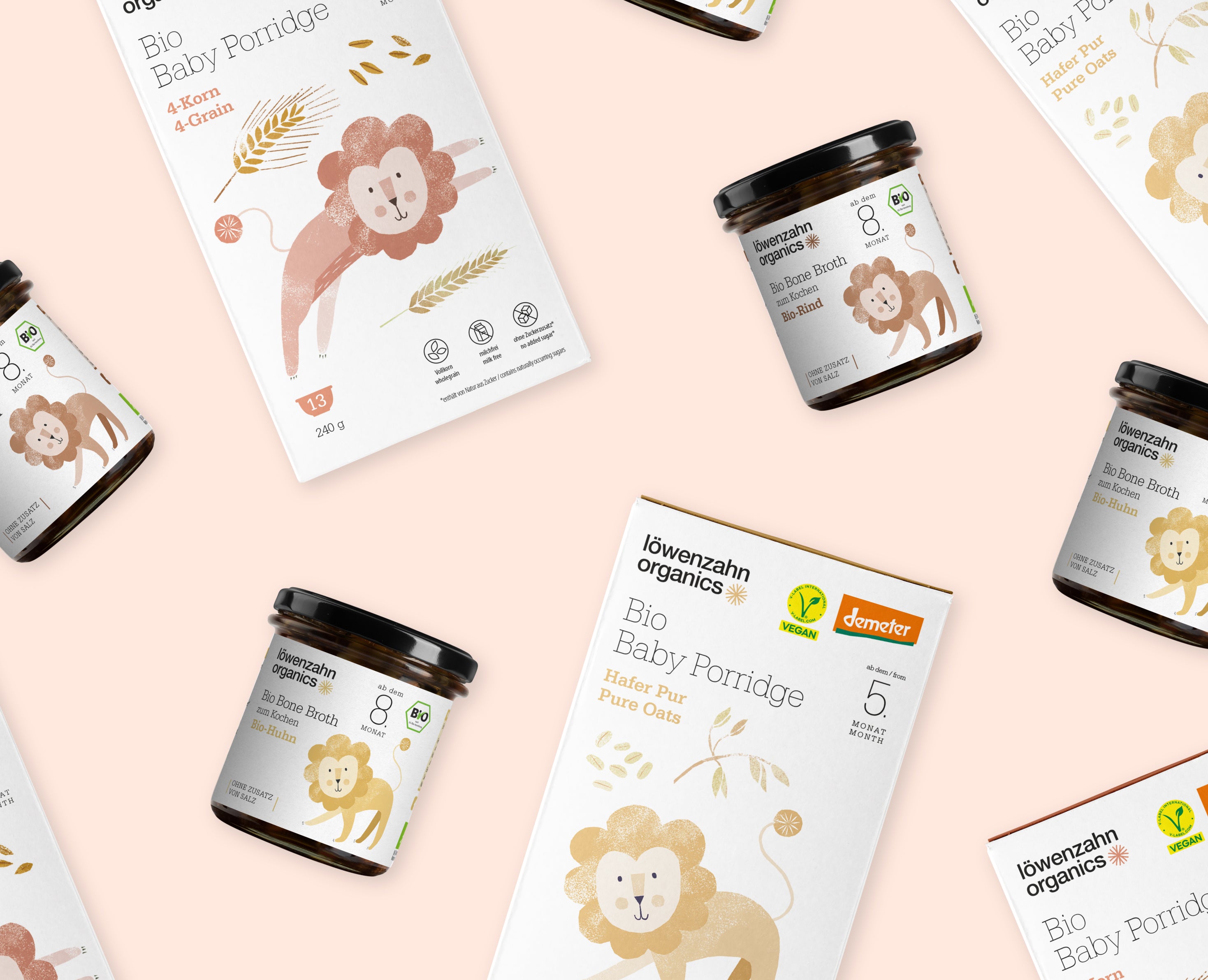
 Organic Bone Broth
 Beef
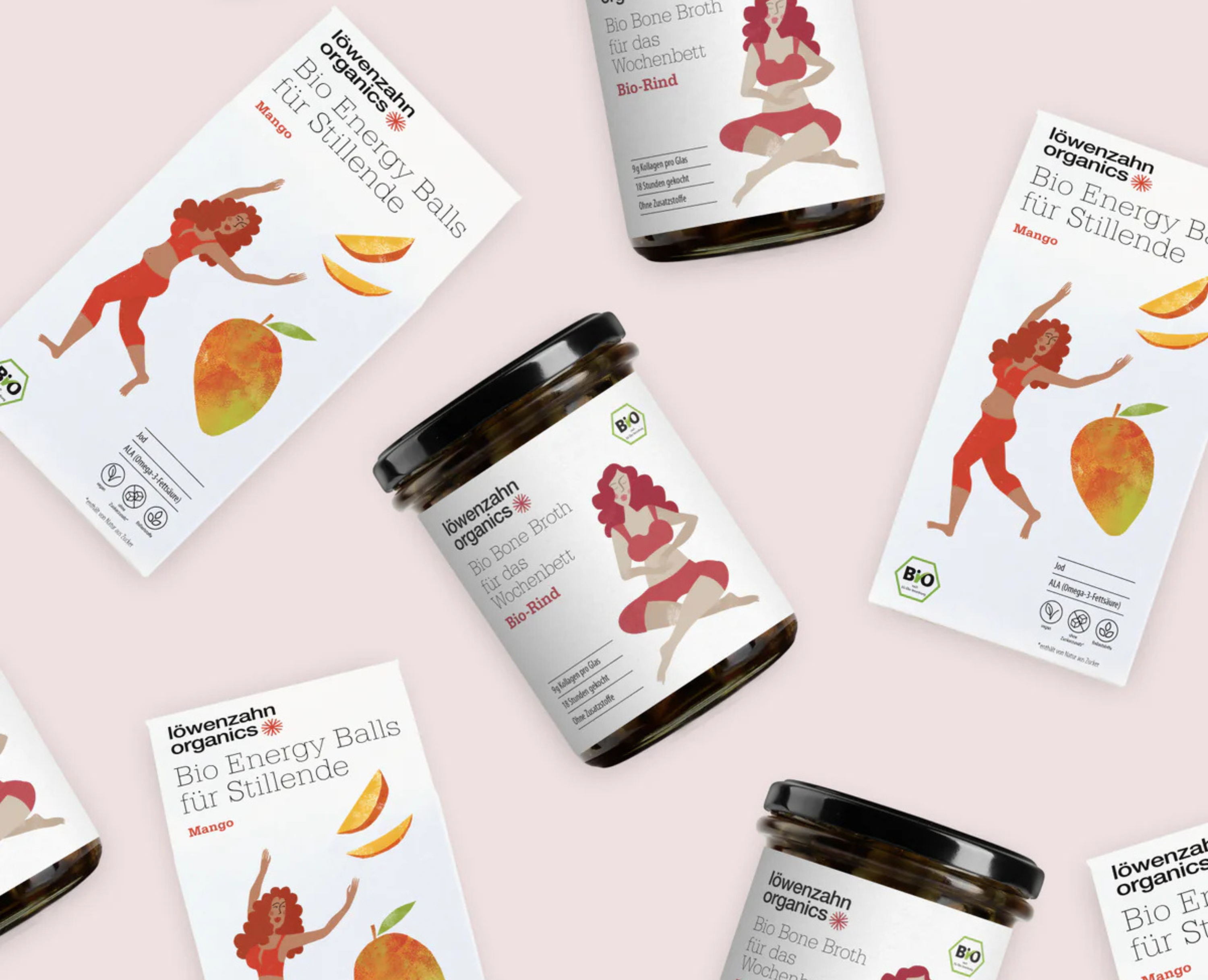
 For Moms
 Organic Energy Balls


What Really Matters: Expert Tips for Pregnancy, Birth, and Postpartum
Ist es nicht spannend, dass wir Mamas bereits viele Monate vor der Geburt Babybetten aufbauen, Zimmer streichen, Strampler einkaufen und Babypartys feiern, aber unserem eigenen Körper nicht ganz so viel Aufmerksamkeit geben? Natürlich nehmen wir Folsäure und verzichten auf übermäßigen Kaffeekonsum, aber was ist mit körperlicher Vorbereitung auf Schwangerschaft, Geburt und Wochenbett? Ein Marathonläufer bereitet sich schließlich auch intensiv vor, oder nicht? Gemeinsam mit unserer Expertin Anne Fechner beleuchten wir, was wir Frauen tun können, um uns bestens für Schwangerschaft, Geburt und Wochenbett vorzubereiten und uns vor Erschöpfungsdepressionen und Mama Burnout zu schützen.
-
What, there’s more than just folic acid?!
-
What happens in our bodies during the different stages of pregnancy, childbirth and the postpartum period
-
How long do pregnancy and the postpartum period last?
-
Overview of the most important nutrients for pregnancy, childbirth and the postpartum period
-
How we mothers can prevent postpartum depression during pregnancy, childbirth and the postpartum period
-
Fully supported: Your guide to nutrients during pregnancy and the postpartum period
-
What do I really need? 10 products for pregnancy, childbirth and the postpartum period
1 - What, there’s more than just folic acid?!
First visit to the gynecologist. "Congratulations, you're pregnant. Please take folic acid." In fact, many women have this experience and feel well-informed that taking folic acid is beneficial. All clear. Surprisingly, however, that was the end of it when it came to women's health. Society tends to focus more on "What a woman must not do" and on the baby. Many people ask, "What should I not eat during pregnancy?" and indeed, there are long lists of what should be avoided. It's obvious: no alcohol, not too much coffee, be careful with salad, no raw fish, and a few more things. But why is there no guide on what we can do to benefit our bodies? What should I consume more of and what should I pay attention to so that my body is prepared for the intense demands? We at Löwenzahn Organics passionately pursue this question as a team. We are mothers ourselves and know how important it is to be supplied with good nutrients to successfully complete the mom marathon in good health.
“Of course mothers are exhausted. As a society, we pay far too little attention to providing mothers with the right nutrients. That’s like sending a marathon runner into her first 42-kilometer race without any preparation and without water.”
- Anne Fechner, nutritionist at Löwenzahn Organics and mother of two
2 - What happens with our bodies in the different phases
We women perform miracles. It sounds cheesy, but it’s true. Our bodies go through an exciting, beautiful, but also demanding phase of life during pregnancy, childbirth, and the postpartum period. During pregnancy alone, we need 50,000 calories (source). Our bodies need nutrient-dense foods to nourish the baby, recover after birth, produce breast milk, and maintain our own health. Producing breast milk consumes 25% of the body’s energy; the brain, by comparison, uses only 20% (source).
During the various stages of trying to conceive, pregnancy, the postpartum period, and breastfeeding, it is important to provide the body with the right nutrients. Here are the most important nutrients needed at each stage:
Desire for a child
To optimally prepare the body, it is important to eat a balanced diet. The following nutrients play a particularly important role:
- Folic acid: ideally 800 µg per day to prevent neural tube defects. Sources: leafy green vegetables, citrus fruits, beans.
- Iron: Important for the formation of hemoglobin. Sources: red meat, poultry, fish, beans, tofu.
- Omega-3 fatty acids, especially DHA: important for the development of the baby's brain. Sources:: fatty fish (e.g. salmon), algae oil
Pregnancy
During pregnancy, nutrient requirements increase to support the development of the fetus.
- Folic acid: 800 µg per day during the first trimester, then 400 µg per day. Still important for preventing neural tube defects. Folic acid contributes to the growth of maternal tissue during pregnancy.
- Iron: to support the increased blood volume and oxygen transport. Calcium: important for the baby's bone development. Sources: dairy products, green leafy vegetables.
- Protein: About 70 g per day, for the growth of the baby's tissues and organs. Sources: meat, fish, eggs, dairy products, legumes, tofu
- Iodine: Essential for the production of thyroid hormones and for normal skin.
- Vitamin D: Supports the absorption of calcium and is involved in various processes in the body, such as cell division and the function of a normal immune system. Sources: fatty fish
- Omega-3 fatty acids: Maternal intake of DHA during pregnancy contributes to the normal development of the fetus's eyes and brain. Sources: fatty fish, algae oil
Postpartum period
After birth, the body needs nutrients to heal and regenerate.
- Protein: Supports tissue repair and breast milk production.
- Collagen: to support wound healing, regeneration, and gut health. Source: bone broth
- Iron: To compensate for blood loss during childbirth.
- Vitamin C: Improves iron absorption and contributes to normal collagen formation. Sources: citrus fruits, berries, bell peppers.
- Folic acid: Still important for various processes in the mother's body: plays a role in cell division, contributes to normal blood formation and normal immune system function.
- Fiber: Fiber is particularly important after birth. Fiber helps keep stools loose and soft. Sources: whole grains, legumes, dried fruit, fresh fruit and vegetables
Lactation
During breastfeeding, nutrient requirements are increased to support breast milk production and the baby's development. The following nutrients are particularly important:
- Protein: About 70 g per day to support milk production.
- Calcium: for the maintenance of normal bones and teeth. Sources: dairy products, green vegetables (broccoli, kale, spinach and fennel)
- Omega-3 fatty acids: DHA remains important, about 200-300 mg per day. ALA (alpha-linolenic acid) helps maintain normal blood cholesterol levels.
- Iodine: For normal energy metabolism and normal skin.
- Fluids: Drinking enough water and tea is important (about 2-3 liters per day) to support milk production.
What many people do not know: During breastfeeding, the additional calorie requirement is as high as it is at the end of pregnancy. The German Nutrition Society (DGE) recommends an additional 250 kcal per day from the second trimester and 500 kcal per day from the third trimester and during breastfeeding. At the same time, the requirement for vitamins and minerals also increases. The mother's reserves are used when intake through diet and/or dietary supplements is insufficient.
3 - How long do pregnancy and the postpartum period actually last?
Common wisdom says that a pregnancy lasts 9 months. However, if you look at the exact calculation, a pregnancy lasts 40 weeks, which means 10 months (Source). By definition, the postpartum period lasts 6 weeks, but the latest studies show that a human body that has produced and given birth to another human life needs at least exactly as long to recover as the baby was in the womb, i.e. at least another 10 months (Declercq et al 2013). At Löwenzahn Organics, we deliberately say “Postpartum does not end after 6 weeks,” because postpartum is a new chapter in life. A new life begins, and it is not just a baby being born, but also a new mother. We adapt to a new role, we find our groove as a family, sleep changes, and our relationships with others evolve. There is so much we women can do to prepare our bodies for the extraordinary demands of pregnancy, the postpartum period, and childbirth. This needs more visibility, and that is what we at Löwenzahn Organics passionately care about together with our experts.
“As a nutritional scientist, I find it completely baffling that our society pays so little attention to mothers’ health. Mothers create life, bring children into the world, and nourish them—they need proper support.”
- Anne Fechner, nutritionist at Löwenzahn Organics and mother of two
4 - How we mothers avoid postpartum depression and mom burnout during pregnancy, childbirth, and the postpartum period
By now, burnout has gained visibility in society, and there is a more open attitude towards the condition. The condition is particularly well known in the context of management professions. “My colleague is out for several months and no longer comes into the office,” is something some of us know, and by now scientists and medical professionals agree: people need periods of rest—both physically and mentally—to stay healthy. When we are constantly in fight-or-flight mode, it makes us tired and, over time, ill. Nutritionist Alina Drozdowska also points out that malnutrition is typical among patients with burnout and that chronic stress depletes nutrients (Source).
Well, and what about the 80-hour week of a top manager compared to a mom’s 110-hour week?! It’s nothing. We don’t want to overdo it, but if we’re honest: being a mom is a tough management job with a high workload, few breaks, and sometimes a lack of appreciation. The to-do lists are long, the piles of laundry are endless, and during the toddler phase, it is practically impossible to prevent chaos. There is always something lying around, always something that needs to be bought. Take out the trash, put away the laundry, put away the groceries, plan a birthday party, sort through clothes. “Do we still have a sun hat in size 86, and if so, where is it?!” Welcome to the never-ending hamster wheel, where well-meaning tips like “Oh come on, just relax” simply don’t help. Social isolation adds to this. Friendships change, we may no longer have as much time and energy as we used to, we have to cancel plans, and we miss out on that important balance. In our magazine article on Mom Burnout, we talk to expert Wairimu Scheppelmann, among others, about how we can relax our vagus nerve and what really helps.
5 - Perfectly nourished: Your guide to nutrients during pregnancy and the postpartum period
It is understandable that society focuses on babies: they are new to the world and nature has designed them in such a way, in the interest of evolution, that we find them cute and want to protect them. Fair enough. “Is the baby okay?!” or “Is the baby feeding well?!” are classic questions from people around you after birth. Yes, of course, concern for the baby’s health is understandable, but as a society, we must learn to prioritize moms equally. Because “she” not only endured exhausting pain and had a plate-sized wound after birth, but also had to deal with postpartum bleeding, hormonal fluctuations, milk coming in, and heavy bleeding. A true feat of strength. Let’s recognize and appreciate these efforts.
In addition, a mom’s health is inextricably linked to the baby’s health. The baby is connected to the mom by the umbilical cord, and there are studies showing that the mom’s well-being affects that of the embryo/baby (Alder et al. 2007). When breastfeeding, nutrients are passed on one to one. We moms “have to” be fit for this system to work. This means that we need to eat regular, nutritious, warming meals to keep our strength up and be able to provide well for our baby. It is also important to drink enough and take regular rest breaks.
6 - What do I really need? 15 products for pregnancy, childbirth, and the postpartum period
Our author found herself at the hospital having everything for the baby with her and forgetting her own things at home - Yes, that's just how we moms are. That's also lovely and beautiful, but a little self-prioritization doesn't hurt either, so today we are introducing 10 products for pregnancy, birth and the postpartum period that you can really use.
We want to draw more visibility and attention to mothers' health. We want to create a place where you can get everything your body needs during an intense phase of life.
To make this possible, we have teamed up with like-minded brands: From June 2024, you will find products from Mama Muun, Into Life, Pregni Vital, Innonature, Moodie & myEphelia together with our Löwenzahn Organics products in the Mama Online Shop.
Now it's all about you, Mama!

Sources
https://wmmc.com/ten-facts-about-breastfeeding/
https://www.who.int/publications/i/item/9789241549912
Declercq, E. R., Sakala, C., Corry, M. P., Applebaum, S., & Herrlich, A. (2013). Listening to Mothers III: Pregnancy and Birth. New York: Childbirth Connection. This report is based on a nationally representative survey of mothers in the United States and shows that many women report that they need up to a year or longer to fully recover from childbirth.
Nelson, A. M. (2003). Transition to Motherhood. Journal of Obstetric, Gynecologic & Neonatal Nursing, 32(4), 465-477. DOI: 10.1177/0884217503255199. This study describes that the physical and emotional adjustment to motherhood and postpartum recovery can take up to a year.
Alder, J., Fink, N., Bitzer, J., Hosli, I., & Holzgreve, W. (2007). Depression and anxiety during pregnancy: A risk factor for obstetric, fetal and neonatal outcome? A critical review of the literature. Journal of Maternal-Fetal and Neonatal Medicine, 20(3), 189-209
Related Articles

Pregnant – what now?! Embarking on a new chapter of life.
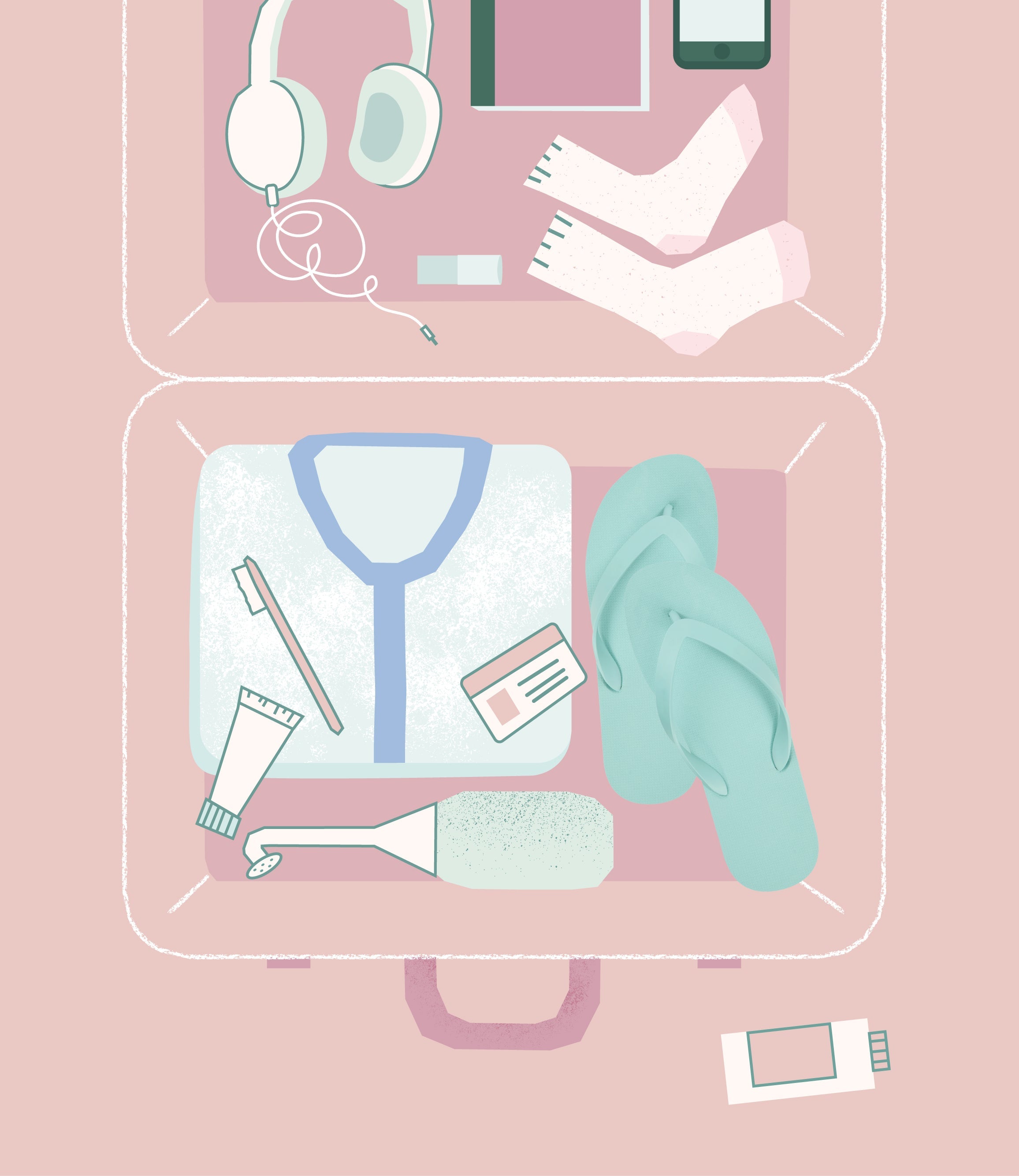
What belongs in your hospital bag for childbirth and what you're better off leaving at home
Get useful tips for your hospital bag and pack only what you really need.
Maternity nurse: When a baby is born, a mother is born too
Often, the mother's care after birth is neglected. In conversation with a maternity care worker.