


 Organic Baby Formula Original
 Follow-On Milk 6+
 Follow-on milk
 Organic Infant Formula from Whole Milk
 Follow-on Milk
 Organic Infant Formula from Goat's Milk
 Follow-On Milk
 Organic Bone Broth
 Beef
 For Moms
 Organic Energy Balls



Postpartum depression – treatable yet still a taboo subject
Postpartum depression is more common than you might think – yet the subject is hardly ever talked about. After all, a mother who has just experienced the absolute joy of childbirth is unlikely to admit that she is anything but happy. Giving birth is an existential experience. On top of that, there is a drastic hormonal shift, from the onset of milk production to returning to a monthly menstrual cycle. But external circumstances and everyday life also change fundamentally after birth. It is no wonder that things do not always go so smoothly and wonderfully. Postpartum depression needs to be addressed and understood.
|
An important note right off the bat: No one is to blame for postpartum depression. It is an illness that can have various physical and psychological, as well as external, causes. Postpartum depression is a form of depression and is highly treatable. It can occur in the first or second year after birth. The symptoms are no different from those of depression at other stages of life: low mood, loss of interest, anhedonia, or a lack of motivation. |
Mental health is so important, yet it is so rarely talked about. Of course, we know that exercise or healthy eating are important, and we think that mental health will just take care of itself – no way! We need to do something for our mental health too. That is why being mindful of yourself is worth its weight in gold. And if you notice that something is not going the way it should, you have every right to talk to your partner, friends, and experts about your worries. YOU MATTER!
We had a conversation with an experienced midwife and psychologist specializing in postpartum depression: Ms. Natalie Samimi.
Interview with expert Natalie Samimi: Postpartum depression is still a taboo subject
Hello Ms. Samimi, thank you very much for taking the time to speak with us. At Löwenzahn Organics, we want to talk about topics surrounding the postpartum period that are often dismissed with a “pull yourself together” attitude. That is why we have prepared a few questions for you as an expert on postpartum depression. Because we think it is so incredibly important to report on mothers’ mental health—and therefore women’s health.
Are actually many women affected by postpartum depression?
In the scientific literature, i.e. in meta-analyses, rates of 10% - 20% in women and 10% in men are reported. It is good to know: The biggest risk factor for a man developing postpartum depression is having a partner who suffers from it. However, we also do not know how high the number of undiagnosed cases is. This is because many women and also men do not dare to seek help. Yet that is exactly what is so important: Postpartum depression, also known as Postpartum Depression (PPD), is a disorder that can be treated effectively.
What does postpartum depression actually feel like?
Postpartum depression is a depression of varying severity. However, in postpartum depression, the issues of guilt and fear of failure come into play in connection with the feeling “I am a bad mother.” The mother worries about her child, but also about not being a good mother and failing as a partner.
In 50–70% of cases, the so-called baby blues occur after childbirth due to hormonal changes and roughly at the same time as the milk coming in. However, this should be over after about two weeks. If it is not, feelings such as persistent low mood or lack of motivation may also indicate postpartum depression.
“There are as many different forms of postpartum depression as there are women.”
Natalie Samimi
The symptoms are so varied, and there is no clear definition in science. The term postpartum depression also does not really fit postnatal depression, because it can occur in the first or second year after birth.
To find out whether it is postnatal depression, a self-report questionnaire is used. The Edinburgh Postnatal Depression Scale (EPDS) is widely recognized and frequently used, and I also use it in my practice. A woman can fill out the questionnaire at home.
However, I would also like to add that it is customary to conduct a general medical examination to determine whether it could be depression. Emotional states can also have purely physical causes. For example, thyroid function is checked. This is because a thyroid malfunction can disrupt the balance of hormones in the body.
What can a woman do if she fears she may be suffering from postpartum depression?
The first step is to talk to your partner. Of course, your midwife or gynecologist is also a good first point of contact. The difficulty lies in having the courage to identify postpartum depression as such and to talk about your fears and concerns.
Why are postpartum depressions perceived as a taboo subject?
Mental health disorders are simply subject to a taboo. It is considered improper to talk about mental difficulties. On top of that, motherhood is idealized. After all, being pregnant or being in the postpartum period is not an illness. That is when internal and external demands in the sense of “Pull yourself together” often come to light.
Mothers have to function. There is the expression “Rabenmutter,” which I only know from the German-speaking world. A mother who does not function the way society expects is branded a “Rabenmutter.” Mothers are constantly judged by others for their actions and deeds.
That is exactly what is misogynistic. In addition, women’s health is only slowly being discussed. Unfortunately, it was in the background for a long time, both among medical professionals and in research.
“There is still a lack of awareness in our society when it comes to mental health and, above all, women’s health.”
Natalie Samimi
What can partners, friends, and family do to help?
Social support is what women need after giving birth. A woman should feel supported and cared for. Being accompanied and heard helps build greater resilience.
Once, a man came to my practice and told me that his wife had sat motionless in front of the washing machine for over 10 minutes without moving or saying anything.
If a partner or friends notice that a mother may be struggling, they can talk to her. One possible approach is to tell the mother what you have observed without judging her. For example, you could say: “I’m worried about you because I’ve noticed the following… It is important to me that ....”
The difficulty is that many mothers put their own feelings aside after giving birth and hide their emotions. They often smile, but are desperate inside. They do not consider themselves important enough, and issues from their past that have not yet been processed may resurface. It is important for women to understand that there is nothing wrong with them. The time around childbirth is intense, and it can bring many inner feelings to the surface. Different feelings need time and space, as well as supportive guidance. Postpartum depression is an illness and can be treated.
What do you think needs to change?
Pregnant women often think only about childbirth and are then surprised and possibly overwhelmed by the situation after birth.
Too little is said about it. Neither on a social nor on a professional level are the mental challenges after birth, during the postpartum period, discussed appropriately.
It is important that professionals inform families early enough that postpartum depression is possible and highly treatable – and what they as families can look out for. By education, I by no means mean to cause panic here. There is already enough of that in prenatal care and birth preparation. It is much more about addressing the needs of women and educating them.
One possibility would be to include the topic of postpartum depression in the first child health check-ups.
The mental health of men after birth is also usually not considered at all. Men also have a proven hormonal change after birth and can feel just as overwhelmed by the new situation as the woman.
Thank you very much, Ms. Samimi, for the exciting conversation.
About Nathalie Samimi

Natalie Samimi is an experienced psychologist, systemic therapist, and counselor. Her practice is located in Berlin. She specializes in supporting people of all ages in crisis and decision-making situations. .
Where to find help
If you are now wondering what to do next—who you can turn to for support in your search—we have gathered a few links for you.
-
Directly to the source: Of course, you can also speak directly with Ms. Samimi, who has a practice in Berlin.
-
Meet like-minded people and experts: The association Schatten und Licht e.V. offers numerous support services for women with mental illnesses.
-
Take the test: The questionnaire based on the Edinburgh Postnatal Depression Scale (EPDS) is used to find out whether a depression may be present.
The postpartum period is a beautiful time of settling in and getting to know each other, but also a challenge, both physically and mentally. You are not alone with your feelings: 12 Things No One Told You About the Postpartum Period Beforehand.
Cover image: © www.studio-una.de
Related Articles

Experts share their knowledge in inspiring conversations, thoroughly researched and to the point.

Healing Birth Injuries: Perineal Tears and More
Perineal tears, vaginal tears, or abrasions in the intimate area – birth injuries happen! Tips from a midwife.
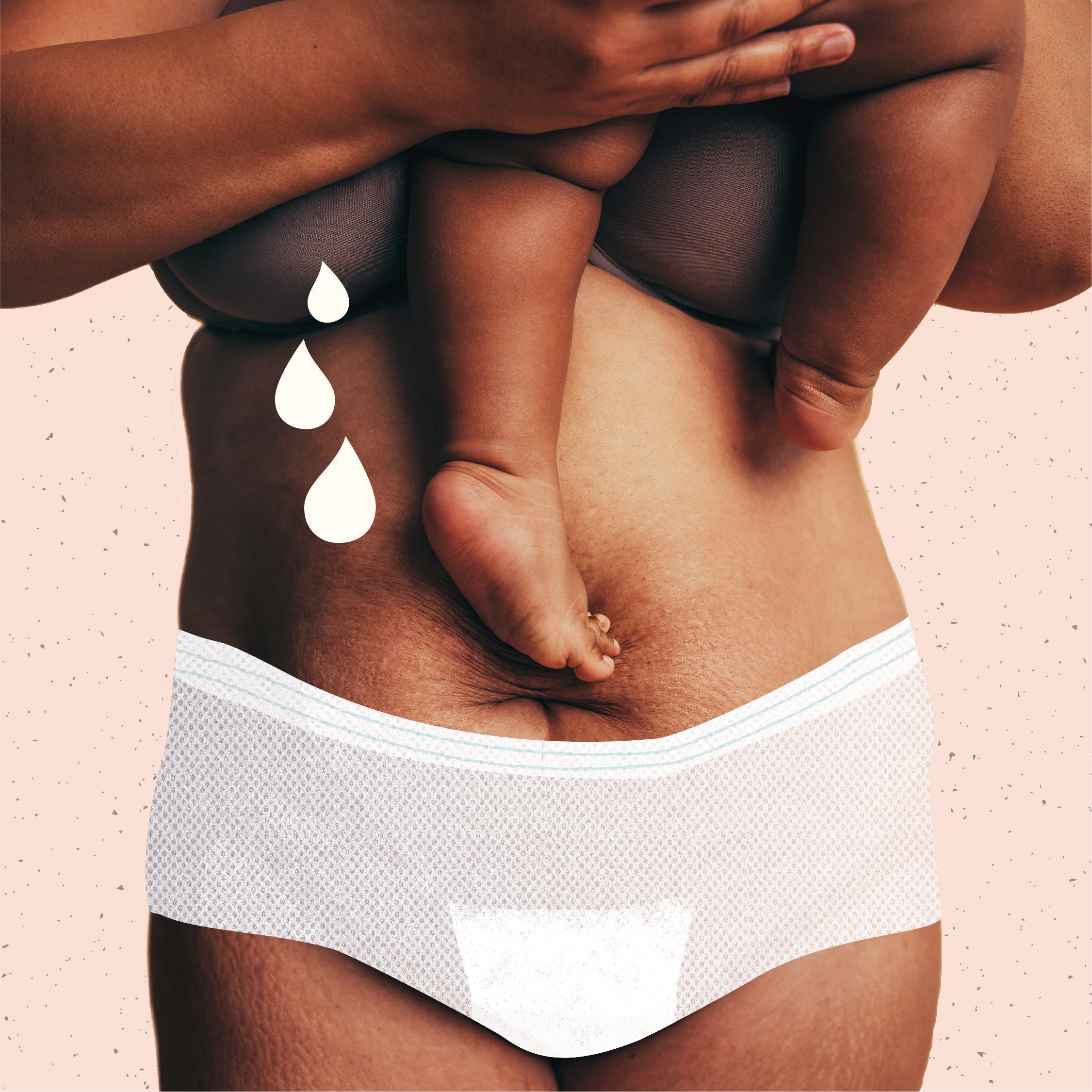
12 things no one told you before about postpartum
The magical, exhausting and simply unique time in the postpartum period is so incredibly important and unfortunately can often be neglected.


