Organic Baby Formula Original
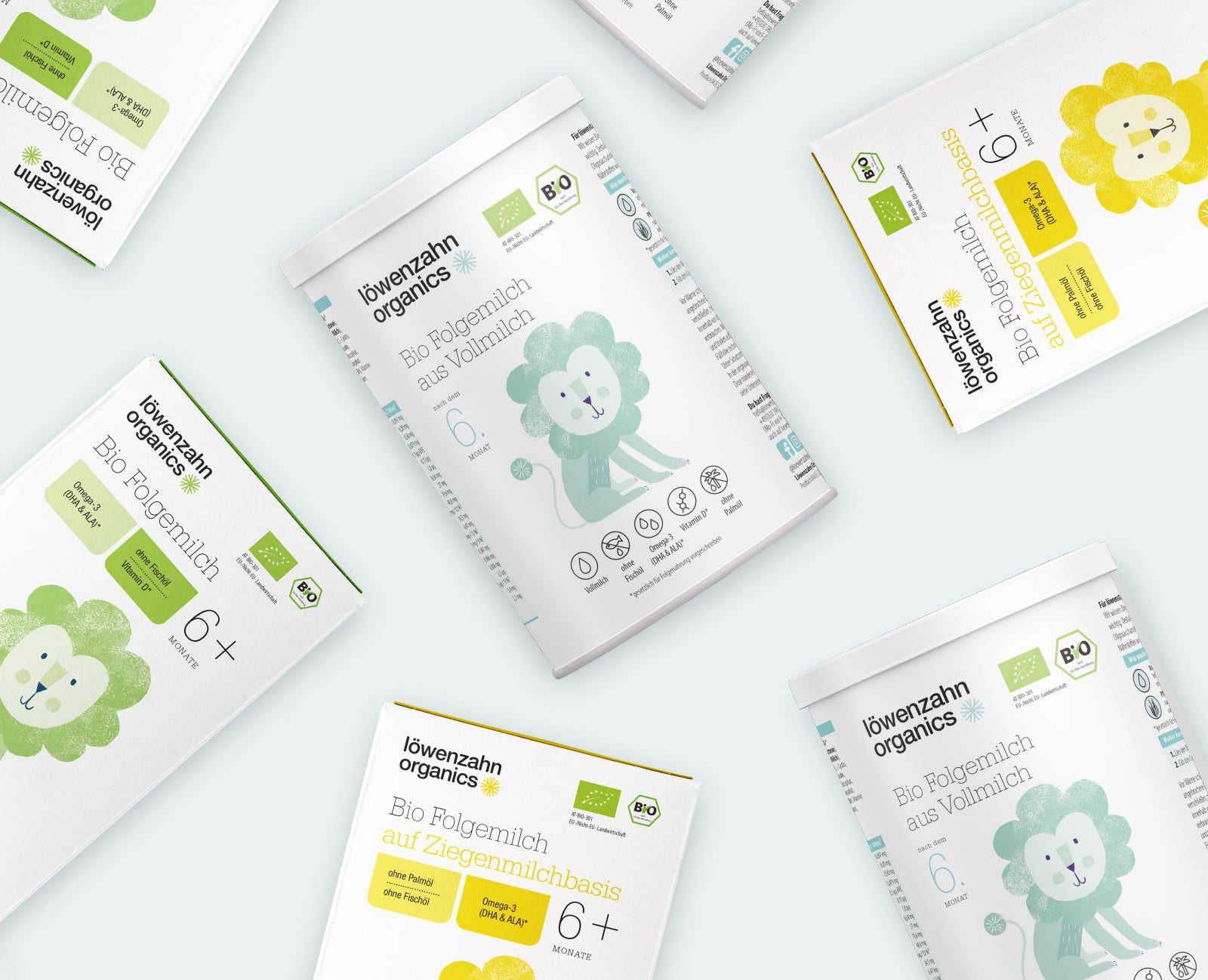
 Follow-On Milk 6+
 Follow-on milk
 Organic Infant Formula from Whole Milk
 Follow-on Milk
 Organic Infant Formula from Goat's Milk
 Follow-On Milk
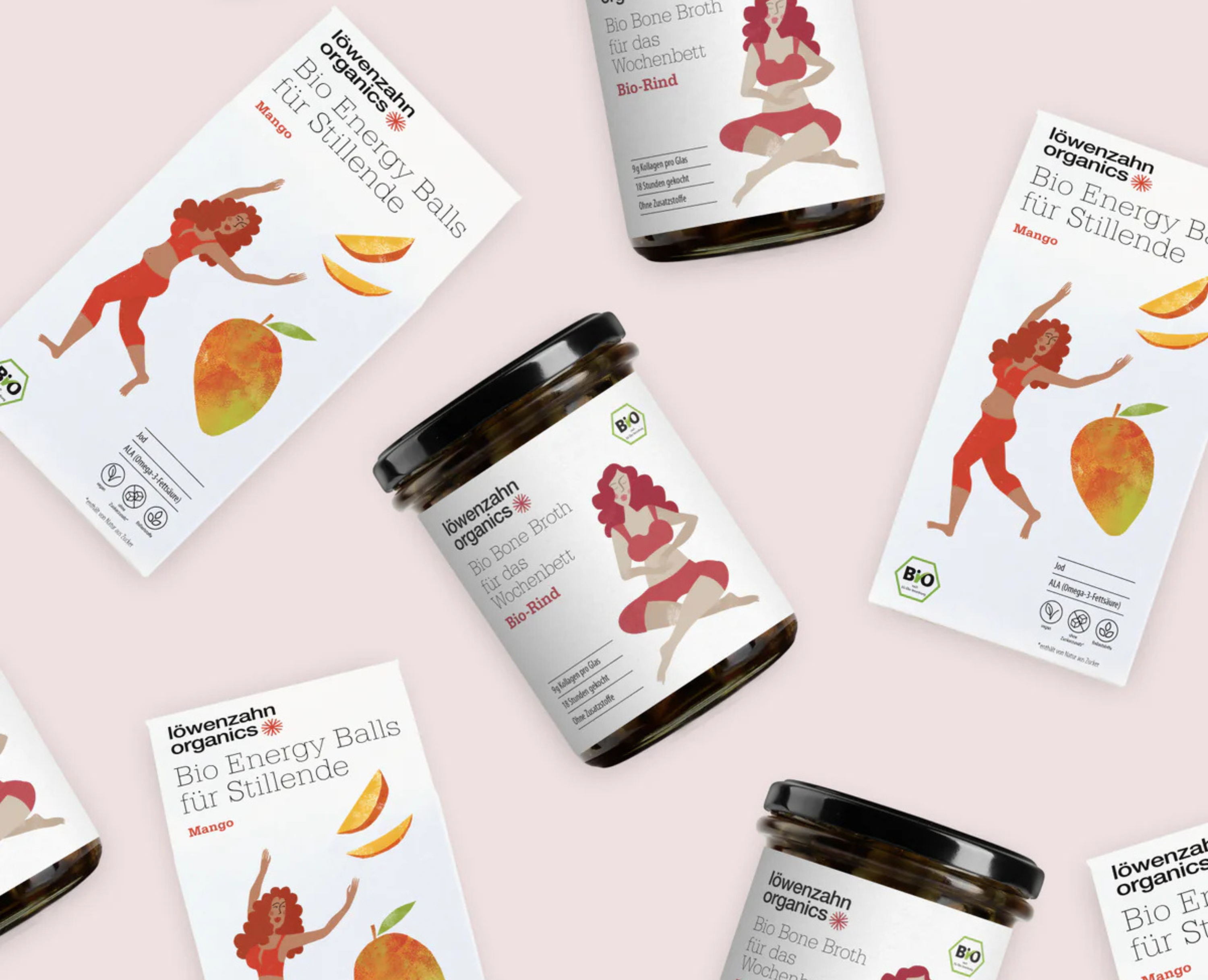
 Organic Bone Broth
 Beef
 For Moms
 Organic Energy Balls
 for nursing mothers



Fish Oil as a DHA Source for Babies: What Parents Should Know
The addition of docosahexaenoic acid (DHA) to infant formula is mandatory – and rightly so. But where do baby milk manufacturers get their DHA from? Fish oil is usually used as a source, because fish feed directly or indirectly on plankton or algae, which contain abundant DHA. Other manufacturers use the somewhat more expensive algae oil from special algae farms instead of fish oil. Why has fish oil, rather than algae oil, become the established standard, and what are the differences between the two?
Optional: a quick digression, or skip ahead a section.
What omega-3 fatty acids are there? And why is DHA so important?
Let's start from scratch. Omega-3 fatty acids are among the so-called polyunsaturated fatty acids. Three of them are particularly important for the human body: alpha-linolenic acid (ALA), docosahexaenoic acid (DHA), and eicosapentaenoic acid (EPA).
ALA is an essential fatty acid, meaning it cannot be produced by the body itself. DHA and EPA, on the other hand, can both be formed from ALA. However, babies in particular need to consume DHA in addition to ALA. The reason: their little bodies cannot yet produce the required amount themselves.
DHA is an important fat that is passed on to babies through breast milk and additionally or alternatively through follow-on baby formula with the addition of DHA. It contributes to brain development and supports the visual abilities of infants by enriching the retina. You can find out more about this in our blog post about LCPs.

End of Excursion...
The popularity of fish oil has a history
If we believe the story of fish oil, the supposedly healthy Greenlanders are to blame for the hype surrounding fish oil.
The knowledge that fish oil is healthy and serves as a source of omega-3 fatty acids comes from the findings of Danish researchers in the 70s. They discovered that the Inuit allegedly did not suffer from cardiovascular diseases.
This gave the researchers pause for thought, because the Inuit's very fatty diet of meat and fish, with little fruit and vegetables, seemed anything but balanced and healthy. They concluded that the fish oil, rich in omega-3, which is part of the Inuit's daily menu, must be responsible for the “healthy” Greenlanders.
Mind you: Just because the Greenlanders did not report cardiovascular diseases to the Danish researchers does not mean they did not have any. The result of the Danish researchers was later refuted. However, this did not break the hype surrounding fish oil.
Fish oil from fish farming or wild-capture fisheries?
Fish oil is obtained from fatty fish such as farmed or wild-caught sardines and anchovies. Fish farming falls under the category of conventional livestock farming. As feed, farmed fish are usually given fishmeal and fish oil. However, this meal and oil themselves often come from wild-caught fish.
Perhaps you can already guess what the next chapter is called?

Antibiotics, overfishing, and pollution in the ocean
Livestock farming is an economically profitable form of animal husbandry in which animals are kept in an artificial environment, often in confined spaces, instead of in their natural habitat. To prevent diseases, animals are often administered antibiotics as a preventive measure, among other things.
One of the many environmental problems we face today is the drastic overfishing of the world's oceans. Only a fraction of the fish catch is certified as sustainable by the Marine Stewardship Council (MSC). By feeding wild-caught fish to farmed fish, unsustainable fish farming does not seem to relieve the overfishing of the oceans.
Another problem is the pollution of the world's oceans with contaminants. Toxic substances have been dumped into the sea for decades, and humanity really has still not stopped. Mercury, PCBs, DDT, and dioxins float around in the sea and are absorbed by fish (as well as by the entire marine ecosystem) and stored in the fatty parts of the fish from which oil is extracted.
Clearly, fish oil shows drastic differences in quality. For example, the approximately 10% of global fish oil that ends up in the dietary supplement or pharmaceutical industry is of better quality than the 90% of fish oil that is fed to fish, cows, pigs, etc. in livestock farming.
“Check the packaging: Some baby formula manufacturers use fish oil, and only a few use algae oil as a DHA source.”
Löwenzahn Organics
WHO Notice: Breastfeeding is the best nutrition for your baby. The composition of breast milk always provides your baby with the ideal combination of nutrients and good protection against allergies and diseases. The WHO therefore recommends exclusive breastfeeding for 6 months and continuing to breastfeed after that in combination with age-appropriate and balanced complementary foods. Consult healthcare professionals (e.g., pediatrician, mother/father counseling service, midwife, lactation consultant) if your child needs supplementary food or if you cannot (sufficiently) breastfeed. The use of infant formula may affect breastfeeding success.
Is algae oil the future?
Algae oil, a source of the omega-3 fatty acid DHA, is grown in land-based cultivation tanks for microalgae under controlled conditions.
Do you still remember what cod liver oil tastes like? Cod liver oil is nothing more than a type of fish oil and, unsurprisingly, tastes like fish. Algae oil, on the other hand, is a plant-based oil with a completely different taste. Many describe it as slightly salty, but by no means unpleasant.
In the natural environment, algae are the original source of DHA, which is also found in fish oil. However, this means that DHA must travel from smaller fish to larger fish that eat them, before finally ending up on our plates. This raises the question: why do we have to go through all that trouble? Why not go straight to the source—algae?
Check the packaging
One of the reasons why the majority of baby food manufacturers still use fish oil is probably the price. After all, the prices for algae oil are higher than for fish oil.

You want the best for your baby. We strongly recommend taking the time to look at the ingredients list of baby food.
Key facts at a glance:
- DHA is an important omega-3 fatty acid for infants and is legally required in follow-on formula under EU standards.
- Fish oil is usually the source of DHA in follow-on baby formula.
- The source of DHA for fish is plankton, or rather algae.
- Algae oil is extracted from microalgae grown in cultivation tanks.
- Algae oil tastes better because it tastes salty but by no means fishy.
- Check the packaging: If manufacturers use algae oil, they state this on their packaging.
Read more
Learn more about why fats are so important for babies' diets.
Sources:
https://www.quarks.de/gesundheit/ernaehrung/omega-3-fettsaeuren/
https://worldoceanreview.com/wor-2/aquakultur/umweltbewusste-aquakultur/
https://www.wwf.de/themen-projekte/meere-kuesten/fischerei/nachhaltige-fischerei/aquakulturen
https://academic.oup.com/ajcn/article/78/3/640S/4690006
Related Articles

Changing baby milk – how, when, why?
When do you switch from initial "pre" milk to follow-on formula, i.e. to the next level? Or what do you do if your baby doesn't tolerate the current baby formula well and would like to switch?
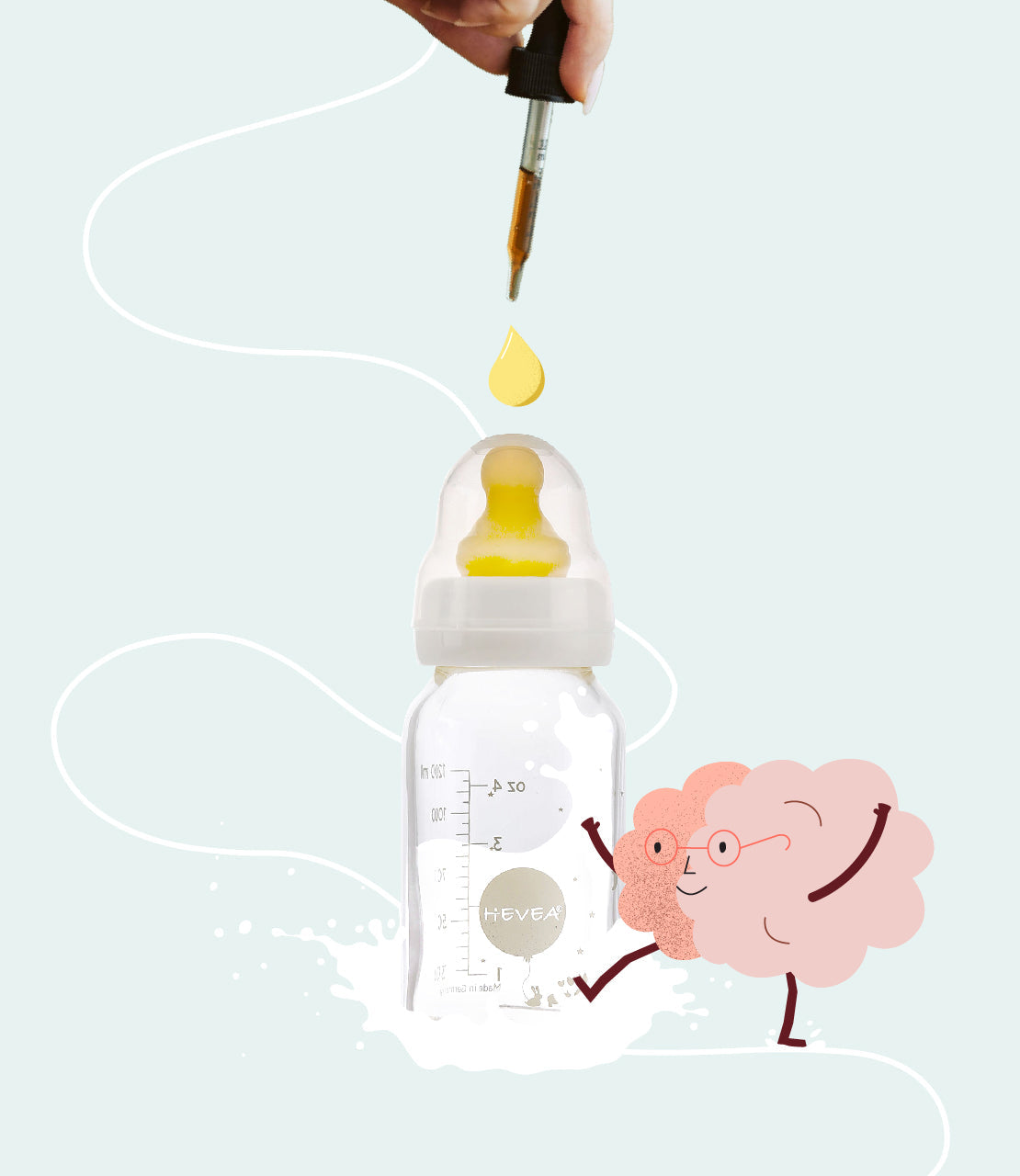
Why are LCPs like DHA and ARA so important in infant formula?
In short: It's about normal vision and brain development. What else should you know?

Pre, Starter, and Follow-on Formula: Which Baby Formula is Best and When?
Get an overview of the different types of baby formula