


 Organic Baby Formula Original
 Follow-On Milk 6+
 Follow-on milk
 Organic Infant Formula from Whole Milk
 Follow-on Milk
 Organic Infant Formula from Goat's Milk
 Follow-On Milk
 Organic Bone Broth
 Beef
 For Moms
 Organic Energy Balls



Dad's Guide for the Postpartum Period
Becoming a dad is quite an amazing challenge. And being a dad, actually holding your baby in your arms, turns out to be quite different from what you expected. But before it's your turn, the first few weeks after birth are all about the mom and your baby. And what do you do? You act as a bouncer to keep unwanted visitors away, manage the food supply, and take care of everything that the mom is physically and emotionally unable to handle during her postpartum recovery. So, right here and now, we want to talk about how you can contribute in the best possible way and discover your role as a dad.
Everything about the postpartum period
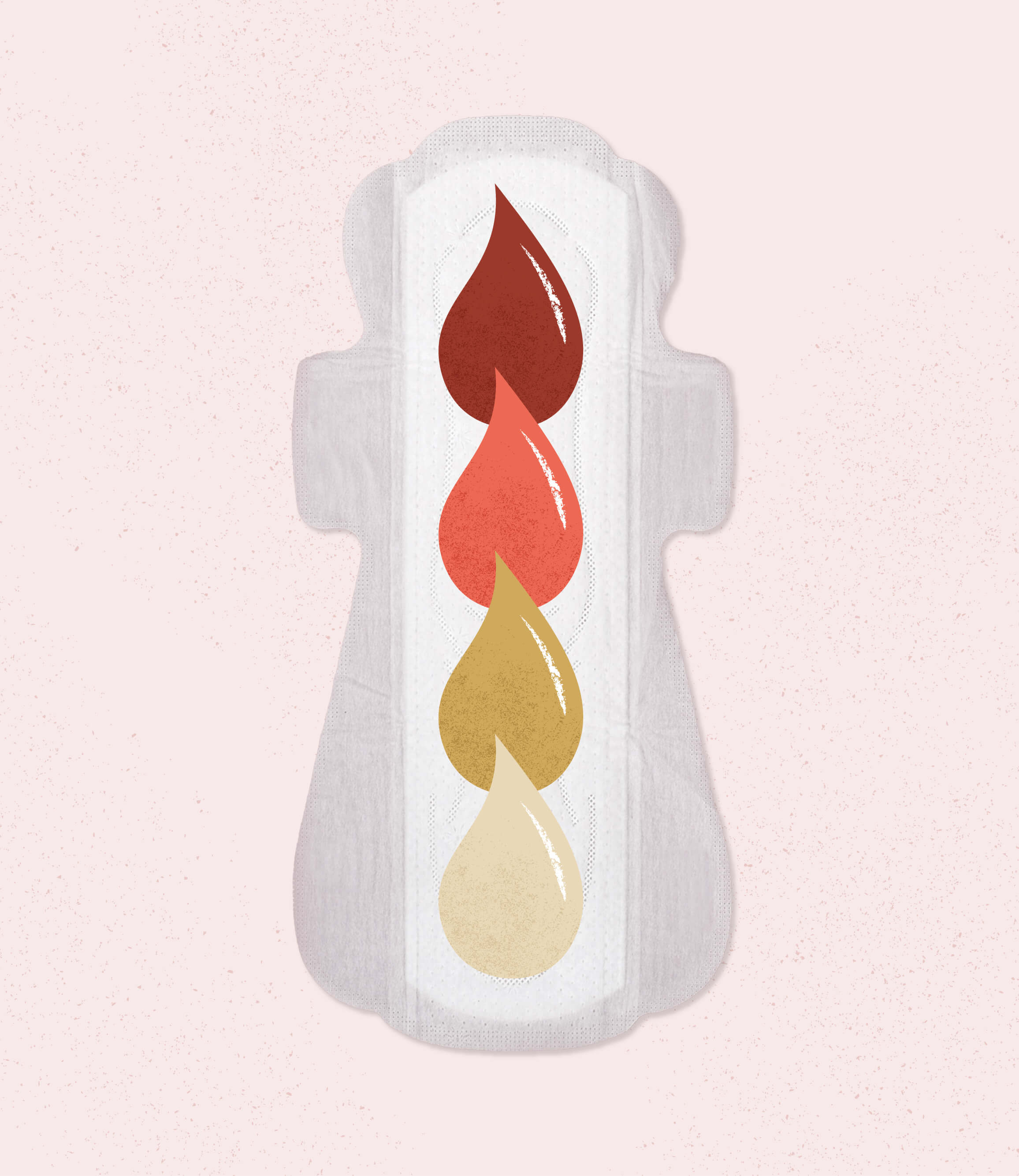
Taboo Lochia - It just keeps flowing and flowing and flowing
Every birthing person goes through this exciting phase, and yet no one talks about it?! What a shame. Our bodies perform true wonders. Let's go!
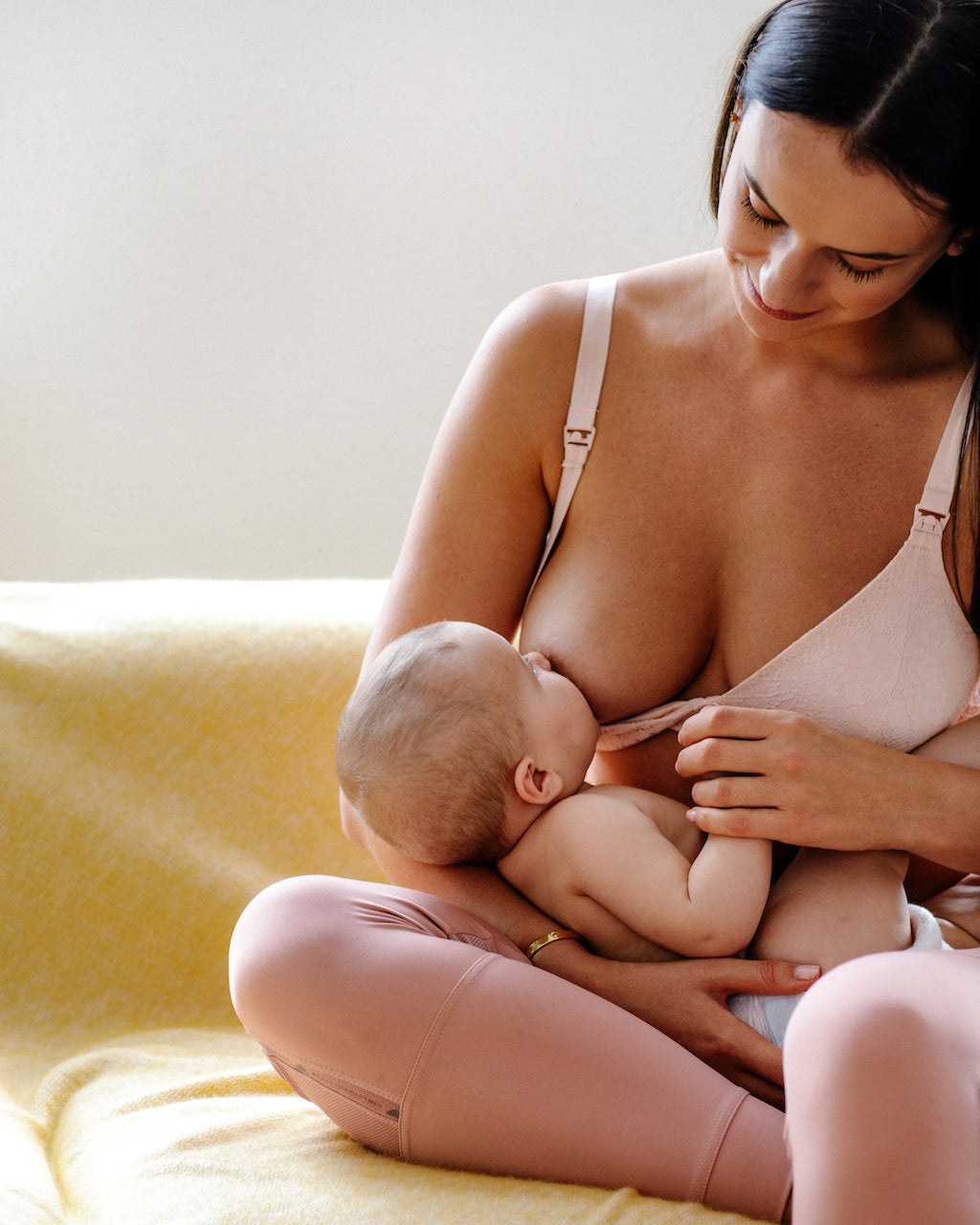
Loving Breastfeeding Relationship and Relaxed Breastfeeding Positions
Get to know the most popular breastfeeding positions and learn from a midwife which ones, for example, can be particularly good after a C-section.
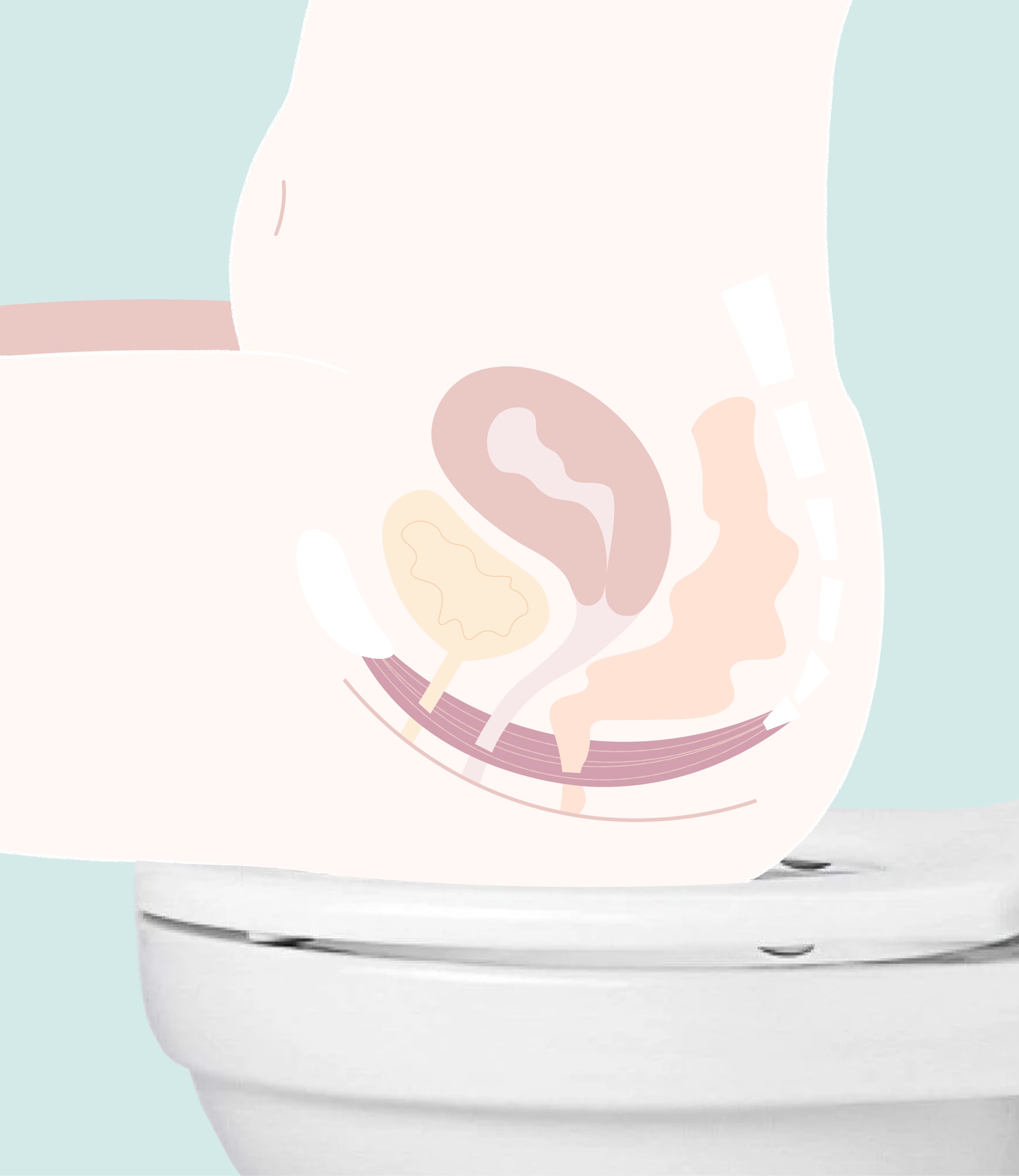
Ultimately, it's never too early or too late to start pelvic floor training. In an interview with a CANTIENICA® trainer.
For moms and dads—for you—a birth is an existential and beautiful experience. Before you settle into your little family life, it’s first about getting through the first few weeks after the birth.
Show them understanding
Your partner in particular has a lot to come to terms with after birth. The postpartum period is a time of adjustment for her – physically and emotionally.
First, she needs to recover from the exhausting birth and get used to always having a person with all their needs with her from now on.
Then her body may still be injured. Her pelvic floor is too weak for prolonged sitting and standing, and she is not allowed to lift heavy weights either. She may have other birth injuries, a cesarean section behind her, and further pain.
In addition, the strong mood swings are due to the fact that her hormones first have to settle again. Pregnancy hormones are broken down and the milk coming in is triggered by completely different hormones.
Then breastfeeding is also not something that always works immediately. By the way, a midwife, a lactation consultant, or a gynecologist can provide you with more information about breastfeeding concepts and alternatives to breastfeeding from the breast. Alternatively, baby formula can be a solution for you and your baby.
Take some time off
Valuable tip: Save your annual leave for the weeks after the birth or apply for parental leave so that you can be there for your baby's mother and your baby during the postpartum period. Check the legal requirements beforehand and find out how flexibly you can take time off, because babies rarely stick to schedules.
Looking forward to a break after the postpartum period can also do you good. Why not schedule a few days off for the time after those delicate weeks and go on vacation together with your partner and baby.
Be more lenient than usual
During the postpartum period, mothers undergo hormonal changes. That is why it is important to be a little more patient than usual. Simply hold her more often and show understanding.
Also actively ask how you can help her. Can you take over some of her tasks? Suggest a little break from baby duties and let her go for a walk with a friend, or you can take the baby out of the house for a short stroll.

Play bouncer
Such a little baby is simply adorable, and of course your friends and family will want to come by. However, visitors can take a lot of energy away from mother and baby during the postpartum period—energy that would actually be important for healing from birth injuries and for your newborn. That is why it is your responsibility to coordinate with your partner how many visitors you want to have and whether you want to have any at all, and also to say “no” to visitors who suddenly show up at the door. You take charge of communicating with family and friends.
Organize meals and run the household
A great tip is to cook food for the first few days after the birth and then freeze it. During the first few days, the three of you will probably spend so much time together that it will be helpful to only have to defrost food. Breastfeeding also takes a huge amount of energy, which is why breastfeeding is often compared to competitive sports. If you haven't frozen anything and cooking isn't your thing, you can also order food. Think in advance about how you want to supply yourselves with food.
It is also best to talk about what needs to be done around the house and what order and cleanliness mean to you. Your partner will not be able to help you with the housework in the first few weeks after the birth, but will want to feel comfortable at home.
Tackle paperwork & more
The paperwork won't stop just because you're in the postpartum period. Take care of it. This point actually fits perfectly with the topic of a doorman. Whether it's the property management, the health insurance company, or your mother-in-law/your mother calling, try to primarily allow your partner some peace and quiet and protect her from messages. Also something you can discuss before the birth.

Discover dad bonding for you
Exactly: bonding with dad. Bonding refers to the intense, emotional relationship between the newborn and another person. Primarily, there is an intense bond with the mother. The baby was in her womb for nine months and therefore knows her voice. Her scent is also familiar, as she is probably the one who feeds the baby.
So you have to actively do something to establish an intense bond between you and your newborn.
What you can do: At the beginning, be there as often as possible when your partner is breastfeeding your baby. This way, your baby can get to know you in this intimate situation. If you also bottle-feed your baby, take on the task of feeding as well. Lots of cuddling is also wonderful, preferably skin-to-skin, bathing, and talking a lot while doing so.
By strengthening the bond with dad, you can also allow your partner to take a break.
Embrace the role of Dad
The time after birth is an enormous adjustment for both of you, you and your partner. Just as the mother has to discover her role as a mother, you too have to discover your role as a father.
A huge opportunity to get to know yourself completely anew and to grow. It's not about doing everything right. Of course you'll make mistakes at the beginning, which you'll learn from. Find out for yourself what feels good and when something is too much for you. Ask for help when you don't know what to do anymore. No father is perfect, and no one expects that of you either.
And two more points that simply must be included in this guide for dads
Couples stay together after birth
When everything revolves around the baby, there is often no room left for the couple's relationship. That is perfectly okay. After all, you are no longer just the two of you, but three or four or more. You haven't just had a baby, you have also taken on new roles.
This does not mean that your relationship and sex life are no longer important. We spoke with a couples therapist about how you can become parents and remain a couple .
Do not underestimate postpartum depression in fathers
Due to hormonal changes, mothers may experience what is known as the baby blues. This should clear up after two weeks. If low mood and lack of motivation do not disappear, it could be a postpartum depression , which also affects fathers and the mother's entire support network. And here is the important point: Men can also develop postpartum depression. Especially in cases where the woman suffers from postnatal depression, it is highly likely that the man will also suffer from postpartum depression. It is important to ask for help and not to try to keep the topic of depression within the family. You will need professional help.
Dad, congratulations on this new chapter in life! In our magazine, there is another article we would like to warmly recommend to you: Being Parents, Staying a Couple.
Sources:
AOK on postpartum depression
Elternleben: Processing the Birth
Related Articles
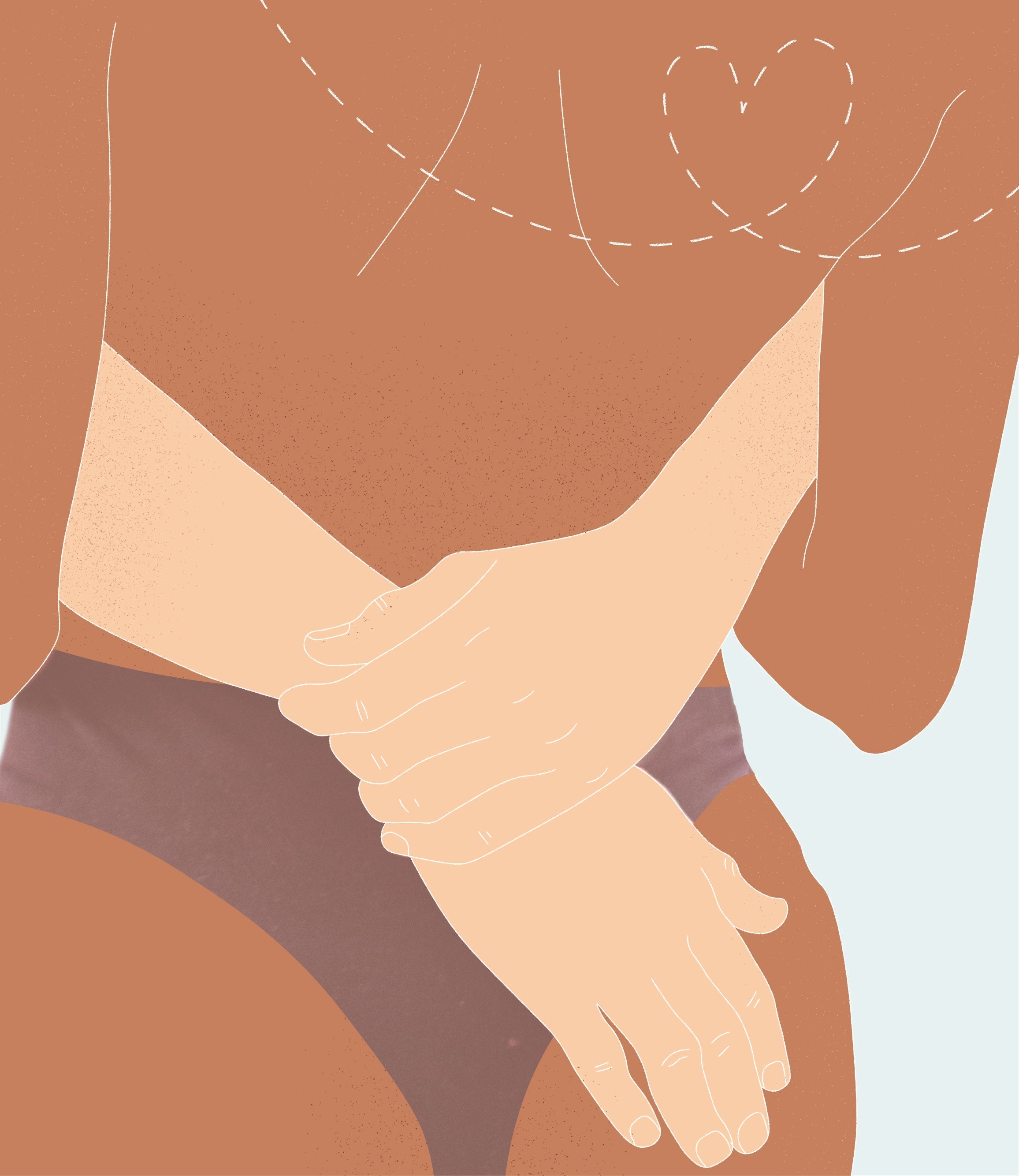
Often, the desire for sex is missing after childbirth. In our interview, we reveal how you can bring desire back into your everyday life.
Being Parents and Staying a Couple – An Interview with a Couple's Therapist
It's not uncommon to hear young parents say: I would never give up my child, but I didn't imagine life as a mother (or father) would be like this.
12 things no one told you before about postpartum
The magical, exhausting and simply unique time in the postpartum period is so incredibly important and unfortunately can often be neglected.


