Organic Baby Formula Original
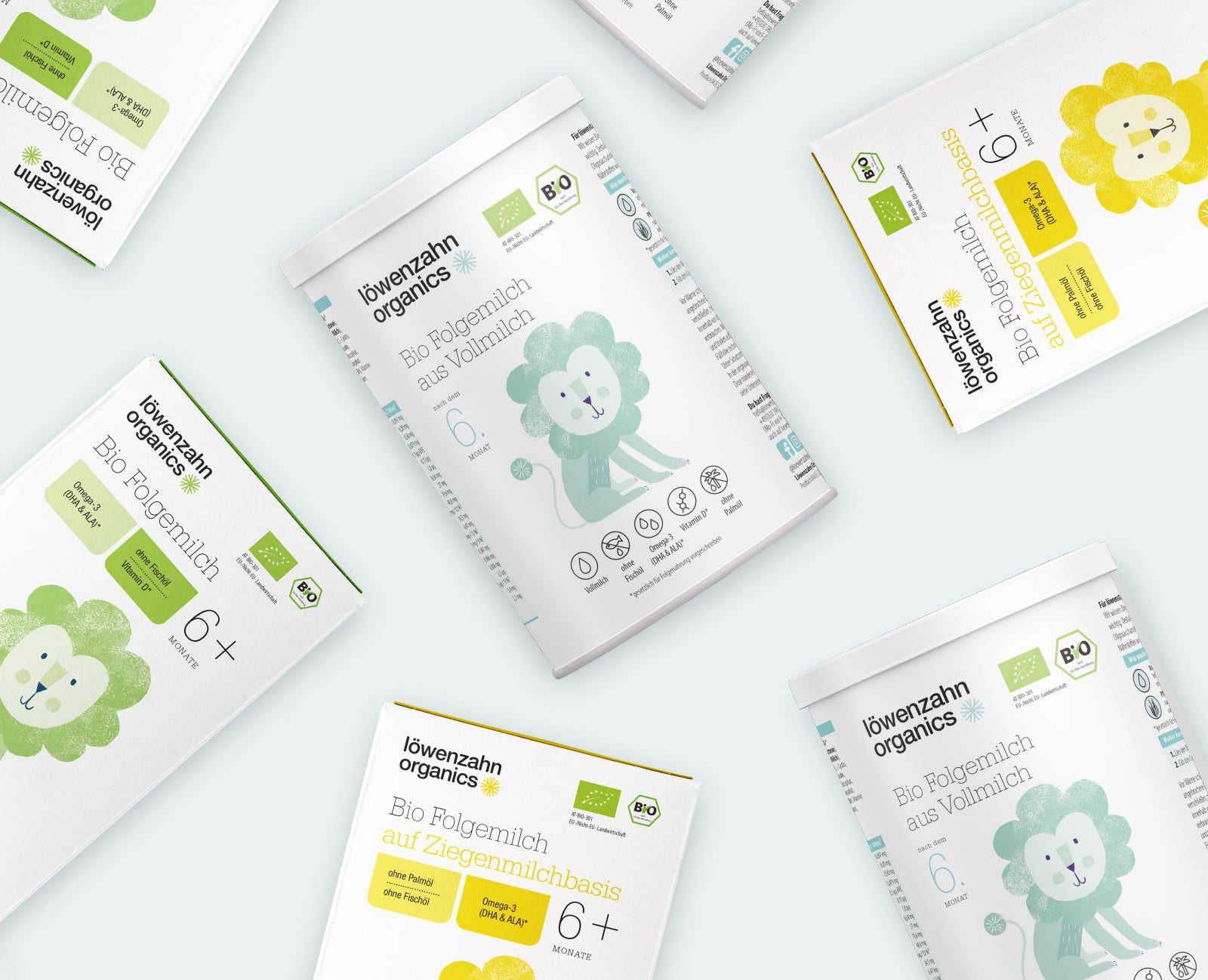
 Follow-On Milk 6+
 Follow-on milk
 Organic Infant Formula from Whole Milk
 Follow-on Milk
 Organic Infant Formula from Goat's Milk
 Follow-On Milk
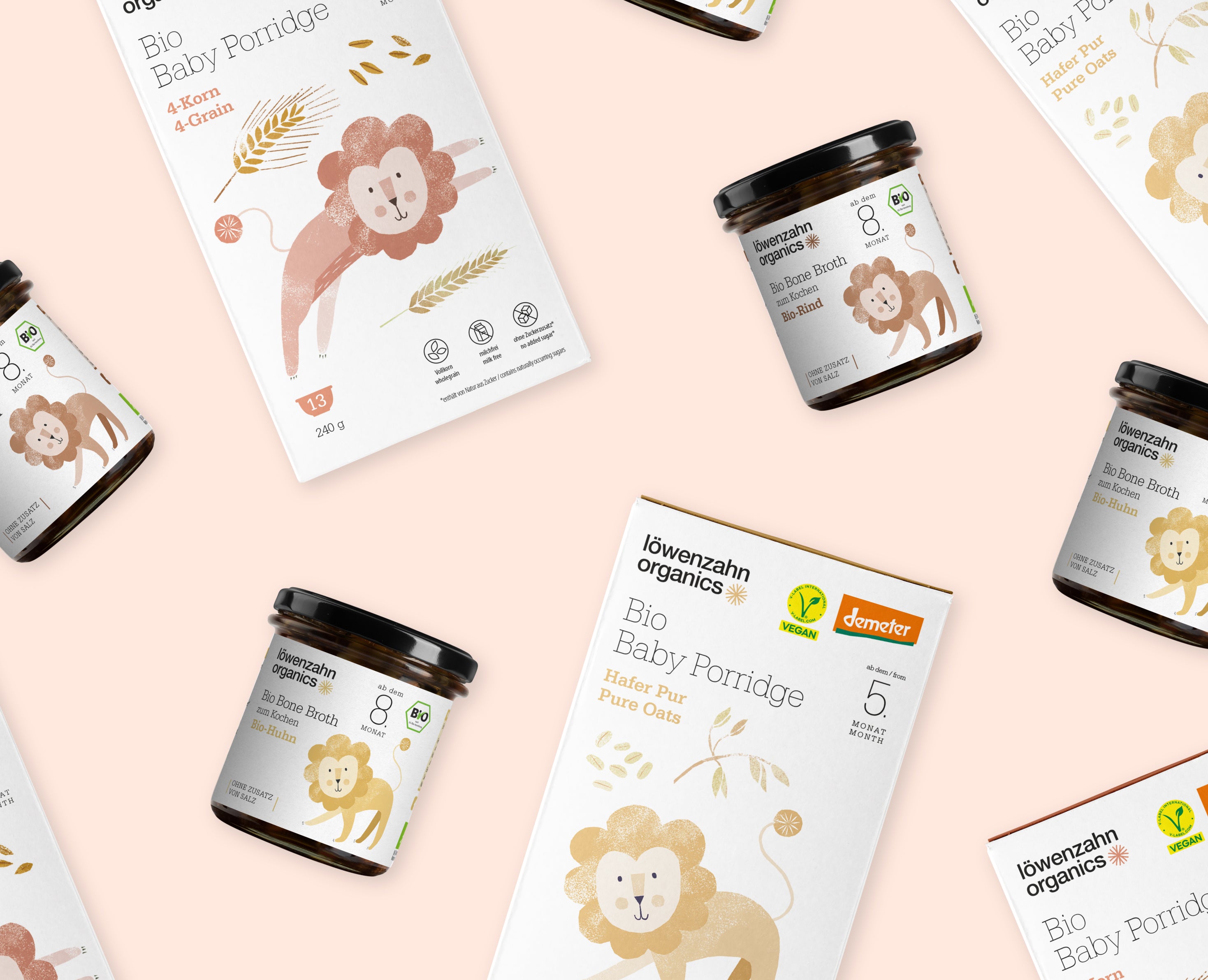
 Organic Bone Broth
 Beef
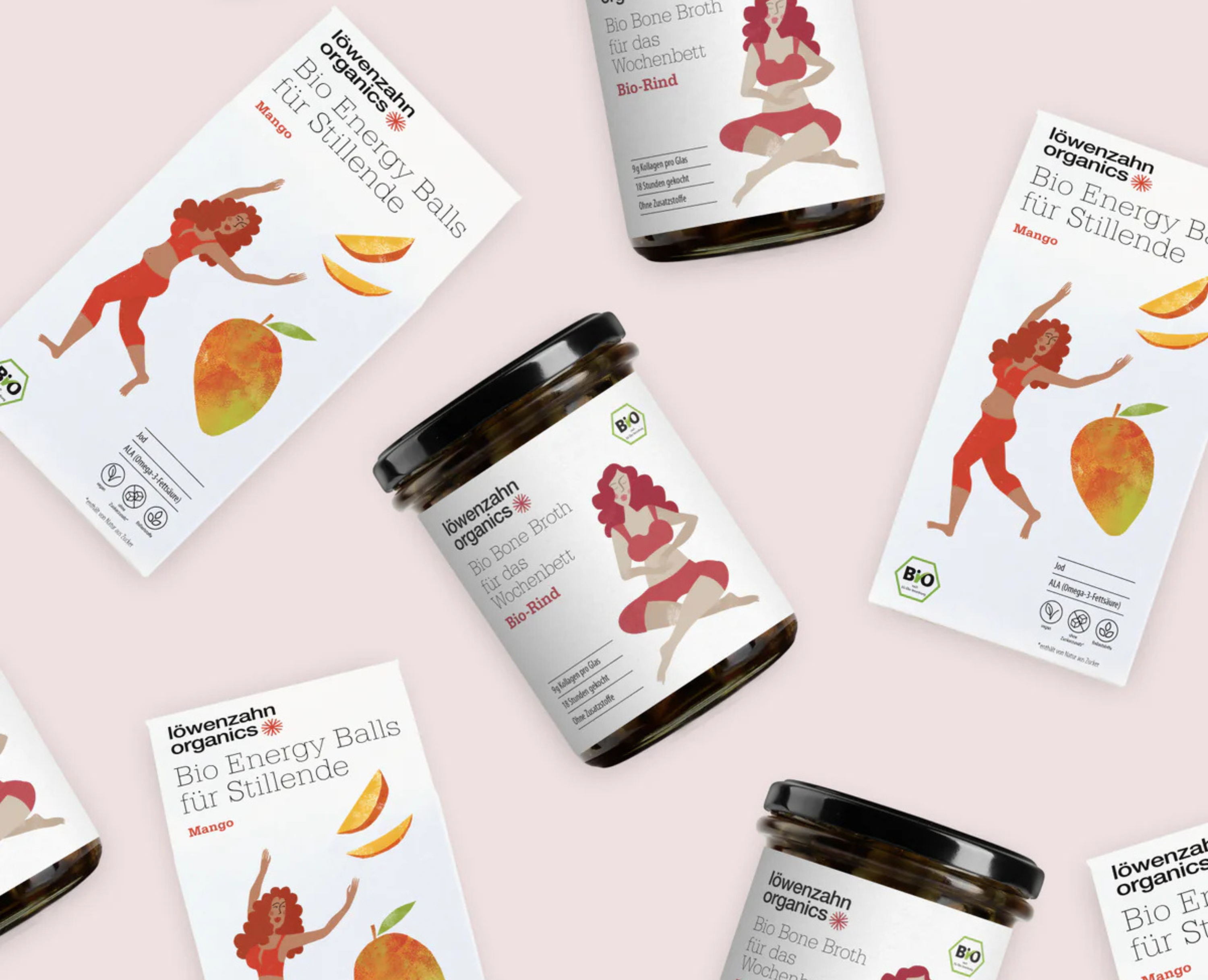
 For Moms
 Organic Energy Balls


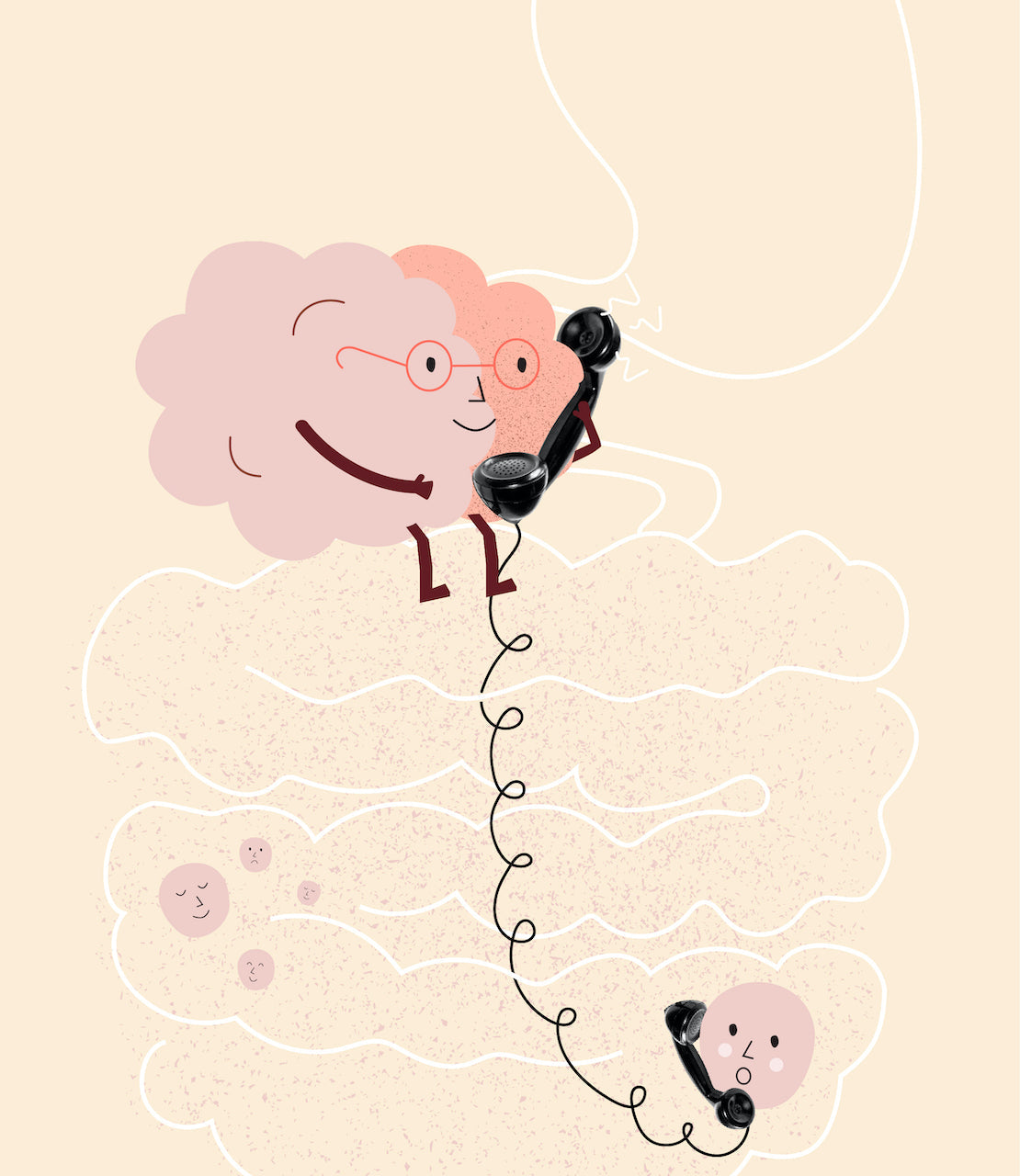
Baby's intestines and its wondrous inhabitants: the intestinal flora
The intestine is an often underestimated organ. The normal development of the intestine and the intestinal flora, or rather its inhabitants, is crucial for babies and also your physical and mental health. No wonder that the European Union has invested almost 9 million euros in research funding into studies on the influence of the microbiome (also called intestinal flora) on energy balance and brain development (MyNewGut project). But that's only on the sidelines. We will cover baby's microbiome, its role in digestion, the immune system and the influence of gut bacteria on baby's brain, the so-called gut-brain axis. At the end of the post we have also summarized for you how a baby's intestinal flora is built up. So it will be exciting.
First of all, an important note before you hopefully devour this article with pleasure: Your baby will grow up with your love and all your efforts. No matter how hard you try, you will never really be able to control every single tiny inhabitant of the gut, no one really can.
Microorganisms – around, on and in the body
Bacteria are simply everywhere. But not just bacteria: fungi, yeasts and countless other microorganisms also form complex microbial communities.
They live around, on and in us: on door handles, ballpoint pens, slides and swings, but also on the skin, in the digestive tract, in the respiratory tract, in the genital area and also in the breast milk of mothers. There are “bad” bacteria that make us sick, but also millions of “good” ones. The “good” ones help us and also your baby’s body stay or become healthy and happy.
Interestingly, by far the largest concentration of bacteria in the human body is in the gut, more precisely in the large intestine: more than 90%. Around 100 trillion bacteria live here and form the intestinal flora or microbiome. That’s right, 100 trillion—that’s quite a few zeros, to be exact, 12 zeros. The composition of the gut inhabitants, or bacterial strains, is as individual as a fingerprint.

Because throughout our lives, we and our little babies come into contact with different people and things, and with their microorganisms.
The individual microbiome develops in the first four years of life and then remains relatively stable according to current research findings. In a normally healthy person, significantly more “good” bacteria live there, around 85%, and only around 15% “bad” bacteria.
Functions: Digestion, immune defense, and communication with the brain
One of the useful functions of the gut is digestion, and thus the absorption of nutrients. Without the help of the bacteria in the gut, vitamins, minerals, and amino acids would not pass so easily from the mashed food pulp through the intestinal mucosa into the blood and the rest of the body. Okay, baby food is usually already mushy, or liquid before it reaches the stomach, but it is broken down even further by the body before it reaches the small intestine. The gut microbiome also protects us from infections, i.e., diseases. This is because immune cells are essentially trained in the gut. Thus, bacteria play an important role in babies and our immune defenses. If good bacteria in the gut are destroyed, it can happen that the immune defenses suffer or are not formed.

Ever heard of the happiness hormone serotonin? It is produced in the gut 90% of the time and passed on to the brain. This is one reason why the influence of gut bacteria on depression is being researched: communication from the gut to the brain.
In babies, both are still developing. But that is precisely why, according to current research, supporting the development of the gut microbiota with a healthy diet is recommended.
Side note on prebiotics in Folge baby formula: A brief look at the two beneficial bacteria, bifidobacteria and lactobacilli, which live in the gut flora. You may have even heard of them before, as they are quite popular in the human gut. In order for the two bacterial strains to do their job, they need the right food. They get this, for example, through prebiotics such as GOS. It is best to check the packaging and ingredients list of Folge baby formula to find out whether GOS are included.
Gut-Brain Axis Communication
As a mom or dad, you’re probably fully aware of how closely the gut and brain are connected. Together, they are responsible for an infant’s very first emotional world. Your baby loves being full, is distressed when hungry, and fussy when gassy. A baby’s sense of self is deeply rooted in the gut and brain.

However, not all information is passed from the gut to the brain. Not every unchewed crumb has anything to say in the brain. There is information that the gut processes itself. However, if something happens in the gut that the brain should know about, this information is transmitted to the brain via the vagus nerve and must also pass the brain's bouncer, the thalamus. Only then does the information reach babies or our consciousness. Such information that gets through comes, for example, from the pain and vomiting center – “Attention, it’s about to happen, where is the toilet?” Or simply: “Help, Mom, Dad, don’t leave me alone!”
Stress is an example of communication in the other direction. When the body is under stress, it needs more energy, which it also gets from the gut. The gut scales back its tasks to help the brain. However, this negatively affects the digestive process, which is why, for example, diarrhea can occur, and so on.
“No pressure, no rushing at mealtimes. Because in babies, the brain develops in tandem with the gut brain”
Giulia Enders. Intestine with charm.
There is extensive research on the gut-brain axis, as well as on hypotheses about the gut's influence on the cognitive and overall health development of infants and young children. In recent years, much research on this topic has been conducted in the United States and Europe. (At the end of the article, you will find an overview of interesting studies.)
How the gut flora develops
Another fascinating question is how a baby's microbiome develops. Keep in mind that it takes the body about four years to establish a stable microbial community. No matter how much you want the best for your baby, be aware that you cannot determine every type of bacteria in your baby's gut flora. This becomes even clearer in this section.
Pregnancy
In the past, it was assumed that fetuses were completely sterile and that babies only came into contact with their first bacteria during childbirth. However, this has now been disproven. Apparently, a few bacteria can even reach the fetus during pregnancy from the father through skin contact with the mother. Of course, microbes in and on Mom's body also play a role: what she eats, how much stress she has, and so on.
Birth
In a vaginal birth, a baby receives the ideal mix of intestinal and vaginal microbes from its mother and later possibly also bacteria from breast milk. In the past, these important bacteria were washed off directly. But it’s okay to be a little “dirty.” Ideally, the baby is placed on the mother’s skin in the first hours after birth without being scrubbed extra clean.
Babies born by cesarean section miss out on this mix of bacteria. This does not mean, however, that they receive no bacteria at all after birth. After all, the people who hold the baby after birth are not free from bacteria. In addition, there are hospital bacteria, regardless of whether it is a cesarean section or a vaginal birth.
To compensate for the potential bacterial disadvantage of a cesarean birth, there are procedures such as “vaginal seeding” or a “bacterial bath,” in which a swab of the mother’s vaginal fluid is administered to the baby while still in the hospital. Other methods use a mixture of the mother’s intestinal bacteria mixed with breast milk. Which method is best and whether they are useful at all is hotly debated in scientific circles. What is important here is that the mother is healthy and that there are no streptococci or similar dangerous bacteria in the vagina or intestines.
Even if the baby misses out on the mother’s bacterial shower, it has four years to develop a healthy microbiome through environmental influences and age-appropriate nutrition.
Breastfeeding and baby bottles
Of course, breast milk is the best form of nutrition for babies. Countless studies show that it contains all the nutrients as well as bacteria that babies need for normal development.
Even so, you don't need to worry if you don't breastfeed your baby. The growth of "good" bacteria in a baby's microbiome can also be supported with formula.
Diet has a strong influence on the bacterial composition in the gut. This is also evident in the stool. The color in the diaper varies significantly in color due to the bacteria contained in the formula – but that is surely not new to you.
Cuddling
Cuddling is also an environmental factor that affects the microbiome. Through important cuddle time with Mom and Dad, babies receive numerous valuable bacteria. Therefore: Cuddle-free! Enjoy this magical early time together.
Our tip: Learn about the ingredients in baby food.
And don't forget one thing amidst all the information: You're doing great!
WHO note: Breastfeeding is the best nutrition for your baby. The composition of breast milk always offers your baby the ideal combination of nutrients and good protection against allergies and diseases. The WHO therefore recommends exclusive breastfeeding for 6 months and continuing to breastfeed after that in combination with age-appropriate and balanced complementary foods. Consult healthcare professionals (e.g., pediatrician, mother/father counseling service, midwife, lactation consultant) if your child needs supplementary food or if you cannot (sufficiently) breastfeed. The use of infant formula may affect breastfeeding success.
Studies
EUFIC: The impact of the gut microbiota on physical and mental health. Link
National Library of Medicine: Study on the effect of early childhood intervention with bifidobacteria on the fecal microbiota and metabolome of healthy infants. Link
German Federal Institute for Risk Assessment: Opinion on the health benefits of infant formula and follow-on formula with added "probiotics". Link
Science Translational Medicine: The gut microbiota affects the permeability of the blood-brain barrier in mice. Link
Cell: Maternal fecal microbiota transplantation in infants born by cesarean section rapidly restores normal gut microbiome development. Link
Related Articles
Into the bowl: Bone broth for your baby
We've received another addition to our product range: Organic Bone Broth can support and promote gut health through its naturally occurring collagen.

Baby Poop – unfortunately not always mustard yellow and creamy
The composition of baby's poop can tell you a lot. We're talking color, smell, consistency and frequency.
Why are prebiotics important in infant formula?
Let's talk about milk.